Helping Kids Love Math in Kindergarten
As parents and educators, we often find ourselves reflecting on the way we introduce our children to the world around them.
One of the most vital subjects they will encounter is mathematics, a language that shapes our understanding of the universe.
However, many children approach math with apprehension or disinterest. The good news is that fostering a love for math in kindergarten can be a joyful and engaging experience. By creating a nurturing environment and incorporating playful methods, we can help our little ones embrace numbers and shapes with enthusiasm.
Creating a warm and inviting atmosphere is essential for young learners. When children feel safe and valued, they are more likely to explore new concepts with curiosity. One way to achieve this is by integrating math into everyday activities. Simple tasks like counting apples while grocery shopping or measuring ingredients while baking can transform mundane chores into exciting math adventures. These moments allow children to see the practical applications of math, making it feel relevant and fun.
Storytime can become a delightful avenue for mathematical exploration. Many children’s books incorporate counting, shapes, and patterns in their narratives. By selecting stories that emphasize these concepts, you can engage your child’s imagination while subtly introducing them to math. For instance, reading a tale about animals gathering for a picnic can lead to discussions about addition and subtraction, as you count how many animals are present or how many sandwiches they might need. This approach not only enhances their literacy skills but also reinforces their understanding of mathematical ideas in a familiar context.
A small shift toward balance can also make a significant difference in how children perceive math. Instead of focusing solely on right or wrong answers, encourage a growth mindset where mistakes are viewed as opportunities for learning. Celebrate the effort they put into solving a problem, regardless of the outcome. This gentle approach helps children develop resilience and a positive attitude toward challenges, making them more likely to engage with math in the future.
Incorporating games into math learning can spark joy and excitement. Simple board games that involve counting spaces or card games that require number recognition can provide a playful foundation for mathematical skills. Create your own math games tailored to your child’s interests, such as a treasure hunt where they have to solve simple math problems to find clues. These activities not only reinforce essential skills but also create lasting memories of learning through play.
Hands-on activities can also be incredibly effective in fostering a love for math. Using everyday objects like blocks, buttons, or even nature items such as leaves and stones can make abstract concepts tangible. Encourage your child to sort, group, and count these items, allowing them to explore patterns and relationships in a tactile way. When children can physically manipulate objects, they gain a deeper understanding of mathematical principles, making the learning experience both enjoyable and meaningful.
Emphasizing the beauty of math can shift a child’s perspective from viewing it as a chore to seeing it as a fascinating puzzle. Introduce them to the concept of symmetry through art projects, where they can create patterns and designs. Discuss shapes found in nature, like the circular form of a flower or the angular lines of a tree branch. By connecting math to the world around them, you can help children appreciate its elegance and relevance in their lives.
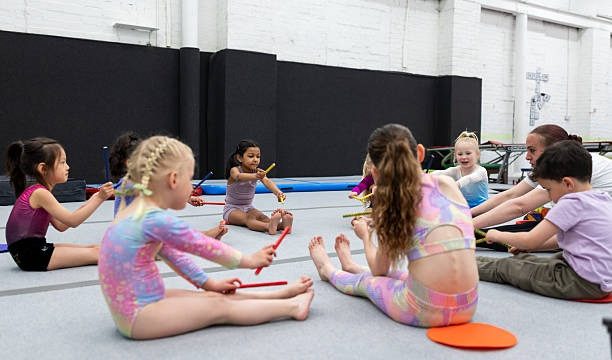
Encouraging collaboration can also enhance a child’s love for math. Set aside time for group activities where children can work together to solve problems or create projects. This not only builds their social skills but also allows them to learn from one another. When children share ideas and strategies, they begin to see math as a collective journey rather than an isolated task. This sense of community can foster a positive emotional connection to math, making it feel more approachable and enjoyable.
As children grow, introducing technology can be a valuable tool in their math learning journey. There are numerous educational apps and online games that make learning math interactive and exciting. These resources often incorporate bright visuals and engaging characters that capture children’s attention. While technology should complement traditional learning methods, it can serve as a modern bridge to understanding mathematical concepts.
Regularly reflecting on your approach to math can help ensure that the learning experience remains positive and engaging. Take note of your child’s interests and adapt your methods accordingly. If they show a fascination with space, explore math through astronomy by counting stars or measuring distances between planets. By aligning math with their passions, you can create a rich learning experience that feels both relevant and stimulating.
Above all, nurturing a love for math in kindergarten is about fostering a sense of wonder and curiosity. Encourage your child to ask questions and explore their ideas. When they feel empowered to seek answers, they develop critical thinking skills that extend far beyond math. Celebrate their discoveries, no matter how small, and remind them that learning is a lifelong journey filled with exploration and joy.
In conclusion, helping kids love math in kindergarten is a rewarding endeavor that can set the stage for their future academic success. By creating a nurturing environment, integrating math into everyday experiences, and fostering a positive mindset, we can transform the way children perceive this essential subject. Through play, exploration, and connection to the world around them, we can inspire a lifelong love of learning that will carry them through their educational journey and beyond. The seeds we plant today will blossom into a confident and enthusiastic approach to math in the years to come.