Building Social Skills in Kindergarten
As children take their first steps into the world of kindergarten, they embark on an exciting journey filled with new experiences, friendships, and learning opportunities.
While academic skills are undoubtedly important, the development of social skills is equally vital during this formative stage.
Social skills help children navigate their relationships, express their feelings, and understand the nuances of communication. In this article, we’ll explore how parents and educators can foster social skills in kindergarteners, creating a nurturing environment where young learners can thrive.
A gentle introduction to interaction
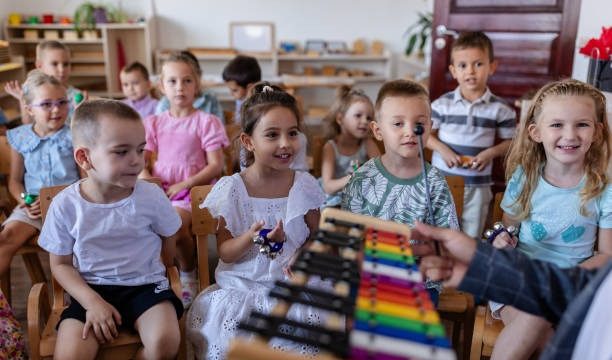
Kindergarten is often the first time children are immersed in a group setting outside of their families. This transition can be both thrilling and daunting. To ease this shift, it’s essential to introduce children to the concept of social interaction in a gentle and supportive manner. Simple activities, such as cooperative games or group storytelling, can encourage children to engage with their peers. These interactions allow them to practice sharing, taking turns, and listening—fundamental components of effective communication.
Creating a safe space for expression
In order for children to develop their social skills, they need to feel safe and secure in their environment. A kindergarten classroom that fosters a sense of belonging encourages children to express themselves freely. Teachers and caregivers can create this atmosphere by establishing ground rules that promote kindness and respect. Encouraging children to share their thoughts and feelings, whether through sharing circles or art projects, can help them learn to articulate their emotions and understand those of others.
The power of play
Play is an essential part of childhood, and it serves as a powerful tool for building social skills. Through play, children learn to navigate relationships, develop empathy, and understand social cues. Unstructured playtime allows children to interact organically, while guided play activities can provide opportunities for practicing specific skills. Whether it’s role-playing different scenarios or participating in team-building exercises, play can be a fun and effective way to enhance social development.
Encouraging teamwork
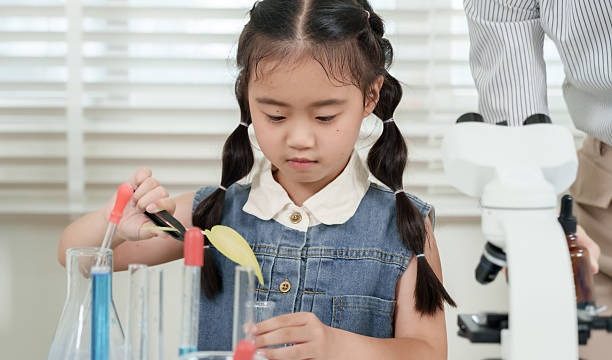
Learning to work collaboratively is a cornerstone of social interaction. Kindergarten offers numerous opportunities for children to engage in teamwork, whether through group projects, collaborative art activities, or cooperative games. These experiences teach children how to communicate their ideas, negotiate differences, and celebrate each other’s contributions. By emphasizing the importance of teamwork, educators can help children appreciate the value of working together toward a common goal.
Modeling positive interactions
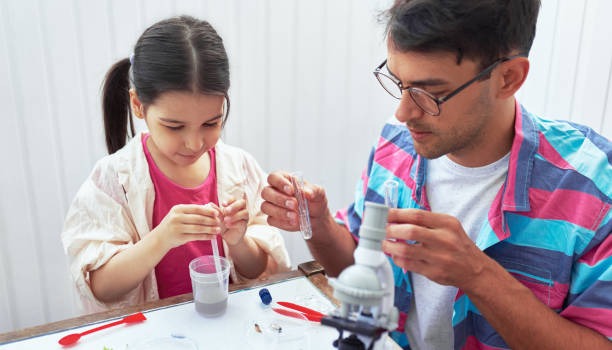
Children often learn by observing the adults in their lives. Parents and educators play a crucial role in modeling positive social interactions. Demonstrating effective communication, active listening, and conflict resolution can provide children with valuable examples to emulate. When they witness adults navigating social situations with kindness and respect, they are more likely to adopt similar behaviors. Engaging in conversations with children about social dynamics can also deepen their understanding and awareness of interpersonal relationships.
Fostering empathy
Empathy is a fundamental social skill that allows individuals to connect with others on a deeper level. In kindergarten, fostering empathy can be approached through storytelling and discussions that encourage children to consider different perspectives. Reading books that highlight diverse experiences can spark conversations about feelings and encourage children to express compassion for others. Activities that involve caring for classroom pets or participating in community service projects can also help instill a sense of empathy and responsibility.
Navigating conflicts
Conflict is a natural part of human interaction, and learning to navigate disagreements is an essential social skill. Kindergarten provides a unique opportunity for children to experience and resolve conflicts in a safe environment. Educators can guide children through conflict resolution strategies, teaching them to express their feelings, listen to others, and seek solutions together. By equipping children with these tools, they can learn to handle disagreements constructively, fostering healthier relationships in the long run.
Celebrating diversity
Kindergarten classrooms are often filled with children from different backgrounds and cultures. Embracing this diversity can enrich the social learning experience. Educators can create an inclusive environment by incorporating multicultural activities and discussions that celebrate various traditions and perspectives. Encouraging children to share their own experiences can foster an appreciation for differences and help them develop a sense of belonging within a diverse community.
Encouraging communication skills
Effective communication is at the heart of social interaction. In kindergarten, children can practice their verbal and non-verbal communication skills through various activities. Storytelling, sharing experiences, and engaging in group discussions can help children articulate their thoughts and feelings. Additionally, activities that involve role-playing or dramatization can enhance their ability to express themselves confidently. By providing ample opportunities for communication, educators can help children develop strong interpersonal skills.
Creating lasting friendships
As children build their social skills, they also begin to form friendships that can last a lifetime. Encouraging positive interactions among peers is essential for fostering these connections. Teachers can facilitate playdates and group activities that allow children to bond over shared interests. Celebrating friendships in the classroom, whether through friendship-themed projects or recognition of supportive behaviors, can reinforce the importance of building and maintaining relationships.
The importance of patience
Building social skills is a gradual process that requires patience and understanding from both parents and educators. Each child develops at their own pace, and it’s essential to celebrate small victories along the way. Encouraging children to take risks in their social interactions, while also providing guidance and support, can help them grow in confidence. By nurturing their social development with love and encouragement, we can help children cultivate meaningful connections that will serve them throughout their lives.
As kindergarteners embark on this exciting journey, fostering social skills becomes a crucial aspect of their growth. By creating a supportive environment that encourages interaction, empathy, and communication, we can help young learners develop the social skills they need to navigate the world around them. In doing so, we set the foundation for positive relationships and a brighter future.