Making Learning Fun for Young Children
In a world that seems to be spinning faster every day, finding ways to engage young children in learning can sometimes feel like a monumental task.
Yet, the beauty of early education lies in its potential to be both joyful and enriching.
When we infuse learning with a sense of play, we create an environment where curiosity flourishes and imaginations soar. Let’s explore some gentle approaches to making learning fun for the little ones in our lives.
Every child is a natural learner, with an innate desire to understand the world around them. This curiosity can be harnessed through playful activities that spark interest and enjoyment. The key is to create experiences that feel less like traditional education and more like delightful adventures. Simple changes in our approach can transform everyday moments into captivating learning opportunities.
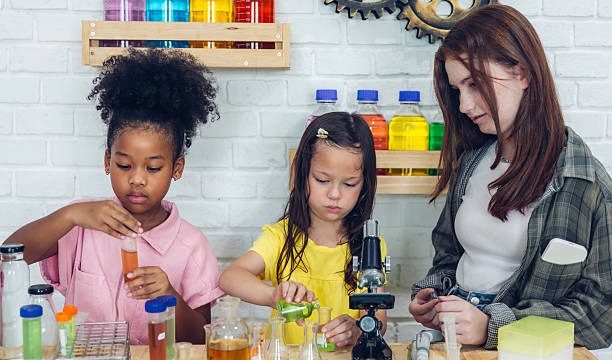
One effective way to make learning fun is to incorporate play into daily routines. For instance, cooking together can become a rich learning experience. As children measure ingredients, they engage with concepts of math and science. They can learn about different textures, colors, and even the science behind how heat changes food. The kitchen transforms into a laboratory of exploration, where each meal is a chance to discover something new.
Similarly, outdoor activities can be a treasure trove of learning moments. Nature walks offer a wonderful opportunity to observe and discuss the environment. Children can collect leaves, rocks, or flowers, turning a simple stroll into a hands-on science lesson. By asking open-ended questions like, “What colors do you see?” or “What does this leaf feel like?” we encourage them to think critically and express their observations.
The power of storytelling is another enchanting way to engage young minds. Reading together not only builds language skills but also fosters imagination. Choose books that resonate with their interests, and don’t hesitate to let them take the lead. Encourage them to ask questions about the story or predict what might happen next. This interactive approach not only enhances comprehension but also deepens their emotional connection to the narrative.
Crafting offers another delightful avenue for learning. Simple art projects can introduce concepts of shape, color, and spatial awareness. It’s less about the final product and more about the process of creation. Allowing children to express themselves through art nurtures their creativity and gives them a sense of accomplishment. It’s important to celebrate their efforts, regardless of the outcome. This reinforces the idea that the act of learning itself is a valuable experience.
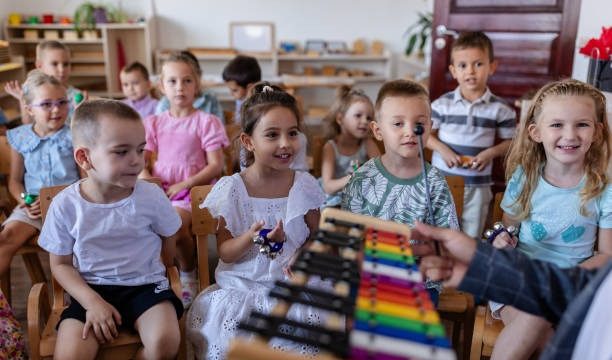
Music is yet another joyful medium through which children can learn. Singing songs and playing instruments can enhance language development and improve memory. Rhymes and melodies make it easier for young minds to absorb new vocabulary and concepts. Encourage them to create their own songs or rhythms, turning simple lyrics into a fun learning game. The joy of music can make lessons feel effortless and engaging.
While technology often gets a bad rap, it can also be a valuable tool for learning when used mindfully. Educational apps and interactive games can reinforce skills in a playful format. The key is moderation and ensuring that screen time is balanced with physical activity and face-to-face interactions. When used wisely, technology can enhance learning experiences rather than overshadow them.
A small shift toward balance in our approach to learning can also be beneficial. Instead of focusing solely on academics, consider the importance of social and emotional development. Activities that promote teamwork, empathy, and problem-solving can be woven into playtime. Building a fort together or participating in group games encourages cooperation and communication. These social interactions are just as crucial as traditional learning, equipping children with skills they will carry into adulthood.
Creating a nurturing environment at home can further support a love of learning. Designate a cozy reading nook filled with books and art supplies. Encourage exploration and curiosity by providing a variety of materials and resources. This space should feel safe and inviting, allowing children to express themselves freely. When they know they have a supportive environment, they are more likely to take risks and explore new ideas.
As parents and caregivers, it’s also essential to model a love for learning. Share your own interests and passions with children, whether it’s gardening, cooking, or a new hobby. Letting them see your enthusiasm can inspire them to embrace their own learning journeys. Discussing what you discover or learn can make the experience feel collaborative, reinforcing the idea that learning is a lifelong adventure.
Incorporating mindfulness into learning can also be a gentle way to engage children. Simple breathing exercises or moments of quiet reflection can help them develop focus and self-awareness. Encouraging children to be present in the moment allows them to absorb information more deeply and appreciate the learning process.
Ultimately, making learning fun for young children is about embracing their natural curiosity and creativity. By shifting our perspective and incorporating playful elements into everyday activities, we can create a rich tapestry of experiences that foster a love for learning. It’s about nurturing their interests, celebrating their efforts, and allowing them to explore the world with wonder.
As we guide children through their early years, let us remember that the goal is not just to impart knowledge but to instill a lifelong passion for discovery. With patience, creativity, and a sprinkle of joy, we can make learning an enjoyable journey for every child. In doing so, we lay the foundation for a bright and curious future, filled with endless possibilities.