In a world that thrives on continuous change and innovation, the value of lifelong learning is becoming increasingly recognized.
This journey towards knowledge doesn’t start in adulthood; it begins in the early years of life, particularly in preschool.
Creative activities during this formative time can ignite a spark of curiosity that lasts a lifetime.
The beauty of preschool lies in its ability to blend play with learning seamlessly. Children are naturally curious, and by harnessing that inquisitiveness through creative activities, we can nurture a love for learning that will grow alongside them. Engaging preschoolers in imaginative play not only fosters their cognitive development but also encourages emotional and social growth.
A gentle introduction to exploration
One of the most effective ways to encourage lifelong learning is to create an environment where exploration is not just welcomed but celebrated. Simple activities like creating art with various materials can open up a world of possibilities. When children are given the freedom to experiment with colors, textures, and shapes, they learn to express themselves and think critically about their choices.
For instance, providing a variety of art supplies—paints, crayons, clay, and even recycled materials—invites children to explore their creativity. As they engage in these activities, they develop fine motor skills and learn to make decisions. More importantly, they begin to understand that learning is a process filled with discovery, rather than a destination with strict right or wrong answers.
The power of storytelling
Storytelling is another magical tool in the preschool learning toolbox. When children listen to stories, they are transported to different worlds, sparking their imagination and expanding their vocabulary. Encouraging them to create their own stories or act them out helps reinforce their understanding of narrative structure, character development, and emotional expression.
Incorporating storytelling into daily routines can be as simple as sharing a book during circle time or encouraging children to narrate their day’s adventures. This not only enhances language skills but also fosters empathy and understanding as they learn to see the world through different perspectives.
Nature as a classroom
Nature provides an endless source of inspiration and learning opportunities. Taking children outside to explore their surroundings can be a transformative experience. Whether it’s a simple walk in the park or a day spent in the garden, outdoor activities stimulate curiosity and wonder.
Activities like collecting leaves, observing insects, or planting seeds can teach children about biology, ecosystems, and the importance of caring for the environment. These hands-on experiences encourage them to ask questions and seek answers, laying the groundwork for scientific exploration in the future.
Connecting through play
Play is often seen as the primary vehicle for learning in preschool. It is through play that children learn to interact with others, solve problems, and navigate social situations. Incorporating creative play into the curriculum fosters collaboration and teamwork, essential skills for lifelong learning.
Imaginative play, where children take on different roles or create scenarios, allows them to experiment with social dynamics and develop emotional intelligence. Building blocks, dress-up clothes, and role-playing games provide opportunities for them to express themselves and learn from one another in a safe environment.
Cultivating curiosity
Encouraging curiosity can be as simple as being responsive to a child’s questions. When a child asks “why?” or “how?”, instead of providing a quick answer, take the time to explore the topic together. This not only validates their curiosity but also teaches them that seeking knowledge is a valuable endeavor.
Creating a culture of inquiry can be enhanced through activities like science experiments or cooking projects, where children can observe cause and effect in real-time. These experiences not only captivate their attention but also provide a foundation for critical thinking skills that will serve them well throughout their lives.
The joy of music and movement
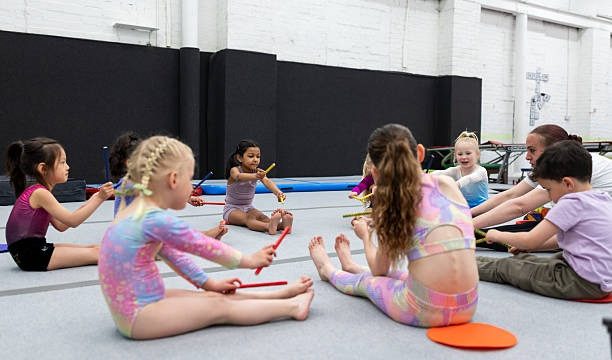
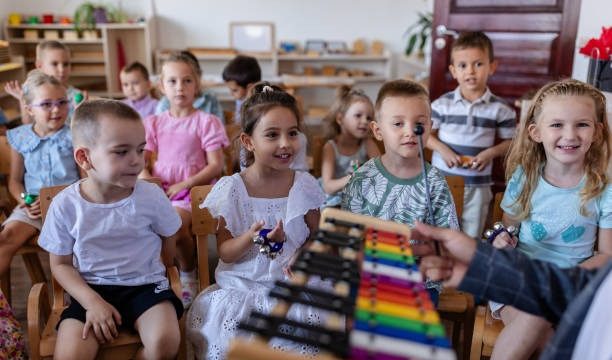
Music and movement are vital components of a well-rounded preschool experience. They not only enhance physical development but also stimulate cognitive and emotional growth. Singing songs, dancing, and playing musical instruments can introduce children to rhythm, patterns, and even basic math concepts in a playful way.
Furthermore, music has a unique ability to connect with emotions, allowing children to express feelings and experiences that might be difficult to articulate. Incorporating movement into learning activities can also help children release energy and focus better, creating a balanced approach to education.
Building a supportive community
Creating an atmosphere where learning is encouraged extends beyond the classroom. Involving families and the wider community in preschool activities can foster a sense of belonging and support. Workshops, family events, and community projects can bridge the gap between home and school, reinforcing the idea that learning is a continuous journey.
When parents and caregivers participate in their children’s education, it enhances their understanding of the importance of lifelong learning. This partnership lays the groundwork for children to feel valued and supported, encouraging them to pursue knowledge and exploration throughout their lives.
Embracing the journey
Ultimately, encouraging lifelong learning through creative preschool activities is about embracing the journey rather than focusing solely on outcomes. By providing children with opportunities to explore, create, and engage with the world around them, we cultivate a sense of wonder and a desire to learn that will accompany them through all stages of life.
As we nurture their creativity and curiosity, we empower them to be lifelong learners, ready to face the challenges of an ever-changing world. In doing so, we not only enrich their lives but also contribute to a brighter future for everyone.
Through the lens of creativity, we can encourage our youngest learners to embrace knowledge, explore possibilities, and develop a passion for learning that will last a lifetime. The seeds of curiosity planted in preschool can blossom into a lifelong journey of discovery, growth, and fulfillment.