Music has an extraordinary ability to connect people, especially young learners who are just beginning to explore the world around them.
Combining music with movement creates a dynamic environment for children to express themselves, develop motor skills, and enhance their cognitive abilities.
By incorporating fun music and movement games into playtime, caregivers can foster a love for rhythm, creativity, and physical activity in children.
A gentle introduction to rhythm
Rhythm is fundamental to all music, and it’s a wonderful way for young children to engage with sound while moving their bodies. Simple clapping games can be a fantastic way to introduce rhythm. Gather a group of children and start clapping a simple pattern. Encourage them to join in, gradually increasing the complexity of the rhythm. This activity not only helps children learn about timing but also improves their listening skills. As they clap along, they begin to understand the concept of beat, which is foundational for music appreciation.
Another engaging way to explore rhythm is through dancing. Play some lively music and invite the children to dance freely. You can introduce different styles of music—from classical to jazz to pop—and encourage them to imitate the movements they see or create their own. This not only promotes physical health through movement but also allows children to express their emotions and creativity.
Exploring movement through storytelling
Integrating movement with storytelling can be a captivating experience for young learners. Choose a simple story that features animals or characters that move in various ways. As you narrate, invite the children to act out the actions of the characters. For example, if the story involves a rabbit hopping, encourage the children to jump around the room. This not only makes the story come alive but also enhances their understanding of narrative structure and character development.
You can also use familiar songs with lyrics that encourage movement. For instance, songs like “The Wheels on the Bus” or “Head, Shoulders, Knees, and Toes” provide a playful way to incorporate both music and physical activity. The repetition in these songs helps reinforce learning while keeping the atmosphere light and enjoyable.
Creating a musical treasure hunt
A musical treasure hunt can be an exciting way to combine exploration with auditory learning. Hide various musical instruments or sound-making objects around a designated area. Play a brief sound or melody from each instrument and give clues to help the children find them. As they discover each item, encourage them to experiment with the sounds and create their own mini performances. This type of game nurtures curiosity, teamwork, and creativity while allowing children to engage with music in a hands-on way.
Incorporating props and visuals
Using props can significantly enhance the experience of music and movement games. Scarves, ribbons, or even colorful balls can add visual stimulation and excitement. For instance, you could play a song and encourage children to wave scarves in the air, mimicking the rhythm of the music. The flowing movements not only develop fine motor skills but also allow children to feel the music in a tactile way.
Using visuals, like pictures or videos of different dance styles, can also inspire children to move. Show them a short clip of a dance performance, then invite them to imitate the movements or create their own interpretations. This encourages them to think creatively and fosters an appreciation for various forms of expression.
Encouraging improvisation
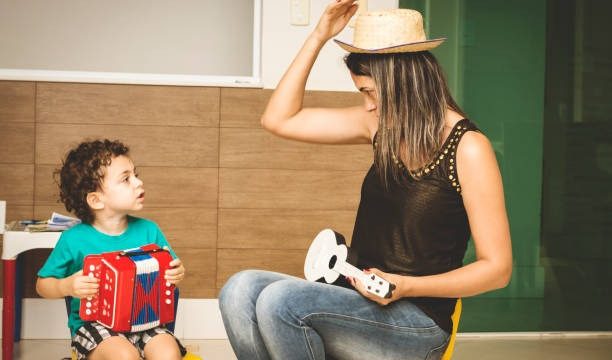
One of the most beautiful aspects of music is its improvisational nature. Encourage children to create their own melodies or rhythms using simple instruments like tambourines, maracas, or even pots and pans. Set aside time for them to experiment and play freely, without the pressure of performing perfectly. This open-ended approach allows children to explore their musical ideas and fosters a sense of ownership over their creativity.
You might also consider organizing a “jam session” where children can take turns being the leader, guiding the group in their musical exploration. This not only builds confidence but also promotes social skills as they learn to support each other’s ideas and creativity.
Connecting emotions with music
Music is a powerful medium for expressing emotions, and introducing young learners to this concept can be both enlightening and fun. Play a selection of songs that evoke different feelings—joy, sadness, excitement, calmness—and ask the children how each piece makes them feel. Encourage them to express those emotions through movement, whether it be jumping with joy or moving slowly and gently when the music is soft.
This exploration helps children develop emotional intelligence and understand that music can be a reflection of their feelings. It also provides a safe space for them to express what they might not have the words to articulate.
Fostering a love for movement
Ultimately, the goal of incorporating music and movement games into young learners’ lives is to foster a lifelong love for both. It’s about creating joyful experiences that encourage exploration, creativity, and connection. As caregivers and educators, providing opportunities for children to engage with music and movement can lead to a deeper appreciation for the arts, improved physical health, and enriched social interactions.
By embracing the magic of music and movement, we open doors for young learners to explore their world in a vibrant and expressive way. Whether through clapping games, storytelling, musical treasure hunts, or improvisation, the possibilities are endless. So, turn up the music, let the laughter flow, and watch as young hearts and minds dance to the rhythm of discovery.