In the world of education, finding creative ways to engage young minds can often feel like a delightful challenge.
Toys, often seen as simple playthings, hold immense potential as teaching tools.
They can transform learning into a fun and interactive experience, allowing children to explore, discover, and grow in ways that traditional methods may not always achieve.
With a little imagination, everyday toys can become powerful instruments for education, fostering curiosity and enhancing skills in the most enjoyable manner.
Exploring the learning potential of toys begins with a shift in perspective. Instead of viewing playtime as mere recreation, consider it as a vibrant opportunity for growth. For instance, building blocks are not just colorful pieces of plastic; they serve as a gateway to understanding basic physics concepts like balance and gravity. When children stack blocks, they engage in problem-solving, spatial awareness, and fine motor skills development—all while having fun. This natural inclination to experiment and create is a wonderful way to facilitate learning without the pressure often associated with formal education.
Another delightful avenue is the world of role-playing. Dress-up costumes, dolls, and action figures can inspire imaginative scenarios that encourage storytelling and social skills. When children engage in role-play, they explore different perspectives, practice empathy, and enhance their communication abilities. For example, a simple tea party with stuffed animals can become a lesson in sharing and cooperation, as children negotiate who gets to pour the imaginary tea or choose the next game. Through these playful interactions, they learn valuable life skills that extend far beyond the confines of the playroom.
Incorporating toys into learning can also spark a love for science and exploration. Science kits, magnifying glasses, and nature-themed toys can turn a simple backyard or living room into a laboratory of discovery. When children observe insects through a magnifying glass or mix safe household ingredients to create a fizzy reaction, they cultivate a sense of wonder about the natural world. This hands-on approach not only reinforces scientific concepts but also encourages critical thinking and inquiry—skills that are essential in today’s world.
The arts and crafts realm is another treasure trove of educational possibilities. Art supplies can be more than just tools for creativity; they can also teach children about colors, shapes, and textures. When children engage in painting or crafting, they express themselves and develop fine motor skills, patience, and perseverance. A simple project, such as creating a collage from magazine cutouts, can become a lesson in categorization and visual storytelling. By allowing creativity to flow, parents and educators can nurture a child’s artistic abilities while simultaneously reinforcing foundational concepts.
As children grow, the toys they engage with can evolve to meet their changing interests and developmental stages. Puzzles, for example, can be introduced at an early age to enhance problem-solving skills and cognitive development. As children progress, more complex puzzles can challenge their critical thinking and spatial reasoning. This gradual increase in difficulty not only keeps them engaged but also instills a sense of accomplishment as they master new challenges. It’s a gentle reminder that learning is a lifelong journey, and toys can be steadfast companions along the way.
Music is another powerful medium that can be seamlessly integrated into play. Instruments, whether simple shakers or more complex keyboards, can introduce children to rhythm, melody, and the joy of self-expression. Music has a unique ability to cultivate emotional intelligence, as children learn to express their feelings through sound. Singing songs or creating their own melodies encourages creativity and can enhance memory, making learning both enjoyable and impactful.
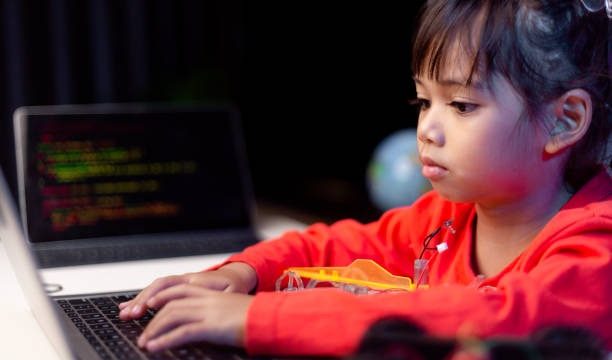
Additionally, technology-based toys can offer exciting opportunities for learning. Educational apps and interactive games can provide a modern twist on traditional teaching methods. When used mindfully, these tools can promote skills like coding, math, and literacy. The key is to strike a balance between screen time and hands-on play, ensuring that children benefit from the best of both worlds. By guiding them in their exploration of technology, parents can help children navigate the digital landscape while still cherishing the tactile experiences that toys can offer.
As we navigate the ever-changing landscape of education, it’s essential to remember that the primary goal is to foster a love for learning. The integration of toys into teaching can create a warm, inviting atmosphere where curiosity flourishes. When children are encouraged to explore, ask questions, and make connections through play, they develop a sense of agency in their learning journey. This intrinsic motivation can lead to a lifelong passion for knowledge and discovery.
In the end, the fun ways to teach with toys are as varied as the toys themselves. From building blocks to musical instruments, each toy holds potential waiting to be unlocked. By embracing the playful nature of learning, we can create enriching experiences that resonate with children long after the toys are put away. The laughter, creativity, and exploration that come from play can serve as the foundation for a lifetime of curiosity and growth.
Ultimately, the journey of learning should feel like an adventure, and toys can be the perfect companions along the way. As parents and educators, we can cultivate a nurturing environment where play and learning go hand in hand, allowing children to thrive in their unique ways. In this harmonious blend of fun and education, the possibilities are truly endless.