In today’s fast-paced, technology-driven world, the importance of programming skills is more evident than ever.
As parents, we often seek ways to equip our children with tools that will help them thrive in the future.
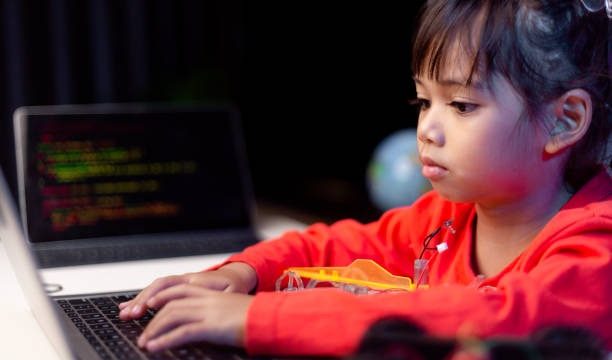
One of the most rewarding paths to explore is introducing kids to programming. It’s not just about learning to code; it’s about fostering creativity, problem-solving skills, and a sense of accomplishment.
Creating a nurturing environment for learning is essential. The process should be enjoyable and engaging, allowing children to discover the joy of creating something from scratch. The beauty of programming lies in its versatility. Whether your child is interested in games, animations, or even robotics, there’s a programming language or platform that can cater to their interests.
It’s important to remember that every child learns differently. Some may thrive in structured environments, while others may prefer a more free-form approach. By understanding your child’s personality and learning style, you can tailor their programming journey to fit their needs. This adaptability not only enhances their learning experience but also keeps them motivated and excited about what they are creating.
A gentle introduction to programming can start at home. There are countless resources available, many of which are free or low-cost. Websites like Scratch and Code.org offer user-friendly platforms designed specifically for children. These platforms allow kids to create their own games and animations using block-based coding, which simplifies complex concepts. The colorful interfaces and interactive elements make learning feel more like play than work, encouraging children to experiment and explore.
In addition to online resources, consider incorporating programming into everyday activities. For instance, you might challenge your child to create a simple game using materials around the house, like Lego blocks or art supplies. This hands-on approach not only reinforces the concepts they are learning but also sparks their creativity. Engaging in these activities together can strengthen your bond, making the learning experience even more meaningful.
As your child becomes more comfortable with the basics, you can introduce them to more advanced concepts. Languages like Python and JavaScript are excellent next steps. These languages are not only widely used in the industry, but they are also accessible for beginners. There are numerous online courses and tutorials available that cater specifically to young learners, providing structured guidance as they progress.
Encouraging your child to participate in coding clubs or workshops can also be beneficial. These environments foster collaboration and provide opportunities for social interaction. Meeting peers who share similar interests can enhance motivation and inspire creativity. Many local libraries and community centers offer coding classes, and there are also numerous online communities where kids can connect with others around the world.
As children delve deeper into programming, they may discover a passion for specific areas, such as game design, web development, or data science. Supporting their interests and encouraging them to pursue projects they are passionate about can lead to a fulfilling and enriching experience. Whether it’s creating a video game or developing a website to showcase their artwork, these projects provide a tangible outcome that can boost their confidence and sense of achievement.
It’s important to celebrate their successes, no matter how small. Each milestone reached is a testament to their hard work and dedication. A simple acknowledgment or a small reward can encourage them to keep pushing their boundaries. This positive reinforcement fosters resilience and helps them develop a growth mindset, which is essential not only in programming but in all aspects of life.
As parents, we can also learn alongside our children. Embracing the journey as a shared experience can create a unique opportunity for bonding. You might find that you, too, enjoy the challenges and triumphs that come with learning to code. This shared exploration can lead to meaningful conversations about technology and its impact on our world, fostering a deeper understanding of the digital landscape.
While programming can seem daunting at first, it’s essential to approach it with patience and an open heart. Mistakes and setbacks are part of the learning process, and teaching children to embrace these moments can be incredibly valuable. Encouraging a mindset of curiosity and persistence will serve them well, both in coding and in life.
Incorporating programming into your family’s routine doesn’t have to be overwhelming. Whether it’s setting aside a few hours each week for coding projects or simply discussing technological advancements at the dinner table, small steps can lead to significant growth. The key is to maintain a sense of balance, ensuring that the experience remains enjoyable and enriching.
As we look toward the future, the ability to understand and engage with technology will only become more critical. By starting programming with your kids today, you’re not just teaching them a skill; you’re providing them with tools to navigate an ever-evolving world. It’s an investment in their future, one that can inspire creativity, foster critical thinking, and instill a sense of confidence that will serve them well in all their endeavors.
In the end, the journey of learning to code is about more than just lines of code. It’s about exploration, creativity, and the joy of discovery. As you embark on this adventure with your child, remember to savor the moments of learning together. Each project, each challenge, and each success can strengthen not just their skills, but your relationship as well. Together, you can unlock a world of possibilities, one line of code at a time.