In the world of early childhood education, the methods we choose to teach our little ones can have a profound impact on their learning experience.
One of the most delightful approaches is teaching letters and sounds through play.
This method not only makes learning enjoyable but also nurtures a child’s natural curiosity and creativity.
By weaving literacy into playtime, children can grasp the fundamentals of language in a way that feels organic and engaging.
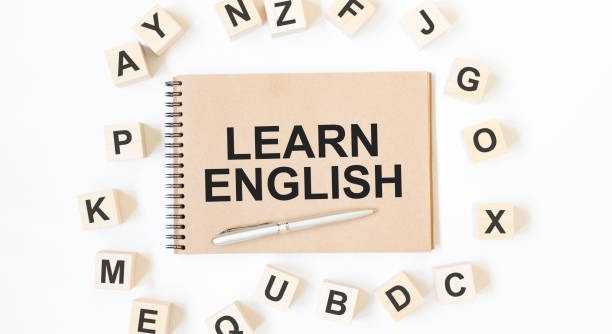
The beauty of teaching letters and sounds through play lies in its ability to transform everyday moments into rich learning experiences. Imagine a child playing with colorful building blocks, each inscribed with a letter. As they stack, sort, or even topple these blocks, they are not just having fun; they are also discovering the shapes and sounds of letters. This playful interaction with letters allows them to form connections between visual symbols and their corresponding sounds, paving the way for literacy development.
Creating an environment where learning flourishes can be as simple as incorporating letters into your child’s daily routine. For instance, during snack time, you might arrange fruit slices to form letters, encouraging your child to name them. “Look, this apple slice makes the letter A!” Such casual moments foster recognition and excitement about letters without the pressure of formal instruction. Children learn best when they feel relaxed and happy, and these playful interactions provide the perfect backdrop for exploration.
Storytime can also be a wonderful avenue for playful learning. Choosing books that emphasize letters and sounds through rhythmic language or engaging illustrations can captivate a child’s attention. As you read, pause occasionally to emphasize specific sounds or letters. For example, when you come across the word “cat,” you might say, “What sound does C make? Can you find the letter C on this page?” This gentle prompting invites your child to participate actively in the story, making them feel like a part of the learning process.
Outdoor play offers another fantastic opportunity to teach letters and sounds. A simple walk in the park can be transformed into an adventure of discovery. Encourage your child to look for letters in nature—perhaps the shape of a tree branch resembles a letter L, or a fallen leaf looks like a letter O. This not only reinforces their understanding of letters but also enhances their observational skills. Being outdoors adds an element of excitement and wonder, making learning feel like an adventure rather than a task.
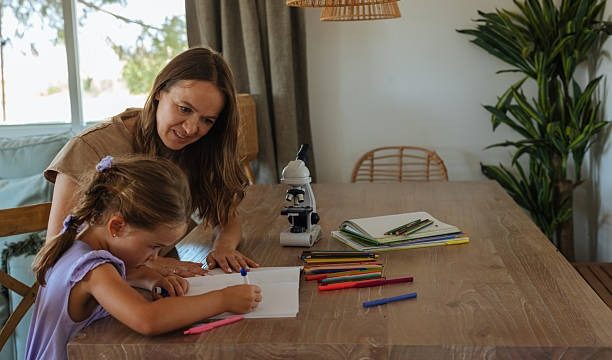
Another engaging activity involves crafts. Creating letter-themed art can be both fun and educational. You might set up a station with various materials such as paper, markers, and stickers. Encourage your child to create their own collage of letters. As they cut, glue, and decorate, talk about the sounds each letter makes. This hands-on experience strengthens fine motor skills while deepening their understanding of letters and sounds in a relaxed, enjoyable setting.
Music and movement are also powerful tools for learning. Songs that incorporate the alphabet or phonics can be catchy and memorable. You might find that your child easily remembers the letters when they are paired with melodies and actions. Consider creating a little dance routine where each letter corresponds to a movement. This not only helps with memory retention but also keeps the learning process lively and dynamic.
As children become more comfortable with letters, you can gently introduce simple games that involve sounds. For instance, a game of “I Spy” can be tailored to focus on the sounds of letters. You might say, “I spy with my little eye something that starts with the letter B.” This not only sharpens their listening skills but also encourages them to think critically about the sounds they hear in their environment.
Emphasizing the joy of learning is crucial. Celebrate their efforts and achievements, no matter how small. When your child recognizes a letter or sound, respond with enthusiasm. Your positive reinforcement creates a nurturing atmosphere that encourages them to continue exploring. This sense of accomplishment can motivate them to seek out new learning opportunities, reinforcing their confidence and love for literacy.
A gentle shift towards balance is essential in this playful approach to learning. While it is important to engage children with letters and sounds, it is equally vital to allow them the freedom to explore at their own pace. Each child is unique, and their learning journey will unfold in its own time. Maintaining a relaxed attitude towards learning helps ensure that it remains a joyful experience.
As caregivers and educators, our role is to provide a rich tapestry of experiences that cultivate a love for language. By integrating letters and sounds into playful activities, we can create an environment that not only fosters literacy but also encourages creativity and imagination. The ultimate goal is to instill a sense of wonder about the world of words, where children feel empowered to explore, ask questions, and express themselves.
In conclusion, teaching letters and sounds through play is a heartfelt approach that resonates with the natural instincts of young children. By incorporating playful elements into their learning experiences, we can nurture a love for literacy that lasts a lifetime. As they discover the world of letters, they are not just learning to read and write; they are also developing critical thinking skills, creativity, and a sense of curiosity that will serve them well in all areas of life. So let’s embrace the joy of learning through play, creating beautiful memories along the way.