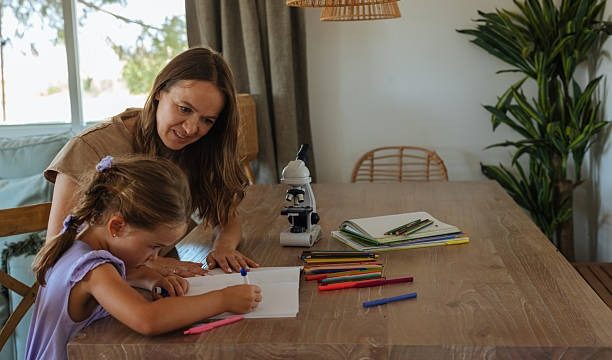
Creating a predictable and safe classroom routine can be one of the most rewarding aspects of teaching.
When students know what to expect each day, it fosters a sense of security and belonging, allowing them to focus on learning and personal growth.
A well-structured routine not only benefits students but also enhances the teaching experience, making the classroom a more harmonious environment.
Here, we’ll explore some gentle strategies to help you build a classroom routine that feels both safe and predictable.
Establishing a foundation of trust is essential in any classroom. When students feel secure, they are more likely to engage and participate actively. Begin by getting to know your students individually. Take the time to learn their names, interests, and backgrounds. This connection lays the groundwork for a supportive atmosphere where students feel valued and understood.
Once you’ve established relationships, you can start to introduce the idea of routine. Communicate your intentions clearly and positively. Explain that routines are designed to help everyone feel comfortable and to create a space where learning can flourish. You might want to share your daily schedule with your students, allowing them to visualize what a typical day looks like. This transparency can ease anxiety and set the tone for a collaborative environment.
A gentle introduction to the routine can make a significant difference. Begin with simple, consistent activities that mark the start of each day. Whether it’s a morning circle, a brief mindfulness exercise, or a fun icebreaker, these activities help students transition into learning mode. Consistency is key; when students know what to expect, they feel more at ease.
As you establish these routines, consider incorporating visual aids. A daily schedule displayed prominently in the classroom can serve as a constant reminder of the day’s flow. Use images or icons that represent different activities, catering to various learning styles. This visual element can help students, especially younger ones, to grasp the concept of time and sequence more easily.
Creating a rhythm to your day can also enhance predictability. Group similar activities together, allowing students to experience a natural flow. For example, start with a focused academic lesson, followed by a more active group activity, and then transition into a quiet reading time. This structure not only keeps students engaged but also provides them with a clear understanding of what to expect throughout the day.
Another essential aspect of a safe classroom routine is the importance of flexibility. While routines provide a framework, life in the classroom can be unpredictable. Be open to adjustments based on the needs of your students. If a particular activity isn’t resonating, or if students are feeling restless, it’s okay to shift gears. A responsive approach fosters an environment where students feel heard and valued, reinforcing their sense of safety.
Incorporating regular check-ins can also enhance the predictability of your classroom. These can be brief moments where you gauge how students are feeling or what they need. Whether it’s a simple thumbs-up or a quiet moment of reflection, these check-ins allow you to maintain a pulse on the classroom dynamic. When students know they have a voice, it contributes to a more secure and cohesive environment.
As you build your routine, consider the power of transitions. Smooth transitions between activities can significantly impact how students perceive the flow of the day. Use calming music or a gentle signal, like a chime, to indicate a shift. This not only creates a sense of continuity but also helps students mentally prepare for the next task.
Creating opportunities for student input can also enhance the routine. Encourage students to share their ideas about what activities or routines they would like to include. This collaborative approach empowers them and fosters a sense of ownership over their learning environment. When students feel that their voices matter, they are more likely to engage positively with the established routines.
A supportive classroom environment thrives on positive reinforcement. Acknowledge and celebrate when students successfully follow the routine. Simple affirmations, like a smile or a word of encouragement, can go a long way in reinforcing desired behaviors. When students feel recognized for their efforts, it strengthens their connection to the classroom routine and encourages them to continue participating.
As you create a predictable and safe classroom routine, remember to model the behaviors you wish to instill. Your actions set the tone for the classroom. Demonstrate patience, kindness, and understanding as students navigate the routine. When they see you embodying these qualities, it reinforces the values you wish to promote.
Incorporating moments of joy and creativity into your routine can further enrich the experience for both you and your students. Whether it’s a spontaneous dance break, a storytelling session, or a creative art project, these moments of joy can serve as highlights in the day. They remind everyone that learning is not just about structure; it’s also about connection, creativity, and fun.
Ultimately, building a predictable and safe classroom routine is an evolving process. It takes time, patience, and a willingness to adapt. As you cultivate this environment, remember that the journey is just as important as the destination. Celebrate the small victories along the way, and cherish the connections you build with your students.
In conclusion, a well-structured classroom routine can create a nurturing environment where students thrive. By fostering trust, maintaining flexibility, and incorporating moments of joy, you can develop a routine that feels both predictable and safe. Embrace the journey, and watch as your classroom transforms into a sanctuary of learning and growth.