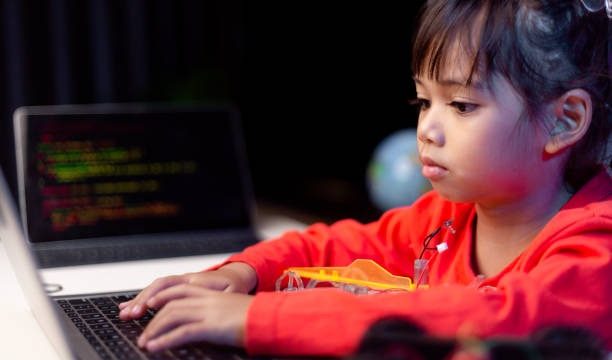
In recent times, the landscape of education has transformed dramatically, with digital classrooms becoming an integral part of learning for students around the world.
While technology offers incredible advantages, it can also pose challenges in keeping students engaged and motivated.
The good news is that making learning enjoyable in these digital spaces is not only possible but can also lead to deeper understanding and retention of knowledge.
Let’s explore some gentle ways to infuse a sense of fun into digital learning.
A shift in perspective
The first step toward making learning enjoyable in digital classrooms is to shift our perspective on what fun means in an educational context. Fun is not merely about games or entertainment; it’s about creating an environment where students feel excited, curious, and inspired to learn. This can be achieved through a variety of methods that encourage interaction and creativity.
Incorporating gamification into lessons can be a delightful way to achieve this. By introducing elements such as points, levels, and challenges, educators can transform a standard curriculum into an engaging experience. Students often thrive in environments where they can see their progress and work toward tangible goals. A little friendly competition can stimulate motivation and encourage collaboration among peers.
Creating a vibrant community
One of the most significant advantages of digital classrooms is the ability to connect with others, even from a distance. Fostering a sense of community can make learning feel more engaging and enjoyable. Educators can create virtual discussion forums or group projects that allow students to share ideas and collaborate. This sense of belonging can help students feel more invested in their learning journey.
Encouraging students to share their interests can also be a wonderful way to personalize the learning experience. When students are allowed to incorporate their passions into their assignments, the learning becomes more relevant and exciting. For example, a student who loves music might create a project about the history of a particular genre, while another who enjoys art could explore the visual representation of concepts. These personal touches can make the digital classroom feel like a space where individual voices matter.
Incorporating creativity
Creativity is often the spark that ignites interest in learning. Digital tools provide endless opportunities for students to express themselves artistically. Whether through video projects, digital storytelling, or interactive presentations, the possibilities are vast. Allowing students to choose how they want to demonstrate their understanding can lead to a more enjoyable and authentic learning experience.
Moreover, integrating creative activities into lessons can help break up the monotony that sometimes accompanies online learning. For instance, a lesson on science could include a virtual lab simulation where students can experiment and observe results in real-time. This hands-on approach can make complex concepts more tangible and accessible, all while keeping the lessons lively and engaging.
The power of storytelling
Storytelling is a timeless tool that has been used for centuries to convey knowledge and inspire curiosity. In a digital classroom, storytelling can take many forms. Educators can share personal anecdotes or create narratives around the subject matter, helping students connect emotionally with the content. This emotional connection can enhance comprehension and retention, making learning feel less like a chore and more like an adventure.
Encouraging students to create their own stories can also be a powerful way to engage them. Whether through writing, video, or multimedia presentations, storytelling allows students to immerse themselves in their learning. It taps into their imagination and creativity, making the educational experience both enjoyable and impactful.
Mindfulness in learning
As we navigate the challenges of digital learning, it’s essential to incorporate elements of mindfulness into the process. Mindfulness can help students focus, reduce anxiety, and enhance their overall learning experience. Simple practices, such as starting class with a few moments of deep breathing or encouraging students to take mindful breaks, can create a calmer and more centered environment.
Incorporating mindfulness into learning can also mean being aware of the diverse needs of students. Understanding that each learner has a unique style and pace is crucial in creating an inclusive digital classroom. By offering a variety of learning resources—such as videos, podcasts, and interactive activities—educators can cater to different preferences, making learning more enjoyable for everyone.
Building a positive feedback loop
Feedback is a powerful tool in any learning environment, and in digital classrooms, it can be particularly impactful. Creating a culture of constructive feedback can help students feel supported and motivated. Encouraging peer feedback can also foster collaboration and community, allowing students to learn from one another.
When students receive positive reinforcement for their efforts, it can lead to a cycle of motivation and enthusiasm. Celebrating achievements, no matter how small, can help students see the value in their work and encourage them to keep pushing forward. This positive feedback loop can make the digital classroom a place where students feel empowered and eager to learn.
The journey ahead
As we continue to navigate the evolving world of education, it’s essential to remember that making learning fun in digital classrooms is not just about integrating technology; it’s about nurturing a love for learning. By embracing creativity, fostering community, and incorporating mindfulness, we can create an environment where students thrive.
In this digital age, the journey of education can be an exciting adventure filled with opportunities for growth and discovery. By focusing on the joy of learning, we can help students develop a lifelong passion for knowledge that extends far beyond the confines of a classroom. In the end, it’s about creating a space where learning feels less like a task and more like a delightful exploration of the world around us.