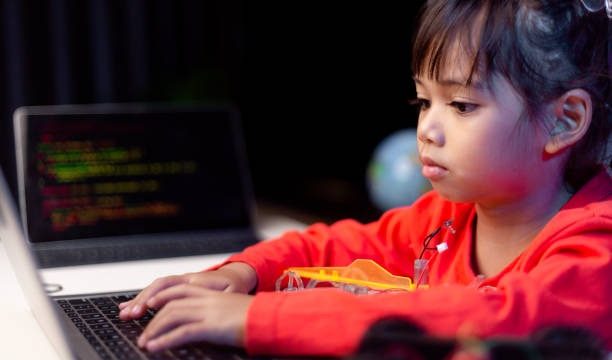
In the ever-evolving landscape of education, digital classrooms are emerging as a transformative force, bringing with them a wave of change that feels both refreshing and necessary.
With the advent of technology, learning is no longer confined to the four walls of a traditional classroom.
Instead, it has expanded into a realm that offers flexibility, accessibility, and a personalized approach to education.
This shift is not just about technology; it’s about reimagining the way we learn and connect.
A gentle beginning to a new era
As we navigate through our busy lives, the idea of education has begun to shift from a rigid structure to a more fluid experience. Digital classrooms allow students to learn at their own pace, choosing when and how they engage with the material. This flexibility can be particularly beneficial for those who may have jobs, family responsibilities, or other commitments. The traditional bell schedule has softened, allowing learners to carve out their own educational journeys.
The role of technology in fostering connection
One of the most beautiful aspects of digital classrooms is their ability to foster connection among students and teachers, regardless of geographical barriers. Online platforms enable students to collaborate on projects, share ideas, and support each other in ways that might not be possible in a conventional setting. In these virtual spaces, a sense of community can flourish, where diverse voices come together to enrich the learning experience.
Imagine a classroom where students from different corners of the world can engage in meaningful discussions. This global perspective not only broadens horizons but also cultivates empathy and understanding among peers. The shared experience of learning together, even from a distance, can create bonds that last a lifetime.
A personalized approach to learning
In a digital classroom, the learning experience can be tailored to meet individual needs. With a wealth of resources available at their fingertips, students can explore topics that resonate with them, diving deeper into subjects that spark their curiosity. This personalization empowers learners to take ownership of their education, fostering a sense of independence and responsibility.
Teachers, too, can adapt their methods to suit the unique learning styles of their students. By utilizing various digital tools, educators can create interactive lessons that engage all types of learners. Whether it’s through videos, quizzes, or virtual discussions, the possibilities for creative teaching are endless. This dynamic approach not only enhances comprehension but also keeps students motivated and excited about learning.
A small shift toward balance
While the advantages of digital classrooms are clear, it’s important to acknowledge the need for balance. The allure of technology can sometimes lead to distractions. However, with mindful practices in place, students can develop skills in self-regulation that will serve them well beyond their academic years. Learning to manage one’s time and focus in a digital environment is a valuable lesson in itself.
Educators and parents can play a crucial role in guiding students toward this balance. Encouraging regular breaks, promoting healthy screen time habits, and fostering open conversations about online engagement can help create a more harmonious learning experience. It’s about finding that sweet spot where technology enhances education without overshadowing the human connection that is so vital to learning.
Nurturing creativity and innovation
Digital classrooms are not just about absorbing information; they are also about nurturing creativity and innovation. With access to a myriad of resources, students can explore their creative potential in ways that were previously unimaginable. From virtual art galleries to online coding platforms, the digital world is a playground for curious minds.
Encouraging creativity in education can lead to innovative thinking, problem-solving skills, and a willingness to take risks. In a digital classroom, students can experiment with different mediums, collaborate on creative projects, and express themselves in unique ways. This freedom to explore can ignite a passion for learning that extends far beyond the confines of any curriculum.
The importance of emotional well-being
As we embrace the digital classroom, it’s essential to prioritize emotional well-being. The transition to online learning can be challenging for some students, who may feel isolated or overwhelmed. Recognizing this, educators are increasingly focusing on social-emotional learning, ensuring that students have the support they need to thrive in a digital environment.
Creating a culture of kindness and understanding within digital classrooms can help students feel valued and connected. Simple practices, such as encouraging peer check-ins or fostering discussions around mental health, can make a significant difference. By prioritizing emotional well-being, we are nurturing not just academically successful students but well-rounded individuals who are prepared to face the complexities of life.
Looking to the future
As we reflect on the impact of digital classrooms, it’s clear that we are witnessing a shift that holds great promise for the future of education. The integration of technology into learning is not merely a trend; it’s a pathway to a more inclusive, engaging, and personalized educational experience.
While challenges may arise, the potential for growth and innovation is boundless. As students, educators, and families navigate this new landscape together, there is an opportunity to create a learning environment that is not only effective but also joyful.
In this digital age, education is becoming a collective journey—one that celebrates diversity, fosters creativity, and prioritizes well-being. As we embrace these changes, we are not just adapting to a new way of learning; we are redefining what it means to be a lifelong learner in a world that is constantly evolving. With open hearts and curious minds, we can look forward to a future where education knows no boundaries.