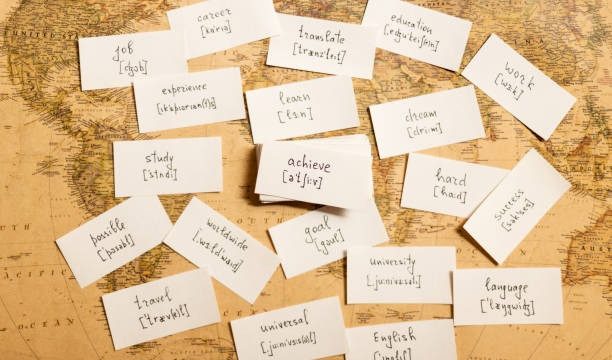
Learning a new language is a thrilling adventure, particularly when that language is spoken in a country you’ve longed to explore.
However, the prospect of speaking a foreign tongue abroad can be daunting.
The fear of making mistakes or not being understood can easily overshadow the excitement of immersing oneself in a new culture.
Yet, building confidence in your language skills is not only achievable but also a rewarding journey that enhances your overall travel experience.
A gentle approach to language learning can make all the difference. Instead of viewing your language skills as a set of rigid rules to follow, think of them as tools for connection. Each word you learn brings you closer to the heart of the culture you’re engaging with. Remember, communication is about sharing ideas and emotions, not just perfect grammar. Embracing this perspective can ease the pressure and allow your confidence to flourish.
One of the most effective ways to build confidence is through practice. Engaging in conversations, even small ones, can significantly enhance your comfort level. Start with friendly exchanges, such as greetings or simple questions. You might find that locals appreciate your efforts, and their encouragement can be a powerful boost to your confidence. Consider visiting local cafes or markets where you can strike up light conversations. The more you practice, the more natural speaking will feel.
Another helpful strategy is to immerse yourself in the language through various mediums. Listening to local music, watching films, or reading books in the language can enhance your understanding and pronunciation. As you absorb the sounds and rhythms, you’ll notice how the language flows, making it easier to replicate. This exposure not only improves your linguistic skills but also deepens your appreciation for the culture and its nuances.
Connecting with others who share your language-learning journey can also provide a supportive environment. Look for language exchange groups or classes in your area or online. Engaging with fellow learners allows you to share experiences, challenges, and successes. You might find a partner who is also eager to practice, creating a safe space where mistakes are not only accepted but seen as part of the learning process. This camaraderie can help alleviate the anxiety of speaking in front of others.
When you finally find yourself in a situation where you need to communicate in your new language, remind yourself that making mistakes is a natural part of the learning curve. Everyone has been there, and most people will admire your courage to try. If you stumble over a word or phrase, don’t let it discourage you. Often, a smile and a lighthearted acknowledgment of the mistake can pave the way for a more relaxed interaction. Remember, every conversation is an opportunity for growth.
Another aspect to consider is your mindset. Approaching conversations with curiosity rather than fear can transform your experience. Instead of worrying about how you’ll sound, focus on the joy of connecting with someone new. This shift in perspective can turn anxiety into excitement. Each interaction becomes a chance to learn, not just linguistically but also culturally. The stories you share and the laughter you create can transcend language barriers.
It’s also beneficial to set small, achievable goals for yourself. Rather than aiming for fluency overnight, consider what you’d like to accomplish during your trip. Perhaps you want to order food confidently, ask for directions, or engage in a simple conversation. Setting these smaller objectives can help you feel a sense of accomplishment as you achieve each one. Celebrate these victories, no matter how small, and use them as stepping stones toward greater confidence.
Taking time to reflect on your experiences can also be enriching. After a day of speaking the language, consider journaling your thoughts or feelings about your interactions. What went well? What did you find challenging? Reflecting on these moments can help you identify areas for improvement while also recognizing your progress. This practice not only reinforces your learning but also encourages a growth mindset, where challenges are viewed as opportunities for development.
It’s important to remember that everyone learns at their own pace. Comparing yourself to others can lead to unnecessary pressure and self-doubt. Instead, focus on your unique journey. Celebrate the progress you’ve made, whether it’s mastering a tricky phrase or simply feeling more at ease in conversations. Your personal growth is what matters most, and embracing your individual path can cultivate lasting confidence.
As you navigate the beautiful complexities of speaking a new language abroad, keep in mind that the heart of communication lies in connection. Each word you share is a bridge to understanding, and every conversation is a celebration of the human experience. By approaching your language journey with kindness toward yourself and an open heart, you’ll find that confidence comes naturally.
In the end, the beauty of learning a new language is not solely about fluency but about the connections you create along the way. So, take a deep breath, step out into the world, and let your voice be heard. Each moment is a chance to learn, grow, and embrace the richness of cultural exchange. Your journey is uniquely yours, and with each new word, you are not just learning a language—you are opening doors to new friendships and experiences that will enrich your life in ways you can’t yet imagine.