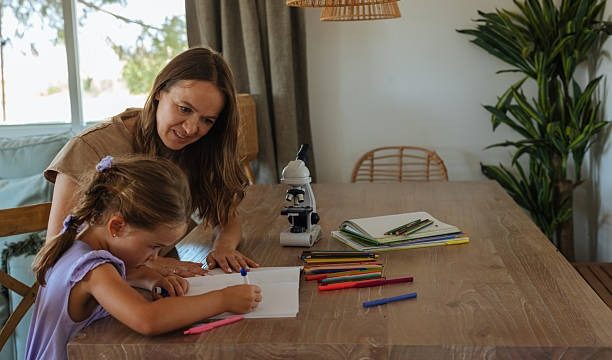
When it comes to supporting children’s learning, the collaboration between parents and teachers is fundamental.
This partnership becomes especially crucial when navigating the complexities of Individualized Education Plans (IEPs).
These plans are designed to cater to the unique needs of students, ensuring that they receive the support necessary to thrive in an educational environment.
By working together, parents and teachers can create a harmonious approach that benefits the child’s development and fosters a nurturing atmosphere for learning.
Understanding the IEP process is the first step towards effective collaboration. Parents often find themselves on a journey filled with emotional highs and lows as they advocate for their child’s needs. Teachers, on the other hand, are equipped with educational expertise but may not always have insight into a child’s home life. This is where open communication becomes the cornerstone of a successful partnership. When parents and teachers share insights about a child’s strengths, challenges, and interests, they create a fuller picture that can inform the goals set within the IEP.
A gentle reminder of the importance of regular meetings can go a long way. These gatherings provide a safe space for parents and teachers to discuss progress, celebrate achievements, and address any concerns that may arise. It’s essential for both parties to approach these meetings with an open heart and mind. Parents should feel empowered to voice their observations and experiences, while teachers can share their professional insights and strategies that have worked well in the classroom. This exchange of information not only deepens understanding but also builds trust, enabling a more cohesive approach to the child’s education.
Creating a shared vision for the child’s learning can be an enriching experience. Parents and teachers can collaboratively set realistic and achievable goals that are tailored to the child’s unique abilities. By focusing on strengths and interests, they can cultivate a sense of motivation and engagement. This positive reinforcement is crucial in helping children feel valued and understood. When children see that their parents and teachers are on the same team, they are more likely to embrace the learning process, knowing they have a support system cheering them on.
A small shift toward balance can make a significant difference in how IEPs are implemented. While it’s vital for parents to be involved in the educational process, it’s equally important for teachers to recognize the value of the home environment. Encouraging parents to share insights about their child’s behavior and learning styles at home can enrich the educational experience. Simple strategies, such as incorporating familiar routines or interests into classroom activities, can create a seamless connection between home and school. This continuity helps children feel more secure and grounded, fostering a positive learning atmosphere.
In moments of challenge, it’s essential to maintain a calm and understanding demeanor. Disagreements may arise, and it’s crucial to approach these situations with empathy and a willingness to listen. Both parents and teachers should remember that they share a common goal: the well-being and success of the child. By practicing patience and kindness, they can navigate obstacles together, finding solutions that prioritize the child’s needs.
Celebrating successes, no matter how small, is an important aspect of this partnership. Recognizing and acknowledging progress can be incredibly motivating for both the child and the adults involved. Whether it’s mastering a new skill or simply showing improvement in behavior, these moments deserve to be highlighted. Parents can share these victories at home, while teachers can reinforce them in the classroom. This shared celebration fosters a sense of accomplishment and encourages children to continue striving for their goals.
Creating an inclusive environment is another essential element of making IEPs work effectively. Parents can play a vital role in advocating for inclusive practices within the school, ensuring that their child feels accepted and valued among peers. Teachers can facilitate this by promoting a culture of empathy and understanding within the classroom. Activities that encourage teamwork and collaboration can help children learn to appreciate each other’s differences, fostering friendships that extend beyond academic settings.
As the child progresses through their educational journey, it’s important for parents and teachers to remain flexible. Needs may change, and goals may need to be adjusted. This adaptability ensures that the IEP remains relevant and effective. Regular check-ins can help both parties stay aligned, making it easier to pivot when necessary. By maintaining a fluid approach, parents and teachers can respond to the child’s evolving needs, providing the best possible support.
The emotional aspect of this journey cannot be overlooked. Both parents and teachers may experience feelings of frustration, joy, or even helplessness at times. It’s important to acknowledge these emotions and to seek support when needed. Building a network of fellow parents and educators can provide a sense of community and reassurance. Sharing experiences and strategies can lighten the load, reminding everyone that they are not alone in this endeavor.
In conclusion, the collaboration between parents and teachers is a vital component of making Individualized Education Plans effective. Through open communication, shared goals, and a commitment to celebrating successes, both parties can create a nurturing environment that supports the child’s growth. By fostering an inclusive atmosphere and remaining flexible to change, parents and teachers can empower children to reach their full potential. This partnership is not just about education; it’s about nurturing the whole child, creating a brighter future filled with possibilities. Together, they can make a lasting impact, guiding children on their unique learning journeys with love and understanding.