In today’s fast-paced world, the desire for personal growth and continuous learning is more pronounced than ever.
We find ourselves navigating a landscape rich with opportunities to develop new skills, whether for personal satisfaction, career advancement, or simply the joy of learning something new.
Fortunately, a variety of tools are designed to encourage skill development in an engaging and accessible manner.
Finding your rhythm in skill development can be a fulfilling journey, and the right tools can make a significant difference. From digital platforms to hands-on resources, there’s a wide array of options available to suit different preferences and learning styles.
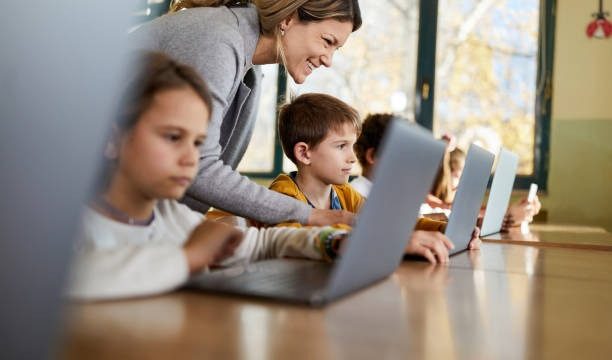
Exploring online learning platforms is a great starting point for many. Websites like Coursera, Udemy, and Skillshare offer courses on a diverse range of subjects, from photography to coding, and everything in between. These platforms provide a flexible learning environment, allowing you to engage at your own pace and revisit lessons as needed. The beauty of these resources lies in their accessibility; you can learn from industry experts without the constraints of a traditional classroom. This kind of self-directed learning fosters a sense of ownership over your educational journey, encouraging you to explore topics that genuinely interest you.
For those who prefer a more interactive approach, community-based learning environments can be incredibly enriching. Local workshops, classes, and meetups provide opportunities to engage with others who share similar interests. Whether it’s a pottery class, a cooking workshop, or a coding bootcamp, the connections you make in these settings can enhance your learning experience. Engaging with peers not only adds a social dimension to skill development but also allows for the exchange of ideas and support, which can be incredibly motivating.
Incorporating technology into your skill-building efforts can also lead to exciting discoveries. Apps designed for language learning, like Duolingo or Babbel, make the process fun and engaging. They use gamification techniques to keep you motivated, turning what could be a daunting task into a playful experience. The instant feedback provided by these apps helps reinforce learning and makes it easier to track your progress. This interactive aspect can transform language acquisition into a delightful daily practice, seamlessly integrating into your routine.
Another powerful tool for skill development is the wealth of instructional videos available online. Platforms like YouTube host countless tutorials spanning virtually every topic imaginable. From learning to play an instrument to mastering a new recipe, these videos provide visual and auditory learning that can be particularly helpful for those who benefit from seeing concepts in action. The informal nature of many of these videos can make learning feel less intimidating, allowing you to explore new skills in a relaxed environment.
Reading remains a timeless way to foster skill development. Books, articles, and e-books can provide in-depth knowledge on various subjects. Whether you’re diving into a comprehensive guide on graphic design or exploring the nuances of creative writing, written resources can offer valuable insights and techniques. Setting aside time for reading not only broadens your knowledge but also encourages critical thinking and reflection, which are essential components of skill mastery.
As you embark on your journey of skill development, it’s important to create a conducive environment for learning. Designating a specific space in your home for study or practice can help you mentally separate this time from other activities. This small shift toward balance can enhance your focus and make your learning sessions more productive. Surrounding yourself with inspiration, whether through art, quotes, or even a vision board, can also serve as a gentle reminder of your goals and aspirations.
Mindfulness practices have become increasingly popular as a means of enhancing focus and creativity. Taking a moment to pause, breathe, and center yourself can create a mental space that allows for greater clarity and retention of new information. Integrating mindfulness into your learning routine can be as simple as spending a few minutes in meditation or taking a walk to process what you’ve learned. This holistic approach not only nurtures your mind but also supports your emotional well-being.
Another aspect to consider is the role of mentorship in skill development. Connecting with someone who has expertise in the area you wish to explore can provide invaluable guidance. A mentor can offer advice, feedback, and encouragement, helping you navigate challenges and celebrate your successes. Building this relationship can be mutually beneficial, as mentors often find fulfillment in sharing their knowledge and supporting the growth of others.
As you reflect on your skill development journey, remember that it’s a process rather than a destination. Embrace the ups and downs, and allow yourself the grace to grow at your own pace. Celebrate small victories along the way, whether it’s completing a course, mastering a new technique, or simply dedicating time to practice. Each step you take contributes to your overall development and enriches your life in meaningful ways.
In conclusion, the tools available for skill development are abundant and varied, catering to different preferences and learning styles. Whether you choose to explore online courses, engage in community workshops, or immerse yourself in books and videos, the key is to find what resonates with you. By creating a supportive environment and incorporating mindfulness into your routine, you can cultivate a fulfilling journey of continuous learning. Remember, every skill you develop not only enhances your capabilities but also adds depth to your life’s experiences. Embrace the journey, and enjoy the process of becoming the best version of yourself.