In today’s fast-paced world, finding ways to make learning enjoyable is more important than ever.
Educational games have emerged as a delightful solution to engage learners of all ages, turning the often daunting task of studying into a fun and interactive experience.
Whether in a classroom setting or at home, these games not only captivate attention but also enhance cognitive skills, making the learning process more effective and enjoyable.
The allure of educational games lies in their ability to blend play with learning seamlessly. This fusion creates an environment where students can explore new concepts without the fear of failure. When children are engaged in a game, they are more likely to take risks, experiment, and discover new ideas. This natural curiosity can lead to a deeper understanding of the subject matter, as they connect the dots between play and knowledge.
One of the most significant benefits of educational games is their capacity to cater to various learning styles. Every individual has a unique way of absorbing information, and these games can be tailored to meet diverse needs. Visual learners may thrive with games that incorporate colorful graphics and animations, while kinesthetic learners might excel with interactive activities that require movement. By accommodating different preferences, educational games create an inclusive learning environment that allows everyone to flourish.
Moreover, educational games often introduce elements of competition and collaboration, which can be incredibly motivating. When learners engage in friendly competition, they may find themselves more invested in the outcome. This drive can inspire them to study harder and grasp concepts more thoroughly. Additionally, many games encourage teamwork, promoting social interaction and communication skills. As players work together to solve problems, they learn the value of collaboration—a crucial skill in both academic and real-world settings.
Another aspect worth noting is how educational games can reduce anxiety associated with traditional learning methods. For many students, the pressure to perform well in exams or assignments can be overwhelming. Games provide a low-stakes environment where mistakes are part of the learning journey. This shift in perspective can help students approach challenges with a more relaxed mindset, fostering resilience and a love for learning. The joy of playing can overshadow the stress of assessments, allowing for a more positive educational experience.
As technology continues to evolve, so too do the possibilities for educational games. With the rise of digital platforms, learners have access to a vast array of resources. From mobile applications to online games, the options are endless. This accessibility means that learners can engage with educational content anytime, anywhere, making it easier to fit learning into busy schedules. Furthermore, many of these digital games are designed to adapt to the user’s skill level, ensuring that each player is challenged appropriately.
Incorporating educational games into daily routines can also promote a healthy balance between screen time and offline activities. While technology plays a significant role in modern education, it’s essential to nurture a well-rounded approach to learning. Many games encourage physical movement, problem-solving, and critical thinking, making them a wholesome addition to any educational toolkit. By blending technology with hands-on experiences, families can create a rich learning environment that supports development on multiple levels.
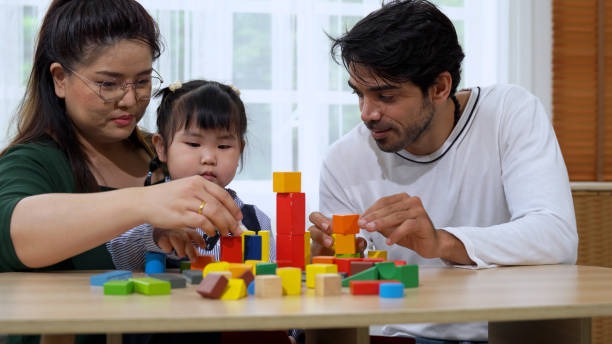
The social aspect of educational games cannot be overlooked. They often serve as a bridge between family and friends, bringing people together in the spirit of fun and collaboration. Game nights can become a cherished tradition, where laughter and learning go hand in hand. These shared experiences foster connections and create lasting memories, all while reinforcing valuable skills. Engaging with loved ones through play can strengthen relationships and build a supportive network that encourages lifelong learning.
As we explore the benefits of educational games, it’s essential to remember that not all games are created equal. Choosing the right game involves considering the age, interests, and learning objectives of the player. It’s helpful to look for games that are not only entertaining but also align with educational goals. Many games are designed with input from educators, ensuring that they provide meaningful learning experiences. Parents and educators can play a pivotal role in guiding learners toward games that will enrich their educational journey.
In a world where distractions abound, educational games offer a refreshing alternative to traditional learning methods. They invite curiosity, foster creativity, and build critical thinking skills—all while keeping the spirit of play alive. As families and educators embrace these tools, they contribute to an enriching learning atmosphere that prioritizes engagement and joy.
Ultimately, the goal of education is not just to impart knowledge but to inspire a lifelong love of learning. Educational games have the power to ignite that passion, transforming the way we approach education. By incorporating these playful elements into our learning experiences, we can create a world where curiosity flourishes, and the joy of discovery is celebrated. Whether through digital platforms or board games shared around the dinner table, the journey of learning can be a delightful adventure for everyone involved.
As we continue to explore innovative ways to educate and engage, let’s remember the simple truth: learning can be fun. With educational games, we have the opportunity to foster a love of learning that lasts a lifetime, creating a brighter future for all.