In a world brimming with information and technology, finding ways to engage children in meaningful learning can sometimes feel like a challenge.
However, for kids who possess a natural curiosity and an adventurous spirit, playful learning emerges as a delightful solution.
This approach not only nurtures their inquisitive minds but also fosters a love for exploration that can last a lifetime.
Playful learning is about blending education with fun, allowing children to discover, create, and engage with the world around them in a way that feels organic and enjoyable. It encourages them to ask questions, experiment, and think critically while they play. This method is especially beneficial for children who thrive on exploration, as it aligns with their intrinsic desire to learn through experience.
Imagining a world of possibilities can be a wonderful starting point. Picture a child digging in the backyard, unearthing treasures of nature. Each rock, leaf, and insect offers a gateway into the vast realm of biology, geology, and ecology. These moments can be transformed into learning experiences by simply asking questions: What do you think this rock is made of? How do you think that insect survives? This gentle guidance helps children learn to observe closely and think analytically.
The beauty of playful learning lies in its versatility. It can take many forms, from outdoor adventures to indoor crafts. For instance, nature walks can become treasure hunts, where kids search for specific leaves or rocks, learning about different species along the way. In the kitchen, cooking can turn into a science experiment, where measuring ingredients becomes a lesson in math and chemistry. Each activity can be infused with learning without the pressure of traditional education settings.
Creating an environment that encourages exploration is key. A home filled with books, art supplies, and outdoor space can inspire creativity and curiosity. Simple things like a magnifying glass or a set of building blocks can lead to hours of imaginative play. Parents can facilitate this by being present and engaged, asking open-ended questions, and expressing enthusiasm for their child’s discoveries.
Imaginative play is another essential aspect of playful learning. When children engage in role-playing, whether it’s pretending to be a doctor, a chef, or an astronaut, they explore different perspectives and scenarios. This kind of play helps develop social skills, empathy, and emotional intelligence. It can also serve as a safe space for them to process their feelings and experiences, allowing them to navigate their world more effectively.
Art and creativity are powerful tools in the playful learning toolkit. Painting, drawing, and crafting not only foster creativity but also enhance fine motor skills. Children can express their thoughts and feelings through their creations, making art a vital form of communication. Encouraging children to experiment with different materials can lead to unexpected discoveries and a deeper appreciation for the creative process.
Music and movement also play significant roles in this approach. Dancing, singing, and playing instruments can enhance cognitive development while allowing children to express themselves. Music can introduce concepts like rhythm, melody, and even language, making it a joyful way to learn. Incorporating movement into learning, whether through dance or outdoor play, can enhance memory and understanding, as children often remember concepts better when they are physically engaged.
Community and social interaction are equally important in playful learning. Group activities, whether in a classroom, community center, or at home with friends, can deepen children’s understanding of teamwork and collaboration. These experiences teach them how to share, negotiate, and respect diverse perspectives. Engaging in community projects or local events can also ignite a sense of belonging and purpose, encouraging children to explore their interests in a broader context.
As children grow, the world around them continues to change, and so do their interests. It’s crucial to remain adaptable and responsive to their evolving passions. Encouraging them to pursue what excites them can lead to lifelong learning habits. Whether they develop an interest in science, art, or sports, supporting their explorations fosters independence and self-confidence.
Parents and caregivers can cultivate a spirit of inquiry by modeling their own curiosity. Sharing personal interests and discoveries can be an inspiring way to show children that learning is a lifelong journey. When children see the joy and excitement that comes from exploration, they are more likely to embrace their own learning adventures.
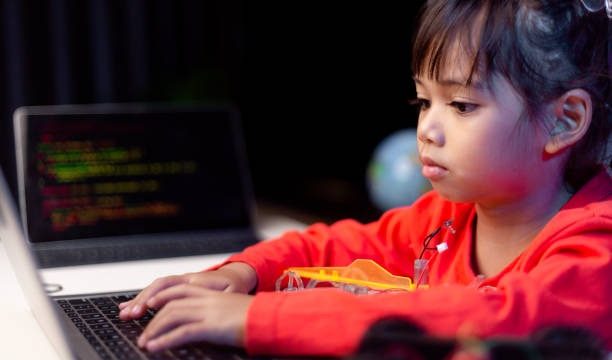
Incorporating technology into playful learning can also be beneficial, provided it is done mindfully. Educational apps and interactive games can complement hands-on activities, offering new avenues for exploration and engagement. However, balancing screen time with physical activity and real-world experiences is essential to ensure that children develop a well-rounded perspective.
Ultimately, playful learning is about creating a nurturing environment where children feel safe to explore, ask questions, and express themselves. By embracing their natural curiosity and encouraging them to engage with their surroundings, we can help them cultivate a lifelong love for learning.
As we watch our children grow and thrive, it becomes clear that the most profound lessons often come not from textbooks but from the simple joys of exploration and play. By fostering this playful spirit, we not only enrich their childhood experiences but also equip them with the skills and confidence they need to navigate the world around them.
In the end, playful learning is a celebration of childhood—a journey filled with wonder, discovery, and countless opportunities for growth. By embracing this approach, we can ensure that our children not only learn but also find joy in the process, paving the way for a bright and inquisitive future.