Early Literacy Habits That Make a Difference
In today’s fast-paced world, the importance of early literacy cannot be overstated.
The foundation of literacy begins long before a child steps into a classroom.
It’s woven into the fabric of everyday interactions and simple moments spent together.
Creating a nurturing environment for early literacy can set the stage for lifelong learning and a love for reading. Here, we explore gentle habits that can help foster early literacy skills in children, making a significant difference in their lives.
Creating a Reading Ritual
One of the most impactful ways to encourage literacy is by establishing a reading ritual. This doesn’t have to be a grand affair; it can be as simple as snuggling up with a favorite book before bedtime. When reading becomes a cherished part of the daily routine, children begin to associate books with comfort and connection. The warmth of a parent’s voice, the shared laughter over a funny character, or the excitement of turning a page can all cultivate a positive attitude towards reading.
Choosing the Right Books
Selecting the right books for young readers is another vital aspect of nurturing literacy. Picture books with vibrant illustrations and engaging stories can capture a child’s imagination. It’s essential to provide a variety of genres—stories that inspire adventure, tales that teach kindness, or even books that explore different cultures. When children see themselves reflected in stories, it enhances their understanding of the world around them and fosters empathy. Encouraging children to express their preferences and ask questions about the stories can also enrich their reading experience.
The Power of Storytelling
Storytelling is an ancient art that continues to hold immense power in our lives today. Sharing stories, whether through books or oral traditions, helps children develop their vocabulary and comprehension skills. Parents and caregivers can bring stories to life by using different voices for characters or adding sound effects. This interactive approach not only makes storytelling enjoyable but also engages children’s imaginations. Moreover, encouraging children to tell their own stories nurtures creativity and confidence in their communication skills.
Engaging in Conversations
Engaging in meaningful conversations is a cornerstone of early literacy development. From the moment a child is born, talking to them helps build their vocabulary and understanding of language. As they grow, it’s important to encourage open-ended discussions about their day, their thoughts, or their feelings. These conversations not only strengthen language skills but also enhance critical thinking. Asking questions that prompt reflection, such as “What do you think would happen next?” or “How did that make you feel?” fosters a deeper connection and understanding.
Exploring the World of Words
Introducing children to the world of words can be a delightful journey. Simple activities like word scavenger hunts around the house or neighborhood can make learning fun and engaging. Parents can create a word wall at home, featuring new words that children encounter daily. This playful approach to vocabulary helps children become more comfortable with language, making it a natural part of their environment. Celebrating small achievements, like learning a new word, can boost their confidence and motivation.
Encouraging Writing and Drawing
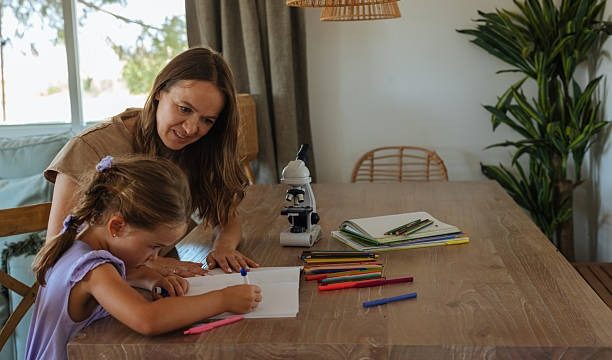
Literacy goes beyond reading; writing and drawing are equally important. Providing children with materials to express themselves—be it crayons, markers, or journals—allows them to explore their thoughts and feelings. Encourage them to write letters, create their own stories, or even keep a simple diary. This practice not only improves fine motor skills but also nurtures creativity. When children see their ideas come to life on paper, it reinforces the connection between spoken and written language.
Incorporating Technology Mindfully
In our digital age, technology plays a significant role in children’s lives. While screen time can be beneficial when used mindfully, it’s essential to strike a balance. There are many educational apps and e-books designed to enhance literacy skills. However, it’s crucial to ensure that technology complements traditional reading and writing experiences rather than replacing them. Engaging with children about what they’re learning from digital tools can help reinforce their understanding and spark discussions.
Building a Literacy-Rich Environment
Creating an environment rich in literacy experiences can make a world of difference. Filling a home with books, magazines, and even educational games encourages a love for learning. Designating a cozy reading nook can inspire children to pick up a book at any time. Parents can also model literacy habits by reading themselves, demonstrating that learning is a lifelong journey. When children see their caregivers immersed in reading, it reinforces the idea that books hold value and joy.
Celebrating Progress
Every child develops at their own pace, and it’s crucial to celebrate each milestone, no matter how small. Whether it’s recognizing a child’s first word, their ability to retell a story, or their enthusiasm for choosing a book, acknowledging these achievements fosters a positive attitude towards learning. Creating a “literacy celebration” at home, where children can showcase their favorite books or stories, can instill a sense of pride and accomplishment.
Nurturing a Lifelong Love for Learning
Ultimately, the goal of cultivating early literacy habits is to nurture a lifelong love for learning. By creating a supportive, engaging, and interactive environment, parents and caregivers can instill a passion for reading and writing that lasts well into adulthood. The habits formed in these early years can shape a child’s future, opening doors to new ideas, cultures, and opportunities.
In the end, it’s the small, consistent actions that make the most significant impact. By embracing these early literacy habits, we can guide our children on a journey filled with discovery, creativity, and a profound appreciation for the written word. In cultivating these habits, we not only enrich their lives but also create cherished memories that will last a lifetime.