Personalized Learning Strategies for Special Education
In today’s diverse educational landscape, the concept of personalized learning has emerged as a beacon of hope for many students, especially those in special education.
The journey of learning is not a one-size-fits-all experience, and tailoring educational approaches to meet individual needs can make a world of difference.
This article explores the gentle art of personalized learning strategies, aiming to create a nurturing environment where every student can thrive.
Understanding the Unique Needs of Each Learner
Every child is unique, possessing a distinct blend of strengths, interests, and challenges. In special education, understanding these individual differences is crucial. Teachers and caregivers play a pivotal role in recognizing how each student learns best. Whether it’s through visual aids, hands-on activities, or verbal instructions, tapping into these learning preferences can enhance engagement and comprehension.
Listening to the voices of students is also essential. Their insights can guide educators in crafting lessons that resonate on a personal level. By fostering open communication, teachers can create a safe space for students to express their thoughts and feelings about their learning experiences. This connection not only builds trust but also empowers students to take an active role in their education.
Creating a Flexible Learning Environment
A flexible learning environment is key to supporting personalized learning strategies. This means adapting the classroom space to accommodate various activities and learning styles. For instance, creating quiet corners for focused work or collaborative areas for group projects can cater to different needs. The physical setup can significantly influence how students engage with material and interact with peers.
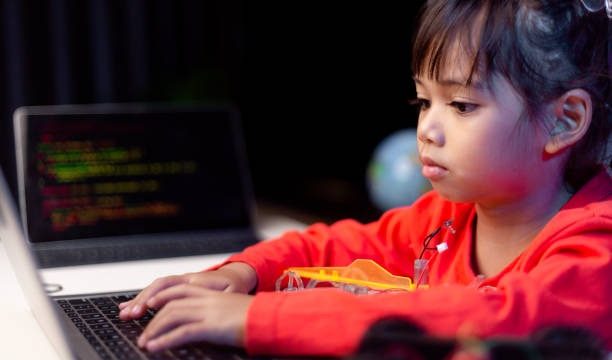
Additionally, incorporating technology can further enhance flexibility. Tools such as tablets and educational apps can provide customized learning experiences, allowing students to progress at their own pace. This adaptability is particularly beneficial for students who may need extra time or alternative methods to grasp complex concepts.
Building Strong Relationships
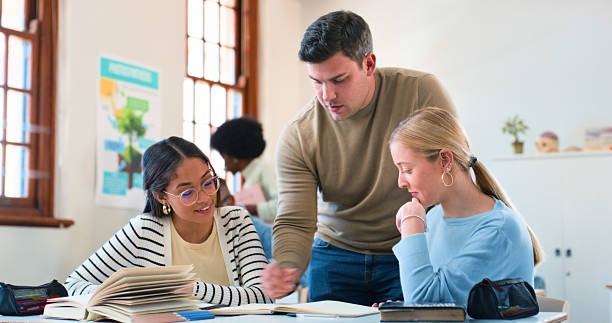
At the heart of effective personalized learning lies the power of relationships. Strong, positive connections between teachers, students, and families can foster an enriching learning experience. When educators take the time to understand their students beyond academics, they can tailor their approaches to better suit individual needs.
Collaboration with families is also vital. Parents and guardians often have invaluable insights into their child’s learning preferences and challenges. By forming partnerships, educators can create a more cohesive support system that extends beyond the classroom. Regular communication, whether through newsletters, phone calls, or meetings, ensures that everyone is on the same page and working toward common goals.
Incorporating Interests and Passions
One of the most effective ways to personalize learning is to incorporate students’ interests and passions into the curriculum. When students are engaged in topics they love, they are more likely to invest time and energy into their learning. This approach can be particularly impactful in special education, where traditional methods may not resonate as strongly.
For example, if a student has a passion for animals, integrating themes related to wildlife into lessons can spark curiosity and motivation. This not only makes learning more enjoyable but also helps to reinforce essential skills in a context that feels relevant and meaningful. By weaving personal interests into the fabric of education, teachers can create a richer, more engaging learning experience.
Embracing a Holistic Approach
Personalized learning extends beyond academic support; it encompasses the social and emotional well-being of students as well. A holistic approach recognizes that emotional health is intricately linked to academic success. Teachers can integrate social-emotional learning (SEL) into their classrooms, helping students develop skills like empathy, self-regulation, and resilience.
Activities such as mindfulness exercises, group discussions, or collaborative projects can nurture these skills. By prioritizing emotional intelligence alongside academics, educators can create a balanced environment where students feel safe, valued, and empowered to express themselves.
Encouraging Self-Advocacy
Empowering students to become self-advocates is a vital component of personalized learning. Teaching students to understand their own needs and articulate them fosters independence and confidence. This can be particularly important in special education, where students may face unique challenges.
Educators can encourage self-advocacy by providing opportunities for students to set their own goals and reflect on their progress. This process not only helps them take ownership of their learning but also prepares them for future challenges beyond the classroom. When students learn to voice their needs and preferences, they become more engaged participants in their educational journey.
Celebrating Progress and Achievements
In the realm of personalized learning, celebrating progress—no matter how small—is essential. Recognizing achievements fosters a positive mindset and motivates students to continue striving for their goals. Educators can create a culture of celebration by highlighting individual successes, whether through verbal praise, certificates, or showcasing work in the classroom.
These moments of recognition serve as powerful reminders that every step forward is meaningful. Celebrating diversity in learning pathways reinforces the idea that success looks different for everyone, and that’s perfectly okay.
Fostering a Community of Support
Creating a supportive community is crucial for the success of personalized learning strategies in special education. This involves not only educators and students but also families and peers. Building a sense of belonging can help students feel more secure and confident in their learning environment.
Encouraging peer support, whether through buddy systems or collaborative projects, promotes camaraderie and understanding among students. When learners support one another, they not only enhance their academic experience but also develop important social skills that will serve them well throughout their lives.
In conclusion, personalized learning strategies in special education offer a pathway to inclusivity, engagement, and growth. By understanding individual needs, fostering relationships, and embracing a holistic approach, educators can create nurturing environments where every student can flourish. As we continue to explore innovative ways to support diverse learners, let us remember that the heart of education lies in the connections we build and the unique journeys we embark upon together.