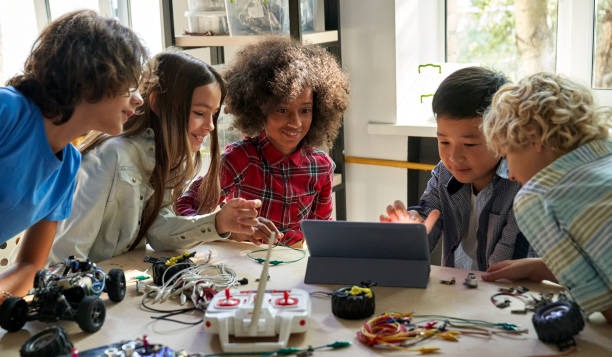
Teaching preschoolers about problem-solving is a delightful journey filled with discovery and growth.
This early stage of life is an extraordinary time when young minds are eager to explore the world around them.
As caregivers and educators, we have the wonderful opportunity to guide them through the complexities of problem-solving, a skill that will serve them throughout their lives.
The importance of nurturing problem-solving skills in preschoolers cannot be overstated. Children at this age are naturally curious, and they often encounter challenges that require creative thinking and resourcefulness. Whether it’s figuring out how to stack blocks without them toppling over or deciding how to share toys with friends, these small everyday challenges lay the groundwork for critical thinking.
Creating a supportive environment is essential. When children feel safe and encouraged, they are more likely to engage with problems rather than shy away from them. A calm and inviting space, filled with age-appropriate materials, can inspire exploration. Simple items like building blocks, puzzles, and art supplies can become tools for problem-solving. By providing these resources, we enable children to express their ideas and test their solutions in a playful manner.
One effective approach is to model problem-solving in real-life situations. Children learn immensely by observing adults. When faced with a challenge, narrate your thought process. For instance, if you encounter a minor issue while cooking, share your thoughts aloud: “Hmm, I forgot to buy the tomatoes. I can either go to the store or use a different ingredient.” This not only shows them that problem-solving is part of everyday life but also encourages them to verbalize their thoughts when faced with challenges.
Play is an invaluable tool for teaching problem-solving. Engaging in games that require strategic thinking can be both fun and educational. Activities like building a fort with blankets and cushions can prompt discussions about stability and design. As children experiment, they learn to assess what works and what doesn’t, refining their problem-solving skills in the process.
Encouraging collaboration is another beautiful way to teach problem-solving. When preschoolers work together on a project, they share ideas and brainstorm solutions. This not only enhances their ability to think critically but also fosters social skills. Simple group activities, such as a treasure hunt where children must work together to find clues, can be incredibly beneficial. They learn to communicate, negotiate, and listen to different perspectives, all of which are essential components of effective problem-solving.
It’s also important to celebrate effort rather than just the outcome. When children solve a problem, acknowledge their process, regardless of whether they reached the “correct” solution. This reinforces the idea that making mistakes is a natural part of learning. Encouraging a growth mindset by saying things like, “I love how you tried different ways to stack those blocks!” helps children feel valued and motivates them to keep trying, even when faced with difficulties.
As children engage in problem-solving, they often encounter frustration. It’s essential to guide them through these feelings rather than allowing them to give up. Teaching them techniques to manage their emotions can be incredibly beneficial. Simple breathing exercises or taking a short break can help them regain focus and approach the problem with renewed energy. This not only aids in solving the immediate issue but also equips them with coping strategies they can use in the future.
Incorporating storytelling into lessons can also spark problem-solving skills. Reading books that feature characters facing challenges encourages children to think critically about the story. Ask questions like, “What do you think the character should do next?” or “How would you solve that problem?” This not only enhances comprehension but also invites them to explore various solutions through imaginative thinking.
As they grow, preschoolers will encounter increasingly complex problems. It’s vital to adapt our approach as they develop. Providing opportunities for more open-ended questions can stimulate their critical thinking. Instead of asking, “What color do you want to use?” try asking, “What do you think would happen if we mixed these colors?” This shift encourages deeper thinking and allows children to explore relationships between concepts.
Another important aspect is recognizing the individual differences in problem-solving approaches. Each child has a unique way of thinking and processing information. Some may prefer hands-on activities, while others might excel in verbal reasoning. Being attuned to these differences allows us to tailor our guidance, ensuring that each child feels empowered in their problem-solving journey.
Creating an atmosphere of curiosity and exploration is a beautiful way to foster problem-solving skills. Encourage questions and celebrate the quest for knowledge. When children feel that their inquiries are valued, they are more likely to engage deeply with the world around them. This intrinsic motivation is key to developing lifelong problem-solving skills.
As we navigate this process with our preschoolers, it’s essential to remember that teaching problem-solving is not just about the immediate outcomes. It’s about nurturing a mindset that embraces challenges as opportunities for growth. The skills they develop today will serve them well into the future, equipping them to face the complexities of life with confidence and creativity.
In conclusion, teaching preschoolers about problem-solving is an enriching experience that shapes their development in profound ways. By creating a supportive environment, modeling effective strategies, and encouraging collaboration, we help them build a strong foundation for critical thinking. As they explore, experiment, and express themselves, we witness the blossoming of their creativity and resilience. In this beautiful journey of learning together, we not only teach them how to solve problems but also instill a love for learning that will last a lifetime.