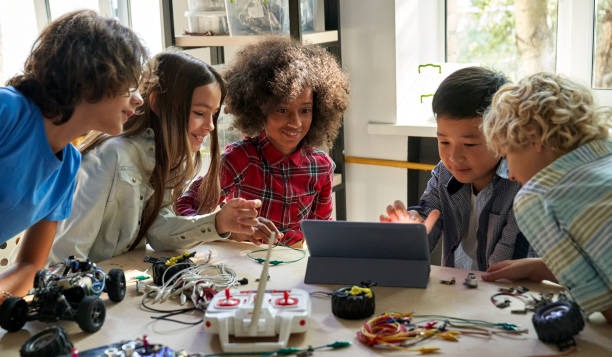
Developing Emotional Intelligence Through Play
In a world that often prioritizes productivity over personal connection, the importance of emotional intelligence is becoming increasingly recognized.
Emotional intelligence, often abbreviated as EQ, encompasses our ability to understand, use, and manage our own emotions while also recognizing and influencing the emotions of others.
It plays a crucial role in our relationships, decision-making, and overall well-being. One of the most delightful and effective ways to foster emotional intelligence is through play. This article explores the enriching journey of developing emotional intelligence through playful experiences, highlighting its benefits for both children and adults.
The essence of play is often seen as a childhood pastime, but its impact stretches far beyond early years. Engaging in play can serve as a powerful tool for emotional development at any age. When we immerse ourselves in playful activities, we tap into a state of mind that is open, curious, and less constrained by the pressures of daily life. This openness creates fertile ground for emotions to surface, be explored, and understood.
When children engage in play, they naturally encounter a range of emotions. Whether they are building a fort, playing dress-up, or participating in a game, they experience joy, frustration, excitement, and even disappointment. These experiences provide valuable lessons in emotional regulation. For instance, when a child loses a game, they are presented with an opportunity to practice resilience and learn how to cope with disappointment. Similarly, when they celebrate a win, they experience the joy of achievement, which can enhance their ability to empathize with others’ feelings and experiences.
As adults, we often overlook the importance of play in our lives, yet incorporating playful elements can be transformative. Engaging in activities that spark joy and creativity can help adults reconnect with their inner child, allowing them to experience emotions more freely. Activities such as board games, improvisational theater, or even playful sports can offer unique opportunities to practice empathy, teamwork, and emotional expression. In these settings, we learn to navigate social dynamics, share our feelings, and understand others’ perspectives, all of which are essential components of emotional intelligence.
A small shift toward balance can be found in how we approach relationships. When we incorporate playfulness into our interactions, we create an environment where vulnerability can flourish. This is particularly important in building deeper connections with others. Light-hearted banter, playful teasing, and shared laughter can break down barriers, making it easier to express feelings and communicate openly. When we allow ourselves to be playful, we signal to others that it’s safe to share their emotions too, fostering a mutual understanding that enhances our relationships.
Play also provides a unique avenue for self-discovery. Through playful exploration, we can uncover our emotional triggers and learn more about ourselves. For example, engaging in creative activities like painting or writing can help us express emotions that are often difficult to articulate verbally. These artistic outlets offer a safe space to explore feelings, leading to greater self-awareness and emotional regulation. As we engage with our emotions in this way, we become more adept at recognizing them in others, enhancing our empathy and understanding.
Incorporating play into our daily lives doesn’t require grand gestures; even small moments can make a significant impact. Consider setting aside time for family game nights, engaging in playful conversations with friends, or even allowing yourself to be silly in moments of stress. These simple acts can cultivate a sense of joy and connection, reinforcing the emotional bonds that are essential for our well-being.
Moreover, play can serve as a wonderful stress reliever. In today’s fast-paced world, stress can often cloud our emotional awareness and hinder our ability to connect with others. Engaging in playful activities allows us to step back from our worries, providing a much-needed respite. Whether it’s a spontaneous dance party in the living room or a weekend adventure in nature, these moments of joy can rejuvenate our spirits and enhance our emotional resilience.
As we navigate the complexities of life, it’s essential to remember that developing emotional intelligence is a lifelong journey. Embracing play as a tool for this journey can enrich our experiences and deepen our understanding of ourselves and others. Whether you’re a parent looking to nurture your child’s emotional growth or an adult seeking to enhance your own emotional skills, play offers a pathway filled with potential.
It’s important to approach this journey with an open heart and a willingness to explore. Allow yourself to be vulnerable, to laugh, and to connect with others in meaningful ways. As you engage in playful activities, take note of the emotions that arise—both in yourself and in those around you. This awareness can lead to profound insights and foster deeper connections, ultimately enhancing your emotional intelligence.
In conclusion, the transformative power of play is not to be underestimated. By embracing play as a means of developing emotional intelligence, we open ourselves to a world rich with possibilities. Through play, we can navigate the complexities of our emotions, build meaningful connections, and cultivate a deeper understanding of ourselves and others. So, let’s rediscover the joy of play and embark on this enriching journey toward emotional growth together.