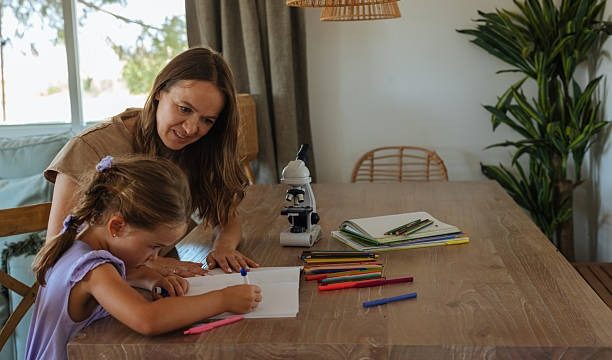
Fostering cooperation and teamwork in preschool can be one of the most rewarding aspects of early childhood education.
At this tender age, children begin to develop their social skills, learning how to interact with their peers in meaningful ways.
Encouraging a spirit of collaboration not only enhances their learning experience but also lays a strong foundation for their future relationships and interactions.
Creating a supportive environment is essential. Young children thrive when they feel safe and valued. When they enter a classroom where their contributions are acknowledged, they are more likely to engage with others positively. This sense of belonging can be nurtured through simple gestures, such as greeting each child by name or encouraging them to share their thoughts during group discussions. These small but impactful actions help children feel seen and respected, which in turn fosters a willingness to work together.
One effective strategy for promoting teamwork is through cooperative play. Activities that require children to work together toward a common goal can be highly beneficial. For instance, setting up a simple building project with blocks encourages children to communicate, share ideas, and negotiate roles. As they collaborate, they learn to listen to one another and appreciate different perspectives. This not only enhances their problem-solving skills but also cultivates empathy and understanding, key components of successful teamwork.
Incorporating games that emphasize cooperation can also be a delightful way to teach teamwork. Activities like parachute play or group art projects invite children to collaborate while having fun. These games allow them to experience firsthand the joy of working together, learning that success is often sweeter when shared. As they giggle and cheer each other on, they build bonds that can last well beyond the preschool years.
A small shift toward balance can also make a significant difference in how children approach teamwork. Teaching children to take turns is a fundamental aspect of cooperation. By creating opportunities for turn-taking, whether during playtime or in classroom activities, children learn patience and the importance of allowing others to shine. This balanced approach not only fosters teamwork but also encourages self-regulation, as children begin to understand that their actions can impact their peers.
Modeling cooperative behavior is another powerful tool. Children often learn best through observation. When educators and caregivers demonstrate teamwork, children are more likely to emulate these behaviors. Whether it’s a teacher collaborating with another staff member or engaging in a group activity with the children, these moments become teachable instances. Sharing stories about working together, whether in the classroom or during everyday life, can also inspire children to value cooperation.
Creating a culture of appreciation is essential for nurturing cooperation. Acknowledging collaborative efforts, no matter how small, reinforces the idea that working together is something to be celebrated. Simple phrases like “I loved how you both worked together on that project” can go a long way in encouraging children to continue collaborating. This positive reinforcement helps them recognize the value of teamwork and motivates them to engage with their peers.
The role of conflict resolution in fostering cooperation cannot be overlooked. Disagreements are a natural part of any group dynamic, and preschoolers are no exception. Teaching children how to navigate conflicts constructively is crucial. Encouraging them to express their feelings and find solutions together helps them develop critical social skills. By guiding them through these moments, educators can help children learn that disagreements can be resolved through communication, compromise, and understanding.
Incorporating stories and literature into the preschool curriculum can also enhance cooperative skills. Books that revolve around themes of teamwork, friendship, and problem-solving can spark discussions and inspire children to engage with one another. After reading a story, educators can facilitate conversations about the characters’ actions and choices, encouraging children to reflect on their own experiences and how they can apply these lessons in their interactions.
Nature-based activities can provide a wonderful backdrop for encouraging teamwork as well. Outdoor play offers countless opportunities for children to collaborate. Whether they are building a fort, digging in the sand, or exploring a garden, these activities naturally lend themselves to cooperation. Being in nature fosters a sense of wonder and curiosity that can ignite teamwork as children share discoveries and work together to create their own adventures.
As children grow and their social skills develop, the importance of teamwork becomes increasingly evident. Encouraging cooperation in preschool not only enhances their immediate learning experiences but also equips them with skills that will serve them throughout their lives. The ability to work well with others is a valuable asset in any setting, whether at school, at home, or in future workplaces.
In nurturing a spirit of cooperation, we are not just fostering teamwork; we are helping to shape compassionate, understanding individuals who value collaboration. The seeds of empathy, communication, and respect that are sown in preschool can blossom into strong relationships and successful partnerships as children navigate the world around them.
Ultimately, the journey of encouraging cooperation and teamwork in preschool is one filled with joy, laughter, and discovery. By creating a nurturing environment, modeling positive behaviors, and celebrating collaborative efforts, we empower young children to embrace the beauty of working together. In doing so, we lay the groundwork for a brighter, more connected future, one little step at a time.