As parents and caregivers, we often find ourselves navigating the delightful yet sometimes daunting journey of childhood education.
One of the most important aspects of this journey is supporting children as they learn basic classroom skills.
These foundational skills not only prepare them for academic success but also foster confidence and independence. Here, we explore gentle ways to guide children through this exciting phase of their development.
Creating a nurturing environment is essential for learning. Children thrive in spaces that feel safe and welcoming, where they can explore and express themselves freely. Consider setting up a dedicated area in your home that encourages learning. This could be a cozy reading nook filled with books or a table stocked with art supplies. The key is to make this space inviting and inspiring, allowing children to feel excited about learning.
Another important aspect of supporting children is engaging them in conversations about their interests. When children feel heard, they are more likely to develop a love for learning. Ask open-ended questions about their day at school or their favorite subjects. This dialogue not only strengthens your bond but also helps you understand their learning preferences. Some children may thrive with visual aids, while others might prefer hands-on activities. By tuning into their unique styles, you can better support their educational journey.
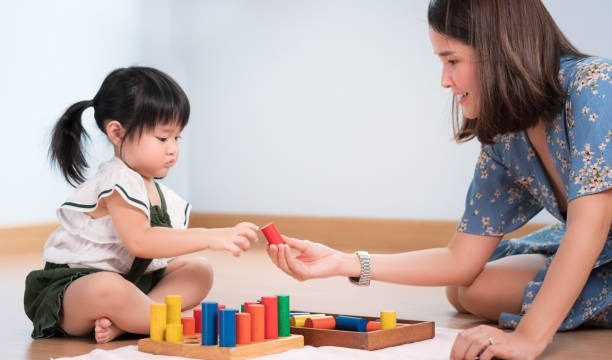
Incorporating play into learning is a wonderful way to make basic classroom skills enjoyable. Children often learn best through play, as it allows them to explore concepts in a natural and engaging way. Simple activities like building with blocks can enhance spatial awareness and problem-solving skills, while role-playing scenarios can improve communication and social skills. Encourage imaginative play that reflects real-life situations, such as setting up a mini grocery store or a classroom at home. These playful experiences can make learning feel less like a chore and more like an adventure.
A small shift toward balance is also essential for fostering a positive learning experience. While it’s important to encourage academic skills, it’s equally crucial to allow time for relaxation and free play. Children need opportunities to unwind, as this helps them process what they’ve learned and recharge their minds. Consider establishing a routine that includes both structured learning and ample free time. This balance can create a sense of stability and predictability, which is comforting for young learners.
As children begin to master basic classroom skills, celebrating their achievements, no matter how small, can be incredibly motivating. Acknowledgment of their efforts fosters a growth mindset, encouraging them to embrace challenges rather than shy away from them. Whether it’s completing a homework assignment or successfully sharing a story in front of the class, take a moment to recognize their hard work. This can be as simple as a warm hug, a few kind words, or even a small treat to mark the occasion. These moments of recognition can build a child’s confidence and reinforce their love for learning.
Encouraging independence is another vital element in supporting children’s development of classroom skills. Allowing them to take on responsibilities, such as packing their own school bag or choosing their own outfits, can help them feel more in control of their learning environment. While it may be tempting to step in and help, giving them the space to try things on their own fosters resilience and self-sufficiency. It’s important to strike a balance between guidance and independence, offering support when needed while also allowing them to navigate challenges.
In our increasingly digital world, it’s worth considering the role of technology in learning. Educational apps and online resources can complement traditional learning methods, making it easier for children to grasp new concepts. However, moderation is key. Encourage screen time that is interactive and educational, and always pair it with discussions about what they are learning. This not only reinforces their skills but also helps them develop critical thinking about the information they encounter online.
One of the most powerful ways to support children as they learn is by fostering a love of reading. Reading together can open up new worlds for children, enhancing their vocabulary and comprehension skills. Make reading a daily ritual, whether it’s snuggling up with a bedtime story or exploring a new book during the day. Encourage them to share their thoughts about the stories, which can help develop their analytical skills and boost their confidence in expressing ideas.
As we guide our children through the learning process, it’s important to remember that every child is unique. What works for one may not work for another, and that’s perfectly okay. Being patient and adaptable is key. Embrace the journey, recognizing that learning is not always a straight path. There will be ups and downs, and that’s part of the beauty of growth. By being present and supportive, you can help your child navigate these twists and turns with grace.
Ultimately, the goal is to cultivate a lifelong love of learning in our children. By creating a supportive environment, engaging in meaningful conversations, incorporating play, and celebrating achievements, we can guide them toward mastering basic classroom skills. As they develop these skills, they will not only become more prepared for school but also more confident in their ability to take on new challenges. In this way, we can empower them to become curious, capable learners who embrace the world around them with open hearts and eager minds.