Building Early Memory Skills That Help in School
As children embark on their educational journey, the ability to remember and retain information becomes paramount.
Early memory skills lay the groundwork not just for academic success but also for social interactions and personal growth.
Nurturing these skills can be a delightful experience for both children and their caregivers. In this exploration, we’ll delve into simple yet effective strategies to enhance memory skills that can make a significant difference in a child’s learning experience.
Creating a nurturing environment is the first step toward fostering memory skills. Children thrive in spaces that are not only safe but also stimulating. A cozy reading nook filled with books, colorful art supplies, or even a quiet corner where they can explore their thoughts can encourage curiosity and engagement. This environment acts as a backdrop for learning, where memory skills can blossom naturally.
Engaging in conversations is another gentle yet powerful way to enhance memory. When caregivers talk with children about their day, share stories, or even discuss their favorite topics, they are not merely filling the air with words. These interactions encourage children to listen, think, and respond, reinforcing their ability to remember details. Asking open-ended questions can also spark their imagination, prompting them to recall past experiences and articulate their thoughts. This process not only builds memory but also strengthens language skills and confidence.
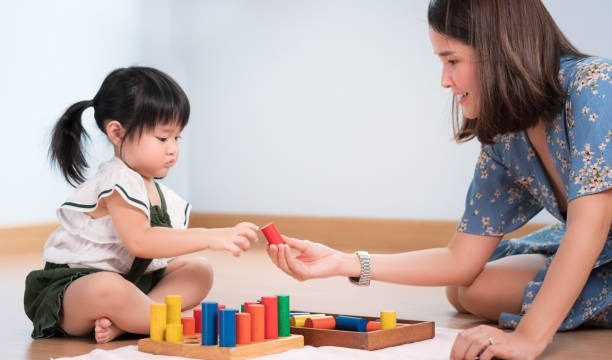
Play is often regarded as the language of childhood, and it plays a crucial role in developing memory. Games that involve matching, sorting, or recalling sequences can be particularly beneficial. Simple card games or memory matching games can turn learning into a joyful experience. As children engage in these activities, they are not just having fun; they are actively exercising their memory muscles. Additionally, incorporating elements of storytelling into playtime can enhance their ability to remember sequences and details, making the learning process seamless and enjoyable.
Another inviting way to boost memory skills is through music and rhythm. Songs and rhymes are not only entertaining but also serve as excellent memory aids. The catchy tunes and repetitive lyrics help children remember information more easily. Singing songs related to numbers, letters, or even historical facts can transform learning into a lively experience. Engaging children in music-making activities, whether through instruments or clapping hands, can further deepen their connection to memory through rhythm and repetition.
Exploring the world around them is a wonderful avenue for enhancing memory skills. Nature walks, visits to museums, or even trips to the local market can provide rich sensory experiences that are ripe for memory retention. Encouraging children to observe their surroundings, ask questions, and share what they’ve learned reinforces their ability to remember and connect information. These experiences create lasting memories that go beyond the classroom, enriching their understanding of the world.
Establishing routines can also play a vital role in memory development. Children thrive on consistency, and having a structured daily routine helps them feel secure. Incorporating specific activities, like storytime before bed or a recap of the day’s events during dinner, can enhance their ability to remember. By making these routines a part of their lives, children can anchor their memories to familiar patterns, making it easier to recall information when they need it.
Visual aids can be a gentle companion in the journey of memory enhancement. Utilizing charts, drawings, or even colorful flashcards can provide visual cues that help children remember information more effectively. When children can see and interact with what they are learning, they are more likely to retain it. Creating a memory wall at home, where they can display their favorite drawings, words, or achievements, can also serve as a tangible reminder of their learning journey.
Encouraging mindfulness and relaxation techniques can also contribute positively to memory skills. Simple breathing exercises or short moments of quiet reflection can help children focus and clear their minds. When they learn to manage distractions, they become more adept at retaining information. Introducing these practices in a playful manner, such as pretending to blow away clouds or listening to the sound of nature, can make mindfulness an enjoyable part of their routine.
Celebrating small achievements is crucial in building confidence and memory skills. Acknowledging when a child remembers something important or shares a story can reinforce their efforts. Simple praise or rewards can motivate them to keep trying. This positive reinforcement creates a supportive atmosphere where children feel valued and encouraged to explore their memory capabilities further.
As we nurture early memory skills, it’s essential to remember that every child is unique. What works for one may not resonate with another, and that’s perfectly okay. Observing their interests and preferences can guide caregivers in selecting activities that align with their natural inclinations. Whether it’s through art, storytelling, or outdoor adventures, the key is to create an engaging and loving environment where memory skills can flourish.
Ultimately, building early memory skills is about weaving learning into the fabric of daily life. By fostering curiosity, encouraging exploration, and creating a supportive atmosphere, we can help children develop the memory skills that will serve them well in school and beyond. As they grow, these skills will not just be tools for academic success but also a foundation for lifelong learning. Embracing this journey with warmth and patience can make all the difference, transforming memory building into a joyful adventure for both children and their caregivers.