In a world where knowledge is often viewed as a mere commodity, students have the unique opportunity to engage in knowledge competitions that enrich their learning experiences in profound ways.
These competitions, whether they take the form of quiz bowls, science fairs, or academic decathlons, serve as more than just platforms for showcasing intellect.
They offer a vibrant space for personal growth, social interaction, and skills development, ultimately shaping well-rounded individuals ready to navigate the complexities of the world.
One of the most significant benefits of participating in knowledge competitions is the enhancement of critical thinking skills. In a classroom setting, students often encounter a structured learning environment where answers are clear-cut and lessons are straightforward. However, competitions introduce an element of unpredictability and challenge. Participants must think on their feet, analyze information rapidly, and apply their knowledge in innovative ways. This dynamic fosters a deeper understanding of subjects, as students learn to connect concepts and think critically about the information at hand.
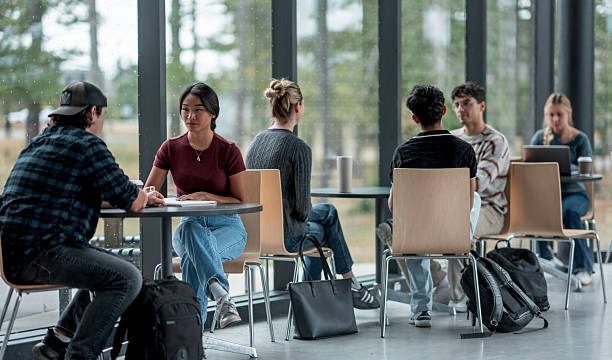
Beyond the intellectual stimulation, knowledge competitions also encourage teamwork and collaboration. Many of these events require students to work in groups, fostering a sense of camaraderie and shared purpose. In these collaborative settings, students learn to communicate effectively, respect diverse opinions, and negotiate different viewpoints. This experience is invaluable, as it mirrors the collaborative nature of the modern workplace, where teamwork is often essential for success. The friendships formed during these competitions can also last a lifetime, providing a supportive network of peers who share similar passions and interests.
Another notable advantage of engaging in knowledge competitions is the boost in confidence that comes from stepping out of one’s comfort zone. For many students, the prospect of competing can be daunting. However, facing these challenges head-on allows them to build resilience and self-esteem. Whether they win or lose, the experience of participating is transformative. It teaches them that effort and perseverance matter more than the outcome, and this lesson can be applied to various aspects of life. The courage to take risks and the ability to handle both success and failure are qualities that will serve them well beyond their academic years.
In addition to personal growth, knowledge competitions often open doors to new opportunities. Many competitions are sponsored by educational institutions, corporations, or non-profit organizations that offer scholarships, internships, and other resources to participants. These opportunities can significantly impact a student’s academic and professional trajectory. The recognition gained from performing well in these competitions can also enhance a student’s resume, making them more attractive to universities and employers alike.
Participation in knowledge competitions can also ignite a passion for lifelong learning. When students engage in a competitive environment, they are often motivated to delve deeper into subjects that interest them. This intrinsic motivation can lead to a broader pursuit of knowledge, encouraging students to explore areas they may not have considered otherwise. The joy of discovery and the thrill of learning can become a driving force in their lives, inspiring them to seek out new challenges and experiences.
As students prepare for competitions, they also develop essential organizational and time-management skills. Balancing the demands of competition preparation with regular schoolwork requires discipline and planning. Students learn to prioritize tasks, set goals, and manage their time effectively, skills that are crucial for success in both academic and professional settings. This newfound ability to juggle multiple responsibilities can alleviate stress and foster a sense of control over their lives.
Moreover, knowledge competitions can bridge the gap between various disciplines, encouraging interdisciplinary learning. For instance, a science competition may require participants to incorporate elements of mathematics, technology, and even art into their projects. This blending of subjects promotes a holistic approach to education, where students recognize the interconnectedness of knowledge. Such experiences can inspire creative thinking and innovation, essential traits in today’s ever-evolving world.
In a broader context, knowledge competitions can also foster a sense of community and belonging. Many schools and organizations host these events, bringing together students from diverse backgrounds and experiences. This melting pot of ideas and perspectives enriches the learning experience, as students learn from one another and appreciate the value of diversity. The shared excitement of competition cultivates a spirit of collaboration and mutual respect, contributing to a more inclusive educational environment.
As students reflect on their experiences in knowledge competitions, they often find that these events have shaped not only their academic abilities but also their personal values. The emphasis on integrity, sportsmanship, and ethical competition instills a sense of responsibility and fairness. These lessons extend beyond the competition floor, influencing how students approach challenges in their everyday lives.
Ultimately, knowledge competitions serve as a microcosm of the larger world, providing students with a safe space to explore their capabilities, make connections, and grow as individuals. The skills and experiences gained from these competitions can empower students to embrace future challenges with confidence and curiosity. As they navigate their educational journeys, the lessons learned in these vibrant settings will remain with them, guiding their paths long after the final scores are tallied.
In conclusion, the benefits of knowledge competitions extend far beyond the thrill of competition itself. They cultivate critical thinking, enhance collaboration, build confidence, and inspire a love for learning. As students engage in these enriching experiences, they not only develop academic skills but also forge connections and values that will guide them throughout their lives. Embracing the journey of knowledge competition can truly be a transformative experience, paving the way for a brighter, more informed future.