In the ever-evolving landscape of education, the incorporation of art and creativity has emerged as a vital component in nurturing well-rounded individuals.
While traditional teaching methods have their merits, blending artistic expression into the curriculum can unlock a wealth of potential in students, fostering critical thinking, emotional intelligence, and a sense of community.
Embracing creativity in education creates a more engaging and enriching environment that benefits both students and educators alike.
A gentle shift toward creativity
When we think of education, we often picture classrooms filled with textbooks and standardized tests. However, integrating art into learning can transform the educational experience into something dynamic and inspiring. Art encourages students to explore their thoughts and feelings, providing them a canvas to express themselves. This opens the door to deeper understanding and connection with the material they are studying.
Whether through painting, music, dance, or drama, creative activities can be woven into various subjects, making learning more relatable and enjoyable. For instance, history lessons can be brought to life through theatrical reenactments, while scientific concepts can be illustrated through visual art projects. This approach not only enhances comprehension but also allows students to develop a personal connection to the subject matter.
The power of storytelling
Storytelling is a timeless art form that transcends cultures and generations. In an educational context, it serves as a powerful tool to engage students and stimulate their imaginations. By incorporating storytelling into lessons, educators can create vivid, memorable experiences that resonate with students on a deeper level.
Encouraging students to share their own stories fosters a sense of belonging and community within the classroom. It allows for diverse perspectives to be shared, enriching the learning environment and promoting empathy among peers. Storytelling can also be a bridge between different subjects; a science project can become a narrative about discovery, while a literature study can inspire creative writing exercises.
Cultivating emotional intelligence
Art is not just a medium for expression; it is also a pathway to understanding emotions. In a world that often emphasizes academic achievement, fostering emotional intelligence through creative outlets can be a game-changer. Engaging in artistic activities helps students develop self-awareness and empathy, key components of emotional intelligence that are essential for personal and professional success.
Art classes provide a safe space for students to explore their feelings, whether through painting a self-portrait or composing a piece of music that reflects their mood. This exploration not only enhances their emotional vocabulary but also equips them with the tools to navigate their emotions in healthy ways. As students learn to articulate their feelings, they become more adept at recognizing and understanding the emotions of others, creating a more compassionate classroom environment.
Building collaboration and community
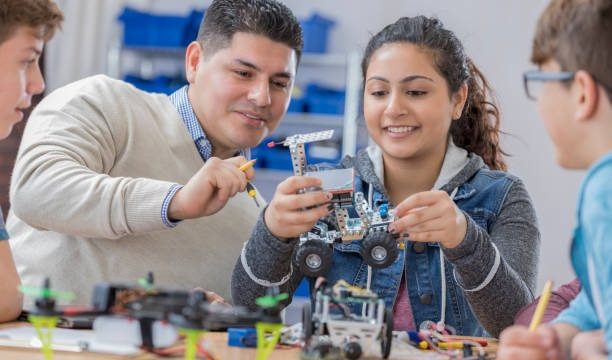
Creativity thrives in collaborative environments. When students work together on artistic projects, they learn valuable skills such as communication, cooperation, and compromise. Collaborative art projects can range from mural painting to group performances, each fostering a sense of community and shared purpose.
These experiences help students develop social skills that extend beyond the classroom. They learn to appreciate diverse perspectives and recognize the value of teamwork, preparing them for future endeavors in both their personal and professional lives. In this way, creativity in education not only nurtures individual growth but also strengthens the bonds among students, creating a supportive network that enhances the overall learning experience.
Incorporating creativity across the curriculum
One of the most beautiful aspects of art is its versatility. It can be seamlessly integrated into various subjects, enriching the curriculum and making learning more holistic. For example, mathematics can be explored through the lens of geometry in art, while language arts can be enhanced through creative writing and poetry.
Science lessons can benefit from students creating visual representations of concepts, allowing for a deeper understanding of complex ideas. By connecting art to different subjects, educators can create a more engaging and stimulating environment that caters to diverse learning styles. This approach not only captures students’ interests but also encourages them to see the interconnections between different fields of knowledge.
Encouraging self-directed learning
Creativity nurtures curiosity, and curiosity is at the heart of self-directed learning. When students are given the freedom to explore their interests through artistic endeavors, they become more invested in their education. This sense of ownership fosters a love for learning that can last a lifetime.
Educators can encourage self-directed learning by providing opportunities for students to pursue individual or group projects that align with their passions. Whether it’s creating a short film, designing an art installation, or writing a play, these projects allow students to take charge of their learning journey. This autonomy not only boosts confidence but also cultivates a sense of responsibility and accountability for their education.
The role of educators in nurturing creativity
While students play an active role in their creative journeys, educators are vital in fostering an environment conducive to artistic exploration. By embracing and encouraging creativity, teachers can inspire students to take risks and push their boundaries.
Creating a supportive atmosphere where mistakes are viewed as learning opportunities encourages students to experiment and innovate. Educators can also seek out professional development opportunities to enhance their own understanding of integrating art into their teaching practices. This commitment to personal growth can have a profound impact on the classroom culture and the students’ creative experiences.
In conclusion, the integration of art and creativity in education is not merely a trend; it is a transformative approach that enriches the learning experience. By fostering emotional intelligence, collaboration, and self-directed learning, we prepare students for a future where creativity is not just valued but essential. As we continue to navigate the complexities of education, let us remember the power of creativity to inspire, connect, and empower the next generation. Embracing art in education is not just about teaching; it is about nurturing the whole child, allowing them to flourish in a world that needs their unique voices and visions.