In today’s digital age, coding has become a vital skill, not just for adults in tech jobs but for kids eager to explore, create, and innovate.
With technology woven into the fabric of our everyday lives, introducing children to coding can open up a world of possibilities.
It’s not just about learning to write lines of code; it’s about nurturing creativity, problem-solving skills, and a sense of accomplishment.
The beauty of coding is that it doesn’t require a formal classroom setting. Children can embark on their coding journey from the comfort of home, using a wealth of resources available online. For parents looking to inspire their young ones, there are numerous avenues to explore that can make coding a fun and engaging experience.
A gentle introduction to coding can begin with play. Many resources are designed to introduce coding concepts through games and interactive platforms. Websites like Scratch and Code.org provide a playful environment where kids can create their own stories, animations, and games. These platforms use visual programming languages, allowing children to drag and drop blocks of code to create their projects. This method not only makes learning intuitive but also allows kids to see immediate results, which can be incredibly motivating.
As they engage with these platforms, children can start to grasp fundamental concepts such as sequencing, loops, and conditionals. These building blocks of programming are often hidden within the playful activities they’re enjoying. It’s a fascinating way for kids to learn without even realizing they are doing so, as they experiment and explore.
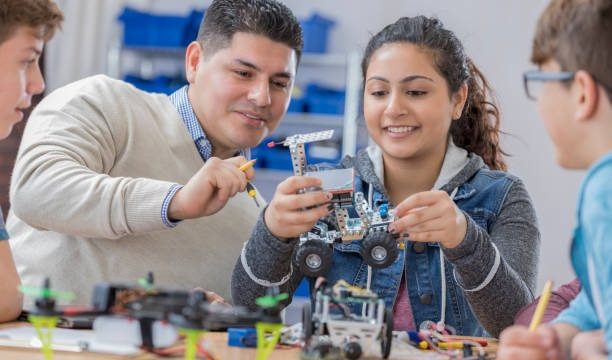
In addition to online resources, coding toys have emerged as a wonderful way to blend learning with play. Products like LEGO Mindstorms and Osmo Coding offer hands-on experiences that make coding tangible. Children can build physical robots or characters and then program them to perform tasks. This tactile approach can be particularly appealing to younger kids who thrive on interaction and creativity.
Cultivating a curious mindset is essential for young coders. Encourage your child to ask questions and explore the “why” behind things. Why does a certain piece of code create a specific outcome? Why does a game behave in a particular way? This curiosity can lead them to experiment further, fostering a deeper understanding of coding principles.
As kids become more comfortable with basic coding concepts, they may want to dive deeper into the world of programming languages. Python, for instance, is often recommended for beginners due to its readability and simple syntax. There are countless online tutorials and resources available for kids to learn Python. Websites like Codecademy and Khan Academy offer interactive lessons that guide them through the process step by step.
Another enriching way to learn is through collaborative projects. Encourage your child to connect with friends or siblings who are also interested in coding. They can work together on projects, share ideas, and even troubleshoot each other’s code. This not only enhances their learning experience but also teaches them valuable teamwork skills.
It’s important to create an encouraging environment where mistakes are viewed as a natural part of the learning process. Coding can be challenging, and it’s normal for kids to run into obstacles. Celebrate their efforts and progress, no matter how small. When they encounter bugs or errors, guide them to see these moments as opportunities to learn rather than setbacks. This mindset can foster resilience and determination, traits that will serve them well beyond the realms of coding.
As your child’s skills develop, they may want to showcase their work. Creating a simple website to display their projects or sharing their games with family and friends can be incredibly fulfilling. Platforms like GitHub allow young coders to share their code and collaborate with others, providing a sense of community and belonging in the vast world of programming.
Engaging with coding communities can also be beneficial. Many local libraries and community centers offer coding clubs or workshops for kids. These gatherings provide a space for children to meet like-minded peers, learn from mentors, and participate in challenges that can further ignite their passion for coding.
While the journey into coding can be exciting, it’s essential to balance screen time with other activities. Encourage outdoor play, reading, and creative pursuits like drawing or music. A well-rounded lifestyle can enhance cognitive function and creativity, which are invaluable in problem-solving scenarios that coding often presents.
As children begin to understand coding principles, they may also explore related fields such as robotics, game development, or web design. Each of these areas offers an opportunity for further exploration and learning. By allowing them to pursue their interests within the realm of technology, you can help them discover what truly excites them.
Ultimately, the goal is not just to teach kids how to code but to empower them to think critically and creatively. Coding is a tool that can help them express their ideas and solve real-world problems, fostering a sense of agency and confidence.
In conclusion, the journey into coding can be an enriching experience for kids, filled with exploration, creativity, and a sense of accomplishment. By providing the right resources, encouragement, and opportunities for collaboration, parents can help their children embark on this exciting path. As they learn to code, they are not just acquiring a skill; they are developing a mindset that will serve them well in an ever-evolving world. Let the adventure begin, and watch as they create, innovate, and thrive in the digital landscape.