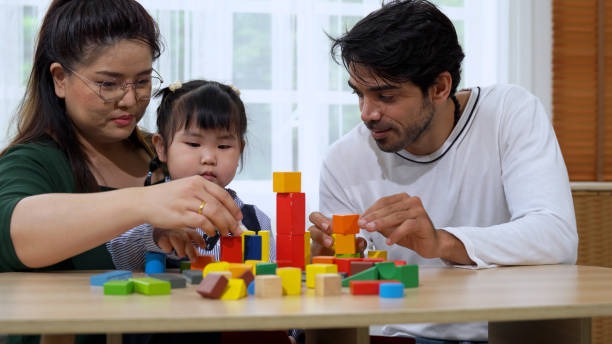
Curiosity is a natural spark in young learners, igniting their imagination and propelling them toward exploration and discovery.
As caregivers and educators, fostering this innate sense of wonder becomes a vital part of nurturing their growth.
When we encourage curiosity, we provide children with the tools they need to engage with the world around them, leading to a lifetime of learning.
Creating a nurturing environment is one of the first steps in encouraging curiosity. Children thrive in spaces where they feel safe to explore and express their thoughts. A cozy reading nook filled with books, a corner for hands-on activities, or even an outdoor space for nature exploration can inspire young minds to venture into the unknown. By inviting children into these spaces, we signal to them that their questions and explorations are valued and welcomed.
Incorporating open-ended questions into daily conversations can also stimulate curiosity. Instead of providing immediate answers, pose questions that encourage deeper thinking. For example, if a child asks, “Why is the sky blue?” instead of simply explaining the science behind it, you might respond with, “What do you think makes the sky that color?” This approach not only nurtures their natural curiosity but also helps develop critical thinking skills. Children learn to articulate their thoughts and explore different perspectives, enriching their learning experience.
Embracing the idea of inquiry-based learning can transform the way children engage with their surroundings. This method encourages them to ask questions, research answers, and reflect on their findings. Whether it’s a simple experiment in the kitchen or a nature walk where they observe plants and animals, letting kids take the lead in their learning journey fosters a sense of ownership and excitement. When children feel empowered to seek answers on their own, they become more invested in their discoveries.
A small shift toward balance can also play a significant role in nurturing curiosity. In our fast-paced world, where screens often dominate children’s attention, it’s essential to create space for unstructured play and exploration. Limiting screen time opens up opportunities for children to engage in activities that stimulate their imagination. Encourage them to build forts, create art, or simply daydream. These moments of free play are crucial for developing creativity and problem-solving skills.
Engaging with nature is another wonderful way to spark curiosity. Nature has an innate ability to captivate young minds. Taking children on nature walks, visiting parks, or even tending to a garden can foster a sense of wonder about the world. Encourage them to observe the different shapes of leaves, the sounds of birds, or the textures of bark. Ask them to share their thoughts about what they see and hear, turning each outing into a mini-adventure filled with questions and discoveries.
Storytelling is a powerful tool for nurturing curiosity. Sharing stories, whether through books, oral traditions, or even personal anecdotes, can transport children to different worlds and ignite their imagination. Encourage them to create their own stories, blending fantasy and reality. This not only fosters creativity but also gives them a platform to explore their thoughts and emotions. When children see themselves as storytellers, they begin to recognize the power of their voices and ideas.
Encouraging curiosity also means being patient and allowing children the time to explore their interests. Sometimes, young learners may fixate on a particular topic, whether it’s dinosaurs, space, or a favorite animal. Rather than redirecting their focus, embrace their passion. Provide resources, such as books or documentaries, that align with their interests. This not only validates their curiosity but also allows them to delve deeper into subjects that genuinely fascinate them.
Cultivating a sense of wonder can also be achieved through collaborative learning experiences. Engaging children in group activities, whether in a classroom or at home, encourages them to share ideas and learn from one another. This collaborative spirit can lead to exciting discussions and discoveries. When children work together, they learn to appreciate diverse viewpoints and find joy in collective exploration.
As caregivers, we can model curiosity in our own lives. Sharing our interests, asking questions, and expressing excitement about learning can inspire children to adopt a similar mindset. When they see adults actively engaged in discovering new things, whether it’s trying out a new recipe or exploring a hobby, they are more likely to emulate that behavior. This creates a culture of curiosity that can permeate the household or classroom.
It’s also essential to acknowledge that not all learning happens through structured activities. Some of the most profound discoveries occur during everyday moments. Whether it’s a trip to the grocery store or a walk in the neighborhood, everyday experiences are rich with opportunities for learning. Encourage children to ask questions about their surroundings, from how food is grown to the different cultures represented in their community. These moments can spark conversations that lead to deeper understanding and appreciation of the world.
Lastly, celebrating the process of discovery, rather than just the outcome, can further enhance a child’s curiosity. It’s important to praise their efforts, creativity, and the questions they ask along the way. This reinforces the idea that learning is a journey filled with exploration and growth. When children feel supported in their quest for knowledge, they are more likely to continue seeking answers and exploring new avenues of interest.
In conclusion, encouraging curiosity and discovery in young learners is a multifaceted approach that involves creating nurturing environments, fostering open-ended questions, and embracing the beauty of exploration. By allowing children the freedom to explore their interests and supporting their journeys, we equip them with the skills they need to navigate the world with confidence and wonder. As we cultivate their curiosity, we pave the way for a lifelong love of learning, enriching not just their lives but the world around them.