Education is often viewed through the lens of grades, scores, and achievements.
However, the true essence of education extends well beyond textbooks and exams.
It is a powerful tool that shapes not only our intellect but also our confidence. When we think about education, we should consider how it helps cultivate a sense of self-worth and assurance in our abilities. In this exploration, we will delve into the ways education enhances confidence, creating a foundation for a fulfilling life.
A nurturing environment is crucial for fostering confidence. From a young age, children thrive in settings where they feel safe to express themselves and explore their interests. Schools and educational institutions that prioritize emotional well-being create a space where students can engage with their peers and teachers without fear of judgment. This supportive atmosphere encourages learners to take risks, ask questions, and pursue their passions. When students feel valued and understood, their confidence naturally flourishes.
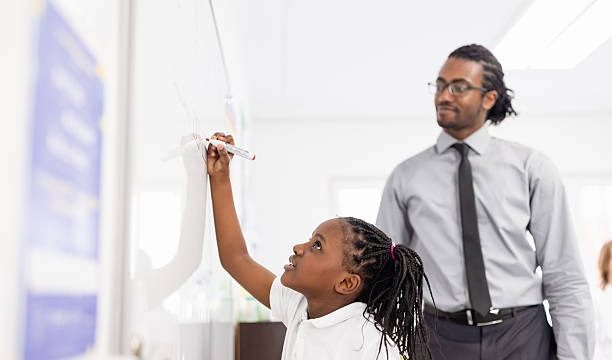
The role of encouragement in education cannot be overstated. Teachers who recognize and celebrate the unique strengths of each student help build a positive self-image. When a student receives constructive feedback and praise for their efforts, they develop a sense of accomplishment that reinforces their belief in their abilities. This cycle of encouragement can transform a timid learner into a confident individual who is eager to tackle new challenges. It’s a gentle reminder that learning is a journey, one that is enriched by the support of those around us.
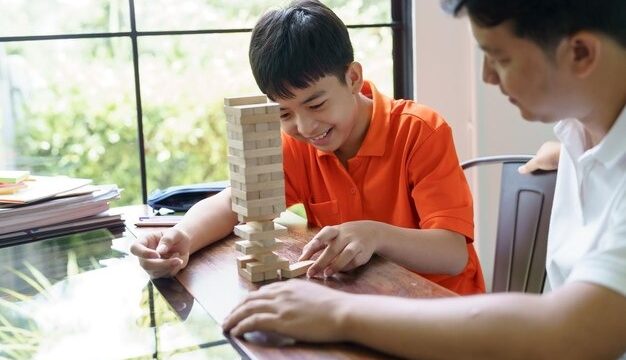
Hands-on learning experiences also play a significant role in enhancing confidence. Engaging in practical activities allows students to apply what they have learned in real-world settings. Whether it’s through science experiments, art projects, or group presentations, these experiences foster a sense of achievement. When students see the tangible results of their efforts, they gain a deeper understanding of their capabilities. This, in turn, builds their confidence to take on more complex tasks and challenges in the future.
Another important aspect of education that contributes to confidence is the development of critical thinking skills. Encouraging students to analyze, question, and evaluate information empowers them to form their own opinions and make informed decisions. As they navigate through various subjects, they learn to trust their judgment and become more self-reliant. This ability to think critically not only enhances their academic performance but also translates into greater self-assurance in their everyday lives.
Learning in collaboration with others is another enriching experience that fosters confidence. Group projects and discussions allow students to share their ideas and perspectives, promoting a sense of belonging. When individuals collaborate, they learn the value of teamwork and the importance of listening to others. This mutual respect and understanding can enhance their self-esteem, as they see the impact of their contributions on the group’s success. As they realize that their voice matters, their confidence grows, creating a ripple effect in their personal and academic lives.
A small shift toward balance is essential in the journey of education. While academic achievements are important, it’s equally vital to nurture emotional intelligence and social skills. Programs that emphasize mindfulness, resilience, and empathy help students develop a well-rounded sense of self. When they learn to manage their emotions and understand the feelings of others, they become more confident in their interactions. This balance between intellect and emotional awareness creates individuals who are not only knowledgeable but also compassionate and self-assured.
As students progress through their educational journey, it is important to recognize the role of lifelong learning in building confidence. Education doesn’t stop at graduation; it is a continuous process that extends into adulthood. Embracing new skills and experiences throughout life encourages individuals to step out of their comfort zones. Whether it’s taking a cooking class, learning a new language, or exploring a new hobby, each new endeavor contributes to personal growth and self-confidence. The more we challenge ourselves, the more we discover our potential.
The influence of role models cannot be overlooked in the conversation about confidence and education. Inspirational figures, whether they are teachers, mentors, or public figures, can motivate students to believe in themselves. Seeing someone who has overcome obstacles and achieved success can ignite a spark of ambition within learners. These role models serve as reminders that confidence is not reserved for a select few; it is attainable for anyone willing to put in the effort and dedication.
The connection between education and confidence is profound. When we approach learning as a holistic experience, we create an environment that nurtures both the mind and the spirit. Confidence is not merely a byproduct of knowledge; it is an integral part of the educational journey. By fostering supportive environments, celebrating achievements, encouraging collaboration, and promoting lifelong learning, we can help individuals unlock their true potential.
In a world that often emphasizes competition and comparison, it is essential to remember that education is about personal growth and self-discovery. Each individual’s journey is unique, and the development of confidence is a gradual process. As we continue to explore the transformative power of education, let us celebrate the moments that build our confidence and inspire us to become the best versions of ourselves. In doing so, we create a brighter future for ourselves and those around us, one rooted in self-assurance and possibility.