Eating is more than just a way to satisfy hunger.
It is an opportunity to nourish your body, connect with your senses, and enjoy the simple pleasures of life.
Balanced meals are not about strict rules, complicated recipes, or restricting foods you love. They are about creating harmony on your plate, combining a variety of foods that provide energy, nutrients, and satisfaction. Discovering the joy of balanced meals is about embracing awareness, mindfulness, and a playful curiosity for flavors, textures, and colors. When you approach eating with this perspective, mealtime can become a source of pleasure, well-being, and confidence.
The first step in experiencing the joy of balanced meals is understanding what balance really means. A balanced meal includes a combination of nutrients that support your body’s needs. Protein is essential for repairing tissues and maintaining muscles, while carbohydrates provide energy to fuel your day. Healthy fats support brain function, hormone production, and absorption of certain vitamins. Vegetables and fruits contribute fiber, vitamins, and antioxidants that promote overall health. When these components are included in meals, they create a natural rhythm of energy, satisfaction, and nourishment.
Variety is another important aspect of balance. Eating different foods ensures that your body receives a broad spectrum of nutrients. It also makes meals more enjoyable and interesting. Imagine a plate with leafy greens, vibrant vegetables, whole grains, and a protein source. Each bite offers a different texture, taste, and color. This diversity not only supports physical health but also enhances the eating experience, making each meal feel rewarding and engaging. Over time, embracing variety helps prevent monotony and encourages a more adventurous approach to food.
Mindful eating plays a key role in discovering the joy of balanced meals. Being fully present with your food allows you to notice flavors, aromas, and textures that might otherwise go unnoticed. Slow down and savor each bite, observing how your body feels and how satisfied you are with the meal. Mindfulness encourages gratitude, making you more aware of the effort that went into preparing the meal and the nourishment it provides. It also helps you recognize natural hunger and fullness cues, creating a healthier and more positive relationship with food.
Planning meals with intention can help create balance without stress. Simple strategies, such as including a variety of food groups, preparing meals in advance, or keeping wholesome ingredients on hand, make it easier to put together satisfying meals. Planning does not have to be rigid. Even a flexible approach, like choosing a combination of vegetables, grains, and proteins for each meal, can create a sense of structure while allowing creativity and spontaneity. Over time, this practice helps meals feel intentional rather than rushed or haphazard.
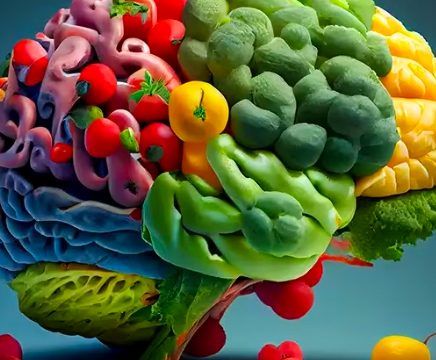
Colorful plates often reflect balanced meals. The more colors you include, the more likely you are to have a variety of nutrients. Bright reds, deep greens, vibrant yellows, and rich purples indicate a range of vitamins and antioxidants. Arranging meals with attention to color and visual appeal can make eating more enjoyable, appealing, and satisfying. A visually appealing meal often encourages slower eating and greater awareness of flavors, enhancing both nutrition and enjoyment.
Portion awareness contributes to balance as well. A meal is most satisfying when it provides enough energy without overwhelming the body. Paying attention to portions of proteins, carbohydrates, and fats helps maintain steady energy levels and prevents the discomfort of overeating. Balanced portions also make it easier to enjoy meals without guilt, supporting both physical well-being and mental ease. Learning to listen to your body’s signals can guide portion sizes naturally, allowing meals to feel satisfying and comfortable.
Incorporating whole, minimally processed foods enhances the joy of balanced meals. Fresh vegetables, fruits, lean proteins, whole grains, nuts, and seeds offer nutrients that support energy, focus, and overall health. While occasional indulgences are part of a balanced approach, prioritizing whole foods ensures that meals are nourishing and satisfying. Preparing meals at home, even in simple ways, allows you to control ingredients, explore flavors, and experience a deeper connection to the food you eat.
Hydration also plays a role in balanced meals. Water supports digestion, nutrient absorption, circulation, and cognitive performance. Including water-rich foods, such as fruits and vegetables, alongside regular water intake helps maintain energy and supports overall health. Drinking water mindfully throughout the day, especially before and during meals, can enhance digestion and contribute to a sense of fullness, making balanced eating more comfortable and enjoyable.
Emotional awareness can deepen your experience of balanced meals. Often, eating is influenced by stress, boredom, or social cues rather than hunger. Mindfulness around emotions helps you distinguish between true hunger and other signals, creating a healthier relationship with food. By acknowledging emotions without judgment, you can make food choices that genuinely support your body and mind, enhancing satisfaction and reinforcing balance.
Sharing meals with others can also amplify the joy of balanced eating. Eating with friends, family, or colleagues provides opportunities for connection, conversation, and appreciation of food as a social experience. Shared meals can inspire creativity, encourage the inclusion of different foods, and reinforce positive attitudes toward eating. By approaching meals as both nourishment and a chance for connection, the experience becomes richer and more rewarding.
Flexibility is essential in discovering the joy of balanced meals. Balance does not mean perfection. Some meals may be lighter, while others are more indulgent. Learning to embrace flexibility without guilt allows you to enjoy food freely while still supporting health and strength. This approach fosters a positive, sustainable relationship with eating, where meals are moments of nourishment and pleasure rather than stress or restriction.
Experimenting with flavors and preparation methods adds excitement to balanced meals. Simple changes, like roasting vegetables instead of steaming, adding fresh herbs, or trying new grains, can transform a familiar meal into a delightful experience. Exploring recipes from different cuisines introduces variety and encourages the inclusion of diverse nutrients. Treating meals as opportunities for exploration and creativity enhances both enjoyment and nutritional value.
Reflection is a final component of joyful balanced meals. Taking a moment after eating to notice how your body feels, how satisfied you are, and what worked well can deepen awareness and reinforce positive habits. Over time, these reflections support better choices, increased enjoyment, and a stronger sense of connection to your body and the food you eat. Recognizing what feels good allows you to make adjustments that enhance both satisfaction and health.
Discovering the joy of balanced meals is a journey rather than a destination. It involves curiosity, mindfulness, gratitude, and flexibility. It encourages awareness of hunger, fullness, and nutrition while also honoring the pleasures of taste, texture, and color. Each meal becomes an opportunity to nourish your body, cultivate enjoyment, and strengthen your relationship with food. By focusing on variety, mindful eating, portion awareness, whole foods, and creativity, balanced meals can become a source of both nourishment and delight.
Ultimately, balanced meals are about more than nutrients. They are about connection—to your body, your senses, and the food itself. When meals are approached with intention, awareness, and joy, they provide energy, satisfaction, and confidence. Embracing balance allows you to enjoy the foods you love while supporting your health, creating meals that feel both nourishing and fulfilling. With mindful attention, creativity, and flexibility, every meal has the potential to be a moment of joy, pleasure, and connection.
Discovering the joy of balanced meals transforms eating from a routine task into a meaningful experience. It encourages thoughtful choices, appreciation for food, and a sense of empowerment in daily life. By embracing variety, mindful presence, and gratitude, balanced meals can support not only physical health but also emotional well-being and satisfaction. Eating becomes an opportunity to nourish, celebrate, and enjoy, making each meal a step toward a healthier, more joyful, and more balanced life.