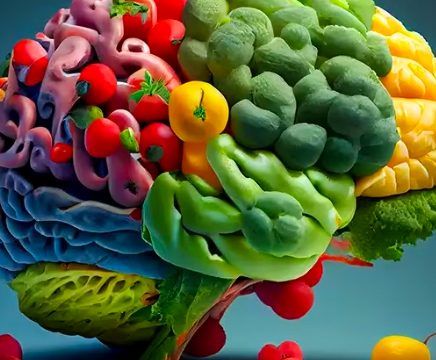
Eating habits shape our daily lives in ways we may not always notice.
They influence how much energy we have, how well we concentrate, how we feel emotionally, and how our bodies function over time.
Understanding eating habits is not about judging choices or following strict rules. It is about becoming aware of patterns, learning what supports your well-being, and making adjustments that feel realistic and sustainable. When approached with curiosity rather than pressure, understanding your eating habits can be a powerful step toward better health.
Eating habits are formed over time through routines, culture, convenience, and personal experiences. Many of us eat based on schedules shaped by work, family, or social expectations rather than hunger cues. Others may eat quickly, distracted by screens or responsibilities, without fully noticing the experience. These patterns are common and understandable, but becoming aware of them allows you to make more intentional choices. Awareness is the foundation for building habits that support both physical health and emotional balance.
One important aspect of understanding eating habits is recognizing hunger and fullness signals. Hunger is your body’s way of asking for energy, while fullness signals that your needs are being met. When meals are skipped or delayed for long periods, hunger can become intense, making it harder to choose balanced foods. On the other hand, eating past comfortable fullness can lead to discomfort and fatigue. Learning to pause, check in with your body, and respond to these signals helps create a more balanced and respectful relationship with food.
Another key factor is the timing and consistency of meals. Regular eating patterns help stabilize energy levels throughout the day. When meals are spaced evenly, the body receives a steady supply of fuel, which can support focus, mood, and digestion. Inconsistent eating, such as skipping meals and then eating large portions later, can disrupt this balance. Understanding how your body responds to meal timing allows you to create a routine that supports your daily activities and overall well-being.
The types of foods you choose also play a role in shaping eating habits. Meals that include a variety of foods tend to be more satisfying and nourishing. Vegetables and fruits provide vitamins, minerals, and fiber that support digestion and overall health. Proteins help maintain muscle and contribute to a sense of fullness. Whole grains offer steady energy, while healthy fats support brain function and satisfaction. Understanding how these foods work together can help you build meals that feel balanced without being complicated or restrictive.
Mindful eating is another valuable part of understanding eating habits. Mindfulness involves paying attention to the experience of eating, including taste, texture, and how food makes you feel. Eating slowly and without distractions allows your body time to recognize fullness and satisfaction. This practice can reduce overeating and increase enjoyment, even when portions are moderate. Over time, mindful eating strengthens awareness and helps you make choices that align with your needs rather than habits driven by stress or routine.
Emotional influences on eating are also important to recognize. Food is often connected to comfort, celebration, or stress relief. These connections are natural and do not need to be eliminated. However, understanding when emotions drive eating rather than hunger can help you respond with care. Sometimes food is part of emotional support, and other times alternative forms of comfort, such as rest or connection, may be helpful. Recognizing emotional patterns around eating encourages compassion and balance rather than guilt.
Planning and preparation can significantly shape eating habits. When nutritious foods are available and meals are planned ahead, it becomes easier to make choices that support health. Preparation does not require complex cooking or rigid meal plans. Simple actions like keeping fresh ingredients on hand, preparing meals in batches, or having easy snack options can support consistency. Understanding how preparation affects your choices helps you create an environment that encourages healthier habits naturally.
Hydration is another element that influences eating patterns. Sometimes thirst is mistaken for hunger, leading to unnecessary snacking. Drinking water regularly throughout the day supports digestion, energy levels, and overall comfort. Including hydrating foods such as fruits and vegetables also contributes to this balance. Being mindful of hydration helps clarify hunger signals and supports a more intuitive approach to eating.
Flexibility is essential for long-term healthy habits. Life is unpredictable, and eating habits need to adapt to changing schedules, social events, and personal needs. Understanding that balance is about overall patterns rather than perfection allows you to enjoy meals without stress. Occasional indulgences or changes in routine do not undo progress. What matters most is returning to supportive habits over time. This flexible mindset makes healthy eating more sustainable and enjoyable.
Social and cultural influences also shape eating habits. Meals shared with family or friends often carry emotional meaning and connection. Understanding these influences allows you to honor traditions and relationships while still supporting your health. Enjoying shared meals, trying new foods, and appreciating cultural practices can coexist with nutritious choices. When eating habits are viewed within a broader social context, they become more meaningful and less restrictive.
Understanding eating habits also involves patience. Habits develop over years, and meaningful change takes time. Small adjustments, such as eating more regularly, adding variety to meals, or slowing down during meals, can have a significant impact when practiced consistently. Progress does not require dramatic changes. Instead, steady, thoughtful shifts often lead to lasting improvements in health and well-being.
In conclusion, understanding eating habits for better health begins with awareness and compassion. By recognizing hunger and fullness cues, exploring meal timing, choosing a variety of foods, practicing mindfulness, and allowing flexibility, you can create habits that support both body and mind. Eating habits are not about rules or perfection but about patterns that evolve over time. When approached with curiosity and care, understanding your eating habits becomes an empowering process that supports energy, balance, and long-term well-being. Each meal offers an opportunity to learn, adjust, and nourish yourself in a way that feels supportive and sustainable.