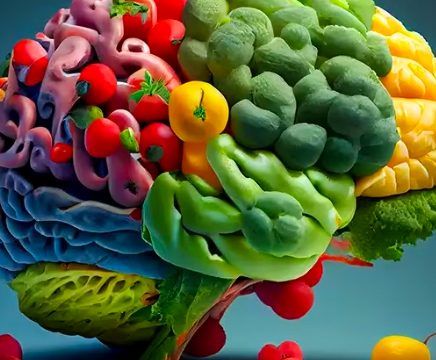
Eating should never feel monotonous.
Meals are an opportunity not only to nourish your body but also to explore flavors, textures, and experiences that keep your daily routine vibrant.
Incorporating variety into your diet can transform eating from a simple necessity into an enjoyable adventure. Making thoughtful choices about the foods you include on your plate can boost your nutrition, enhance your enjoyment, and help you maintain a balanced approach to eating.
The first step to adding variety is to expand your perspective on what counts as a meal. It is easy to fall into the habit of preparing the same dishes repeatedly. Familiarity can feel comforting, but it can also limit your intake of essential nutrients. A simple way to start is by thinking about the colors on your plate. Different colored foods often indicate different vitamins, minerals, and antioxidants. By intentionally selecting a rainbow of foods, you naturally increase diversity in your diet. For example, pairing leafy greens with vibrant peppers and deep orange carrots can provide a range of nutrients that might be missed if you only stick to one type of vegetable.
Exploring seasonal foods is another method to introduce variety. Fruits and vegetables have natural rhythms, with certain produce flourishing during specific times of the year. Choosing items that are in season not only supports better taste and freshness but also exposes your palate to foods you might not normally try. Seasonal eating encourages creativity in the kitchen, as you discover new ways to prepare ingredients you may have overlooked. Experimenting with unfamiliar fruits, grains, or legumes allows your meals to evolve naturally with the year’s cycle.
Variety can also be introduced by embracing different cooking methods. The way a food is prepared can transform its flavor, texture, and overall appeal. Steaming vegetables retains their crispness, while roasting enhances sweetness and deepens flavor. Grilling adds smoky notes that cannot be achieved by sautéing, and simmering ingredients in broths or sauces can provide a completely different experience. By rotating cooking techniques, even familiar ingredients feel fresh and exciting. You may discover a newfound love for a vegetable you previously found bland or a protein prepared in an unexpected way.
Incorporating foods from various cultural cuisines can further broaden your dietary horizons. Each culture brings unique combinations of spices, herbs, and preparation techniques that introduce new flavors and textures. A simple stir-fry from an Asian cuisine, a hearty tagine from North Africa, or a Mediterranean grain salad can transform a routine meal into a culinary journey. Exploring these options encourages mindfulness, as you pay attention to tastes and aromas that may be entirely new to your senses. It also presents an opportunity to learn about global traditions and flavors while enhancing your diet’s diversity.
Building variety also means experimenting with different sources of protein and grains. Instead of relying solely on one protein, such as chicken or beef, consider including fish, legumes, eggs, or tofu. Each provides distinct nutrients and culinary possibilities. The same applies to grains. Whole grains like quinoa, barley, or farro bring unique textures and flavors, expanding your meal options beyond standard white rice or pasta. Introducing these ingredients gradually allows your palate to adjust while keeping meals exciting.
Snacking offers an additional avenue to enrich your diet with variety. Rather than reaching for the same handful of nuts or packaged snack every day, try mixing fruits, vegetables, seeds, or yogurt in creative ways. Simple swaps, such as apple slices with almond butter or roasted chickpeas with spices, add unexpected textures and flavors. Snacks can become mini opportunities for experimentation, helping you discover combinations that satisfy both taste and nutritional needs.
Mindful shopping habits can also encourage variety. When planning grocery trips, consider choosing one or two new ingredients each week to experiment with. This approach prevents your routine from becoming repetitive and introduces your household to new foods without feeling overwhelming. Reading labels or browsing recipes can spark ideas for unfamiliar items and inspire you to incorporate them into meals in innovative ways. Over time, these small choices accumulate, creating a more diverse and balanced diet.
Another aspect of variety is the inclusion of herbs and spices. Even simple changes in seasoning can make a familiar dish feel entirely different. Fresh basil, cilantro, rosemary, or thyme each bring unique aroma and flavor profiles. Spices such as turmeric, cumin, or paprika can transform the same basic ingredients into entirely new culinary experiences. By rotating your seasonings and experimenting with blends, your taste buds are constantly engaged, reducing the likelihood of mealtime boredom.
Adding variety does not mean abandoning balance. While exploring new foods, it is important to maintain a sense of nutritional equilibrium. Strive to include vegetables, fruits, proteins, and whole grains in each meal while allowing room for occasional indulgences. Variety is about broadening your options and experiences, not overcomplicating or overwhelming yourself. Small, intentional changes are often the most sustainable and enjoyable.
Sharing meals with others is another way to enhance variety. Dining with family or friends often introduces dishes you might not prepare on your own. Social meals expose you to different ingredients, cultural influences, and presentation styles, creating opportunities to learn from others’ experiences. Collaborative cooking can also spark creativity, as multiple perspectives come together to form a diverse and appealing meal.
Ultimately, adding variety to your plate is a mindset as much as a practice. It requires curiosity, openness, and a willingness to explore beyond habitual choices. Viewing meals as opportunities for discovery rather than chores encourages a more positive relationship with food. By embracing new ingredients, cooking methods, and flavor profiles, you create a diet that is both satisfying and nutritionally rich. Variety encourages mindfulness, engages your senses, and makes every meal an opportunity to celebrate the diversity of foods available to you.
Making small, consistent adjustments over time allows variety to become a natural part of your eating habits. Start with one new ingredient, experiment with a different cooking technique, or introduce a spice you rarely use. Gradually, these efforts create a dynamic and enjoyable approach to eating that prevents stagnation and promotes a sense of adventure at every meal. Over time, your plate becomes a reflection of both creativity and nutritional balance, demonstrating that variety is not merely a luxury but a cornerstone of a vibrant and healthy lifestyle.
In conclusion, choosing foods that add variety to your plate is about more than taste. It is a strategy to ensure balanced nutrition, maintain interest in meals, and cultivate a positive relationship with food. Through mindful selection, experimentation, and openness, every meal can become an opportunity to nourish your body while delighting your senses. By embracing color, seasonality, diverse proteins, cultural influences, and creative cooking techniques, you invite a world of possibilities to your plate, making eating a continuous adventure of discovery and enjoyment.