Creating eating habits that feel good is less about strict rules and more about finding a rhythm that supports both your body and your lifestyle.
Many people approach eating with a list of dos and don’ts, but the truth is that sustainable habits come from understanding what your body truly needs and discovering routines that bring comfort, energy, and balance.
Developing these habits is a journey, one that can be approached gently and with curiosity.
The first step toward positive eating habits is cultivating awareness. This doesn’t mean monitoring every calorie or forcing yourself to follow a rigid schedule. It begins with noticing how different foods make you feel. Pay attention to your energy levels after meals, how satisfied you feel, and whether certain foods leave you feeling sluggish or energized. This awareness is the foundation for making choices that support both your physical health and your emotional well-being. Journaling can be a helpful tool in this process. Writing down your meals, your feelings before and after eating, and any cravings you notice can reveal patterns that might otherwise go unnoticed.
Establishing a regular rhythm for meals can also contribute to habits that feel natural and sustainable. While there is no one-size-fits-all schedule, many people find it helpful to aim for consistency. This might mean having a nourishing breakfast that includes a balance of protein, carbohydrates, and healthy fats, a midday meal that keeps energy steady, and a lighter evening meal that is easy to digest. Consistency doesn’t require rigidity; it simply means giving your body a reliable pattern so hunger cues and digestion can align more comfortably with your day.
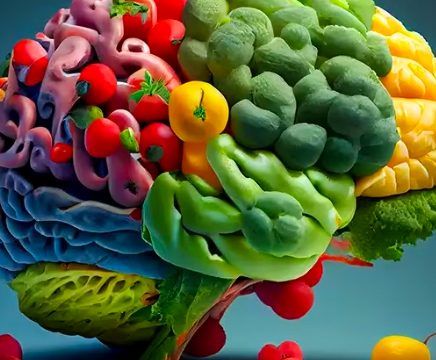
It is important to prioritize variety in your meals. A diet that rotates through a wide range of fruits, vegetables, whole grains, proteins, and healthy fats provides not only essential nutrients but also keeps eating enjoyable. When meals are colorful, flavorful, and diverse, it becomes easier to look forward to eating rather than approaching it as a task. Variety can be introduced slowly, starting with small additions of new ingredients or spices, exploring different cooking methods, or trying out new types of meals each week. Over time, these small changes expand your palate and make meals more satisfying.
Another key aspect of establishing eating habits that feel good is listening to your hunger and fullness signals. Modern life often encourages eating on the go, skipping meals, or consuming food for reasons other than hunger. Mindful eating practices encourage slowing down, tuning in to the body’s cues, and eating with intention. Simple strategies such as putting down utensils between bites, taking a few deep breaths before meals, and noticing the flavors and textures of food can help cultivate this awareness. By respecting your body’s signals, it becomes easier to eat in a way that nourishes without overeating or feeling deprived.
Emotional connection to food also plays a significant role in establishing positive habits. Food is often intertwined with comfort, celebration, and social connection. Acknowledging these aspects without judgment allows you to enjoy meals in a more balanced way. For example, enjoying a favorite dessert on occasion or sharing a meal with friends can be part of a healthy pattern rather than a disruption to it. Recognizing the emotional dimension of eating encourages a sense of freedom rather than restriction, making it more likely that habits are maintained over time.
Planning and preparation are practical tools that support habits that feel good. While spontaneity in meals is enjoyable, having a few reliable staples or meal ideas can reduce stress and prevent last-minute choices that may not align with your goals. Preparing simple meals or snacks ahead of time, keeping your kitchen stocked with nourishing ingredients, and having a few go-to recipes that you enjoy can make it easier to stick to positive eating patterns. Preparation does not have to be complicated; even small steps, like chopping vegetables in advance or keeping fruits visible for easy access, can make a difference.
Flexibility is another crucial element in developing eating habits that feel good. Life is unpredictable, and there will be days when schedules change, appetites fluctuate, or certain foods are unavailable. Approaching eating habits with flexibility rather than rigidity allows you to adapt without guilt. When habits are too strict, it can create a cycle of restriction and overindulgence that undermines well-being. On the other hand, habits that are adaptable encourage resilience and long-term adherence.
Hydration and mindful beverage choices also contribute to habits that support overall wellness. Drinking water regularly throughout the day, being aware of caffeine and sugar intake, and noticing how different beverages affect energy and digestion can enhance how you feel between meals. Hydration is often overlooked but plays a key role in supporting metabolism, concentration, and overall comfort.
It is also valuable to set realistic expectations for change. Establishing new habits is rarely instantaneous, and expecting perfection can create frustration. Instead, focusing on small, incremental improvements can be more effective. Perhaps you start by adding one additional serving of vegetables each day, choosing a whole-grain option at one meal, or eating slowly during one meal each day. Over time, these small adjustments accumulate into meaningful, sustainable habits.
Support from your environment and social circle can reinforce positive eating habits. Preparing meals with family, sharing recipes with friends, or even engaging in online communities with a focus on balanced nutrition can provide encouragement and inspiration. Being around people who respect and support your choices can make it easier to maintain habits that feel good and reinforce a positive relationship with food.
Finally, maintaining a non-judgmental attitude toward eating is essential. Habits that feel good are built on self-compassion rather than criticism. There will be days when routines are disrupted, hunger signals are ignored, or indulgent meals are enjoyed. Accepting these moments as part of life rather than failures encourages a balanced mindset and strengthens your ability to return to nourishing habits without guilt.
In conclusion, establishing eating habits that feel good involves a combination of awareness, consistency, variety, listening to hunger and fullness, emotional connection, preparation, flexibility, hydration, realistic expectations, support, and self-compassion. It is a holistic approach that respects the body’s needs, adapts to life’s rhythms, and prioritizes enjoyment alongside nutrition. By approaching meals with curiosity, kindness, and intention, it is possible to create a pattern of eating that supports health, energy, and satisfaction over the long term. Over time, these habits can become second nature, guiding you toward a more balanced, nourished, and joyful relationship with food.