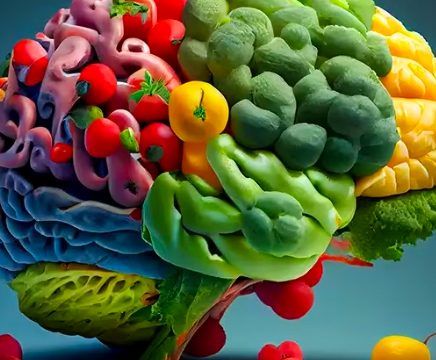
Finding a balance between enjoying food and maintaining healthy habits is a goal that many people strive for, yet it can feel challenging at times.
Food is not just a source of nutrition; it is also a source of comfort, social connection, and pleasure.
Learning to appreciate food while making choices that support your well-being is about adopting habits that are sustainable, flexible, and mindful. When approached thoughtfully, meals can provide nourishment, satisfaction, and enjoyment without causing stress or guilt.
A key aspect of enjoying food while staying healthy is cultivating mindfulness. Paying attention to the flavors, textures, and aromas of what you eat allows you to truly savor each bite. Eating slowly helps you notice when you are comfortably full, preventing overeating and enhancing satisfaction. Mindful eating also encourages awareness of how different foods affect your energy and mood. Over time, this practice creates a positive relationship with food, where meals are appreciated for both taste and nourishment, rather than being a source of anxiety or restriction.
Balance is another essential element. A healthy approach to food does not mean perfection at every meal. Instead, it focuses on creating patterns of eating that provide a mix of nutrients while leaving room for enjoyment. Including a variety of vegetables, fruits, lean proteins, whole grains, and healthy fats ensures that meals are both satisfying and nourishing. At the same time, occasional treats or indulgences can be part of a balanced approach. Recognizing that balance is about the overall pattern of eating, rather than individual choices, reduces feelings of guilt and encourages a more sustainable relationship with food.
Planning meals can also help you enjoy food while maintaining healthy habits. When meals are thoughtfully prepared, it is easier to ensure that they contain a variety of nutrients and fit into your daily routine. Keeping fresh ingredients on hand, preparing meals in advance, or incorporating simple, wholesome snacks can prevent reliance on less nutritious options during busy days. Planning does not have to be rigid; flexibility within a well-prepared framework allows you to make choices that satisfy both your hunger and your enjoyment of food.
Portion awareness is a practical tool in this process. Understanding how much food is appropriate for your body’s needs can prevent overeating while still allowing you to enjoy your favorite meals. You do not need to measure every bite, but having a sense of portions can guide choices. Filling half your plate with vegetables or fruits, one-quarter with protein, and one-quarter with whole grains is a simple framework that supports balance. Adding a small portion of healthy fats can enhance satisfaction and contribute to long-term health. This approach makes it possible to enjoy flavorful and diverse meals without overindulging.
Hydration is often overlooked but plays a significant role in maintaining healthy habits. Drinking enough water throughout the day supports digestion, helps regulate appetite, and maintains energy levels. Sometimes feelings of hunger are actually signs of mild dehydration, so paying attention to fluid intake can prevent unnecessary snacking. Incorporating hydrating foods, such as fruits and vegetables, adds both flavor and nutrients, further supporting a balanced and enjoyable approach to eating.
Flexibility is key to sustaining both enjoyment and healthy habits. Life is unpredictable, and there will be times when meals do not go according to plan. Allowing room for variation, without judgment, ensures that healthy habits remain sustainable over the long term. A flexible approach encourages experimentation with new recipes, ingredients, and flavors, keeping meals interesting and enjoyable. Recognizing that balance is about overall patterns rather than perfection empowers you to enjoy food while still honoring your health goals.
Social connections and the emotional aspects of eating also contribute to enjoyment. Sharing meals with family, friends, or colleagues can enhance the pleasure of food and reinforce positive habits. Celebrating food together, trying new dishes, or simply savoring a favorite meal in a relaxed setting reinforces the emotional satisfaction that accompanies nutritious choices. This perspective highlights that maintaining healthy habits is not only about what you eat, but also about how you experience food in everyday life.
Listening to your body is another important component. Paying attention to hunger, fullness, and cravings helps you make choices that satisfy both physiological and emotional needs. Eating in response to genuine hunger rather than habit or stress supports overall balance and allows for enjoyment without guilt. Over time, this practice builds trust in your body’s signals, which is fundamental for long-term healthy habits and a positive relationship with food.
In addition, quality matters as much as quantity. Choosing whole, minimally processed foods provides richer nutrients and more sustained energy, supporting both health and enjoyment. Fresh vegetables, fruits, lean proteins, whole grains, and healthy fats create a foundation for meals that are both satisfying and nourishing. While occasional indulgences are part of a balanced approach, focusing on high-quality ingredients ensures that most meals contribute positively to your well-being. This emphasis on quality enhances both taste and nutrition, making it easier to enjoy food without compromising healthy habits.
Consistency in healthy habits does not mean rigidity. Developing routines around meals, hydration, and mindful eating fosters stability, but allowing occasional variations ensures sustainability. Even when meals are not perfectly balanced, returning to supportive habits at the next opportunity maintains overall progress. Consistency, coupled with flexibility, creates a practical and realistic approach that supports both health and enjoyment over time.
Finally, viewing food as a source of nourishment and pleasure can transform the way you approach eating. Meals become opportunities to care for your body, connect with others, and enjoy sensory experiences. By combining mindfulness, variety, planning, portion awareness, flexibility, and quality, you can create a pattern of eating that supports health without sacrificing enjoyment. This approach encourages long-term habits that are sustainable, satisfying, and aligned with your well-being.
In conclusion, enjoying food while maintaining healthy habits is about creating a balanced, flexible, and mindful approach to eating. By appreciating flavors, listening to your body, planning thoughtfully, and choosing a variety of high-quality foods, you can nurture both health and pleasure. Flexibility allows for indulgences and social experiences without guilt, while consistency builds long-term routines that support overall well-being. Embracing this supportive approach transforms meals into moments of nourishment, enjoyment, and satisfaction, fostering a positive relationship with food that lasts a lifetime.