Family meals have long been recognized as valuable moments for connection, communication, and shared experiences.
In today’s busy world, gathering around the table can provide a welcome opportunity for family members to slow down, enjoy one another’s company, and create lasting memories.
When healthy eating becomes part of these moments, meals can nourish both the body and the relationships that matter most.
Adding joy to family meals does not require elaborate recipes or perfect planning. Instead, it comes from creating positive experiences that make healthy eating enjoyable for everyone.
Healthy eating is often associated with nutrition, but it can also be closely connected to happiness and togetherness. Meals provide more than fuel for the body. They offer opportunities for conversation, laughter, learning, and bonding. When families approach healthy eating with a positive mindset, mealtime can become something everyone looks forward to rather than a daily obligation.
One of the easiest ways to bring joy to family meals is by focusing on togetherness rather than perfection. Many families feel pressure to prepare flawless meals or follow strict nutrition rules. However, the most meaningful family meals are often simple and relaxed. Sharing wholesome foods while enjoying each other’s company creates a welcoming environment that encourages positive habits and enjoyable experiences.
Creating a comfortable atmosphere can make a significant difference. A pleasant dining environment helps family members feel more relaxed and engaged. Simple touches such as sitting together at the table, turning off distractions, and encouraging conversation can transform an ordinary meal into a special family event. The goal is to create a space where everyone feels valued and included.
Involving family members in meal preparation is another effective way to add joy to healthy eating. Children and adults alike often enjoy participating in the cooking process. Washing vegetables, mixing ingredients, setting the table, or choosing recipes can help family members feel connected to the meal. When people contribute to food preparation, they often develop greater appreciation for nutritious ingredients and become more excited about eating together.
Variety can also make family meals more enjoyable. Repeating the same dishes every week may lead to boredom, while introducing new ingredients and flavors can create excitement. Seasonal fruits, vegetables, whole grains, and proteins offer countless opportunities to explore different meals. Trying a new recipe together can become a fun family activity that encourages curiosity and creativity.
Healthy eating does not mean eliminating favorite foods or traditions. Family meals should celebrate both nutrition and enjoyment. Many traditional dishes can be prepared with balanced ingredients while preserving the flavors and memories that make them meaningful. Maintaining cultural and family traditions can strengthen connections while supporting a positive relationship with food.
Conversation plays a powerful role in creating joyful meals. Family members often have busy schedules, making mealtime one of the few opportunities to connect during the day. Asking simple questions, sharing stories, and discussing daily experiences can help strengthen family relationships. Positive conversations encourage family members to associate mealtime with comfort and happiness.
Encouraging a positive attitude toward food is equally important. Rather than labeling foods as “good” or “bad,” families can focus on balance and variety. This approach helps reduce pressure and supports a healthier perspective on eating. When healthy foods are presented as enjoyable and nourishing rather than mandatory, family members may be more open to trying new options.
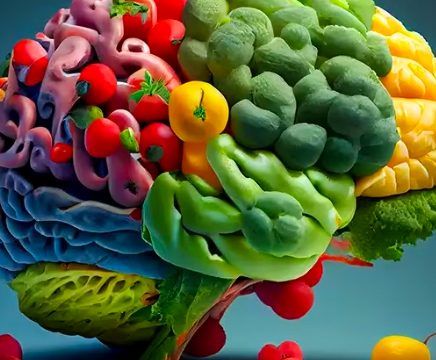
Colorful meals can make healthy eating more appealing. Fruits and vegetables naturally add vibrant colors to the table, creating meals that are visually inviting. A plate filled with different colors often looks more exciting and enjoyable. This simple strategy can encourage both children and adults to appreciate a wider variety of nutritious foods.
Making mealtime interactive can add an element of fun. Family-style meals, build-your-own dishes, or simple cooking projects can encourage participation and engagement. Allowing family members to personalize certain parts of their meals creates a sense of involvement and enjoyment. These experiences can make healthy eating feel more like an activity than a task.
Gratitude can also enhance the family meal experience. Taking a moment to appreciate the food, the effort that went into preparing it, and the opportunity to share it together can create a positive atmosphere. Gratitude encourages mindfulness and helps family members focus on the value of spending time together.
Consistency is another important factor. While daily family meals may not always be possible, creating regular opportunities to eat together can strengthen routines and relationships. Whether it is breakfast, dinner, or a weekend meal, consistency helps establish family traditions that everyone can anticipate and enjoy.