In a world that is rapidly evolving, the way we approach education is transforming beautifully.
The traditional classroom is giving way to innovative learning programs that cater to the diverse needs of modern learners.
These programs are not just about imparting knowledge; they are designed to create engaging, inclusive, and flexible environments that foster growth and curiosity.
As we delve into this exciting landscape, we discover how these learning programs are shaping the future of education.
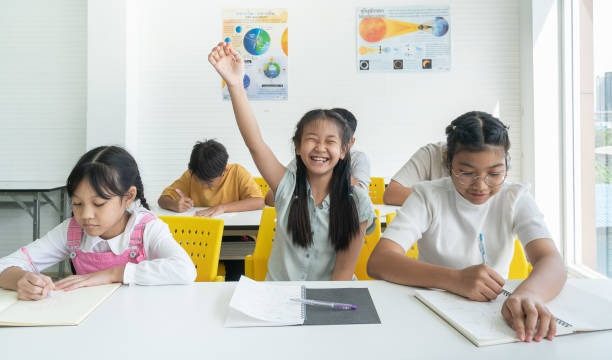
The essence of modern education lies in its adaptability. With the rise of technology, learning is no longer confined to four walls. Online platforms, interactive apps, and virtual classrooms have opened up a world of possibilities. Students can now access a wealth of information at their fingertips, allowing for personalized learning experiences tailored to individual needs. This shift towards technology has made education more accessible, breaking down barriers that once hindered learning.
A small shift toward balance is evident in how educators are integrating social-emotional learning into their curriculums. Understanding that academic success is intertwined with emotional well-being, many programs now emphasize the importance of fostering resilience, empathy, and interpersonal skills. This holistic approach prepares students not only for exams but for life beyond the classroom. By nurturing emotional intelligence, we create a generation of learners who are equipped to navigate the complexities of the modern world.
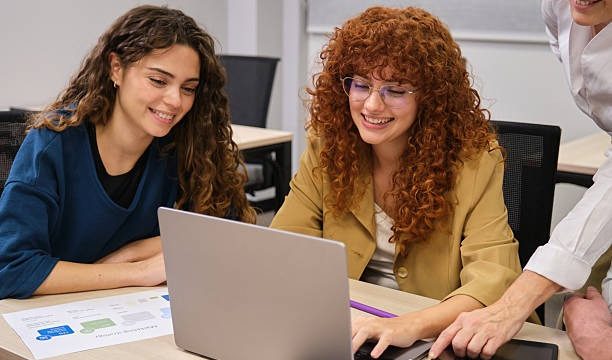
Collaboration is another cornerstone of contemporary educational practices. Learning programs are increasingly encouraging teamwork and cooperative projects. Students are not merely passive recipients of information; they are active participants in their learning journeys. Through group activities, peer-to-peer interactions, and collaborative problem-solving, learners develop essential skills such as communication, negotiation, and critical thinking. These experiences cultivate a sense of community and belonging, which is vital in our interconnected society.
In addition to collaboration, creativity is being celebrated as a fundamental aspect of modern education. Programs that embrace creative thinking encourage students to explore, experiment, and express themselves in unique ways. Whether through art, music, or innovative projects, learners are encouraged to think outside the box and approach challenges with an open mind. This emphasis on creativity not only enhances engagement but also nurtures a love for learning that can last a lifetime.
As we explore the diverse offerings of modern learning programs, it’s important to acknowledge the role of flexibility. With busy lives and varying commitments, the traditional 9-to-5 school schedule may not suit everyone. Many educational institutions are recognizing this and are offering flexible learning options that allow students to learn at their own pace. Online courses, hybrid models, and self-directed learning paths empower individuals to take charge of their education, fitting it into their lives rather than the other way around.
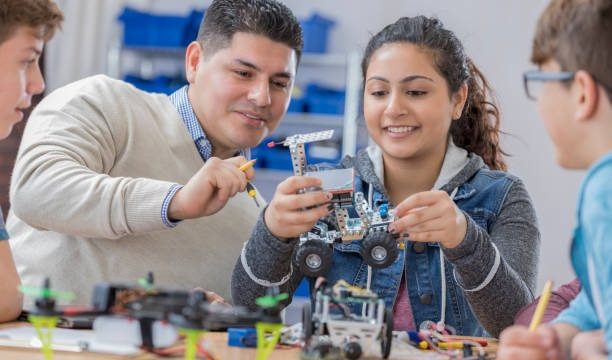
The integration of real-world experiences into educational programs is also gaining traction. Learning is most impactful when it is relevant and applicable to everyday life. Programs that incorporate internships, community service, and hands-on projects bridge the gap between theory and practice. They provide students with opportunities to apply their knowledge in real-world settings, fostering a deeper understanding of concepts and their implications. This experiential learning not only enhances retention but also prepares students for the challenges they will face in their careers.
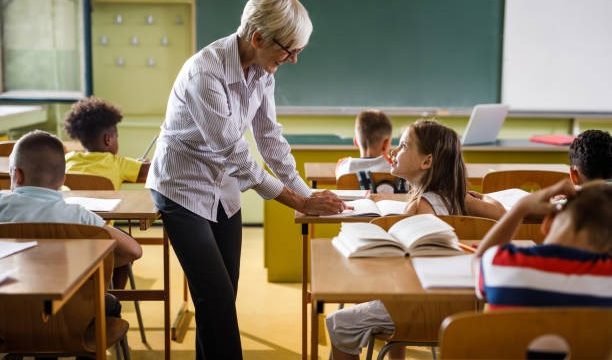
Moreover, diversity and inclusion are becoming central themes in modern educational programs. Recognizing that every learner comes from a unique background, many institutions are striving to create inclusive environments where all voices are heard and valued. Culturally responsive teaching practices help students connect their personal experiences to the curriculum, making learning more meaningful. By embracing diversity, we enrich the educational experience and prepare students to thrive in a global society.
As we embrace the future of education, the importance of lifelong learning cannot be understated. Learning is no longer confined to childhood or formal education; it is a continuous journey. Modern learning programs are instilling a mindset of curiosity and growth, encouraging individuals to seek knowledge throughout their lives. This shift empowers people to adapt to changing circumstances, embrace new opportunities, and contribute positively to their communities.
As we reflect on the evolution of education, we find ourselves at a thrilling crossroads. The learning programs designed for modern education are not just about academic achievement; they are about nurturing well-rounded individuals who are equipped to face the complexities of our world. By embracing technology, fostering emotional intelligence, promoting collaboration, and celebrating creativity, we are paving the way for a brighter, more inclusive future.
In this era of transformation, educators and learners alike are invited to embark on a journey of discovery. Each program offers a unique path, and the possibilities are endless. As we engage with these innovative approaches, we can cultivate a love for learning that transcends the classroom, enriching our lives and the lives of those around us. Together, we can nurture a generation of lifelong learners who are not only knowledgeable but also compassionate, creative, and resilient. The future of education is bright, and it is ours to shape.