Math can often feel like a puzzle, with its twists and turns sometimes leaving students feeling frustrated and overwhelmed.
However, many innovative math programs are emerging, designed not just to teach numbers and equations, but to create a more manageable learning experience.
These programs adopt a holistic approach, focusing on the individual learner and their unique journey through the world of mathematics.
A gentle introduction to math
For many children, the first encounter with math can be daunting. Traditional methods may rely heavily on rote memorization and repetitive practice, which can lead to feelings of anxiety and disengagement. However, modern math programs are shifting away from this model, opting instead for a nurturing environment that encourages exploration and understanding.
By introducing math concepts in a playful and engaging manner, these programs help students build a solid foundation without the pressure of high-stakes testing. For instance, using visual aids, manipulatives, and interactive games, students can begin to see math not just as a subject to be conquered, but as a language to be understood. This gentle introduction can foster a sense of curiosity and joy, making learning a more enjoyable experience.
Creating a supportive community
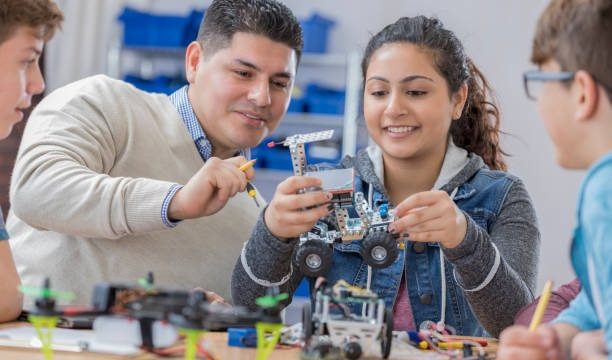
One of the most significant benefits of contemporary math programs is the emphasis on community. Learning math is often perceived as a solitary endeavor, but these programs encourage collaboration and communication among peers. By working together, students can share ideas, tackle challenges, and celebrate their successes.
This collaborative approach helps to create a supportive environment where students feel comfortable asking questions and expressing their thoughts. When learners are encouraged to discuss their reasoning and problem-solving processes, they not only solidify their understanding but also develop essential social skills. In this way, math becomes a shared journey rather than a lonely road.
A focus on real-world applications
Another refreshing aspect of modern math programs is their emphasis on real-world applications. Students often struggle to see the relevance of math in their daily lives, which can lead to disinterest. However, by connecting mathematical concepts to real-life scenarios, these programs help students understand the practical implications of what they are learning.
For example, when students explore budgeting, cooking, or even planning a trip, they can see how math plays a vital role in everyday decision-making. This connection not only enhances engagement but also empowers students to apply their knowledge in meaningful ways. Understanding that math can solve problems outside the classroom can transform a student’s perception of the subject, making it feel more relevant and approachable.
Adapting to individual learning styles
Every learner is unique, possessing their own strengths, weaknesses, and preferred learning styles. Recognizing this, many math programs today are designed to be flexible and adaptive. Rather than a one-size-fits-all approach, these programs allow for personalized learning paths that cater to the individual needs of each student.
Through various methods, such as differentiated instruction and adaptive technology, educators can provide tailored support that meets students where they are. This personalized attention can significantly reduce feelings of frustration and inadequacy, allowing students to progress at their own pace. When learners feel understood and supported, they are more likely to engage fully with the material and experience genuine growth.
Building resilience and confidence
Mathematics is often seen as a subject that tests one’s intelligence, but it’s essential to recognize that perseverance and resilience are equally important. Many math programs emphasize the value of growth mindset, encouraging students to view challenges as opportunities for learning rather than insurmountable obstacles.
This shift in perspective can have a profound impact on a learner’s confidence. When students learn to embrace mistakes as part of the learning process, they become more willing to take risks and explore new concepts. As they tackle increasingly complex problems, they build resilience and develop a sense of accomplishment. This newfound confidence can extend beyond math, positively influencing other areas of their academic and personal lives.
Integrating technology thoughtfully
In our digital age, technology has become an integral part of education. Effective math programs harness the power of technology to enhance the learning experience, offering interactive tools and resources that engage students in new and exciting ways. From educational apps to online platforms, technology can provide instant feedback, allowing students to learn from their mistakes in real-time.
However, it is crucial to approach technology thoughtfully. The best programs strike a balance between digital engagement and traditional learning methods, ensuring that students benefit from both. By integrating technology in a way that complements hands-on learning, educators can create a rich and varied educational experience that resonates with today’s learners.
Fostering a lifelong love for learning
Ultimately, the goal of any educational program is to instill a love for learning that lasts a lifetime. Math programs that prioritize engagement, support, and real-world relevance are well-positioned to achieve this aim. By creating a positive and nurturing environment, these programs encourage students to view math not merely as a subject to be studied but as a fascinating field filled with possibilities.
As students develop their skills and confidence, they are more likely to carry this enthusiasm into their future endeavors. Whether pursuing advanced studies in mathematics or simply applying their knowledge in everyday life, the impact of a supportive math program can be transformative.
In conclusion, the evolution of math education is paving the way for a more manageable and enjoyable learning experience. Through community support, real-world applications, personalized learning, resilience-building, and thoughtful integration of technology, these programs are making math accessible and engaging for all students. By fostering a love for learning, we are not only equipping students with essential skills but also nurturing curious minds ready to explore the world around them.