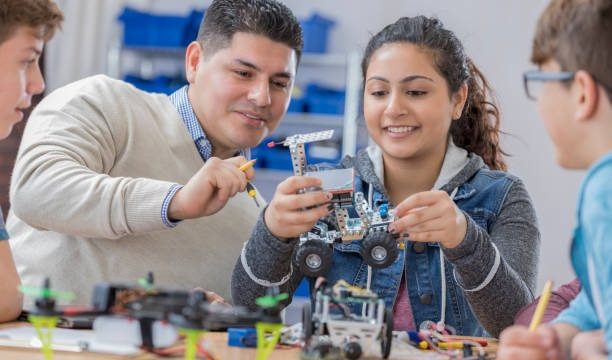
In a world where distractions are just a click away, fostering a deeper academic engagement can feel like an uphill battle.
Yet, with the right tools, it’s entirely possible to cultivate a more meaningful connection with learning.
As we navigate this journey, let’s explore some of the resources that can help enhance focus, encourage curiosity, and ultimately make the academic experience more rewarding.
A gentle shift toward mindfulness
Mindfulness has become a buzzword in recent years, but its principles can genuinely transform the way we approach our studies. Tools designed to promote mindfulness can help students center their thoughts, reduce anxiety, and enhance concentration. For instance, applications that guide users through meditation or deep breathing exercises can create a calming atmosphere before diving into study sessions. Even just a few minutes of focused breathing can clear the mind and allow for deeper immersion into the material.
Creating a serene study environment is another essential aspect of engaging academically. Simple changes, like decluttering a workspace or incorporating soft lighting, can make a significant difference. Imagine settling into a cozy nook with a warm drink, surrounded by a few carefully chosen plants and a well-organized desk. This inviting atmosphere can set the stage for productive study sessions, inviting creativity and focus.
The power of interactive learning
Another wonderful avenue to explore is interactive learning tools. These resources can transform traditional studying into an engaging experience. Platforms that offer gamified learning, where students can earn points or rewards for completing tasks, can ignite a sense of excitement. The thrill of competition—whether with oneself or peers—can motivate students to delve deeper into subjects they may have previously found challenging.
Virtual and augmented reality technologies are also making waves in the academic sphere. These immersive experiences allow students to step into historical events, explore the human body, or even walk on distant planets—all from the comfort of their study space. Such tools not only foster curiosity but also create lasting memories tied to the learning experience.
Cultivating connections through collaboration
Engagement often flourishes within a community, and collaborative tools can help create that sense of connection. Online platforms that facilitate group work and discussions encourage students to share ideas, challenge one another, and learn collectively. Whether through video conferencing, shared documents, or discussion boards, these tools can bridge gaps and foster a sense of belonging.
Moreover, connecting with mentors or joining study groups can deepen understanding and enhance academic engagement. Having someone to turn to for guidance or to bounce ideas off can make a significant difference. It’s often in these interactions that the most profound learning occurs, as students share perspectives and insights that might not surface in solitary study.
Exploring the richness of diverse resources
In our digital age, the wealth of resources available can sometimes feel overwhelming. However, this abundance can also be a blessing. From podcasts to online courses, the variety of formats can cater to different learning styles and preferences. For auditory learners, listening to educational podcasts while commuting or exercising can be a delightful way to absorb information. Visual learners might find joy in documentaries or interactive videos that bring topics to life.
Additionally, eBooks and audiobooks provide flexibility. They can be accessed on the go, allowing students to engage with their studies during travel or downtime. This adaptability can make learning feel less like a chore and more like a natural part of daily life.
The art of reflection and self-assessment
Engaging deeply with academic material often requires introspection. Tools that encourage self-reflection can help students process their learning experiences and identify areas for improvement. Journals or digital platforms designed for reflective writing can serve as safe spaces for articulating thoughts, feelings, and insights. This practice not only enhances understanding but also fosters a deeper connection with the material.
Regular self-assessment can also play a crucial role in maintaining engagement. By setting personal goals and tracking progress, students can celebrate small victories along the way. This sense of accomplishment can be incredibly motivating, encouraging them to push further and explore new avenues of learning.
Embracing a holistic approach to learning
Ultimately, deeper academic engagement is about more than just the tools we use; it’s about embracing a holistic approach to learning. Balancing study with self-care is essential. Encouraging breaks for physical activity, creative pursuits, or simply spending time in nature can rejuvenate the mind and enhance cognitive function. A well-rounded lifestyle supports sustained engagement and a genuine love for learning.
As we explore the various tools and resources available, it’s important to remember that each student is unique. What works for one may not resonate with another. The key is to experiment and find the right combination of tools that nurture curiosity and engagement.
In this journey of academic exploration, let’s celebrate the small victories and embrace the process of learning. With the right mindset and tools, academic engagement can transform from a task into a fulfilling and enriching experience. Whether it’s through mindfulness practices, collaborative tools, or diverse resources, each step taken toward deeper engagement is a step toward personal growth and discovery.
As we navigate this landscape together, may we find joy in the learning process and cultivate a lifelong passion for knowledge. With every new insight and experience, we are not just studying; we are growing—and that, in itself, is a beautiful journey.