In a world where learning is constantly evolving, the importance of reliable educational programs cannot be overstated.
As we navigate through various stages of life, from early childhood to adulthood, the need for effective learning experiences remains a constant.
Programs that truly support reliable learning outcomes provide individuals with the tools they need to thrive and succeed, creating a foundation for lifelong learning.
The essence of a good educational program lies in its ability to adapt and respond to the needs of its learners. Whether in a formal classroom setting or through informal community initiatives, the best programs are those that prioritize the individual’s learning journey. They create environments that foster curiosity, encourage exploration, and nurture critical thinking. When learners feel seen and heard, they are more likely to engage deeply with the material, leading to meaningful and lasting outcomes.
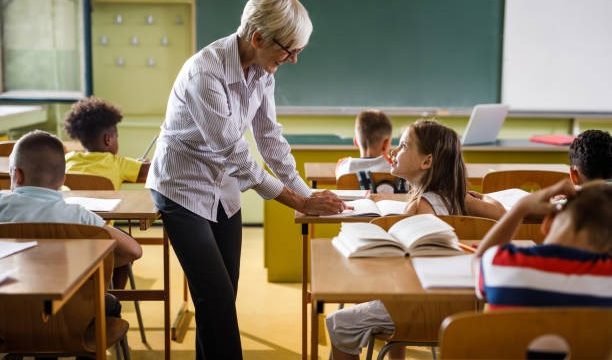
In the realm of early childhood education, programs that focus on play-based learning have shown remarkable results. Children naturally learn through play, and when educational programs incorporate this understanding, they create spaces where children can explore their interests. Programs that emphasize social interactions, imaginative play, and hands-on activities enable young learners to develop essential skills such as problem-solving, communication, and collaboration. This holistic approach not only supports cognitive development but also nurtures emotional intelligence, helping children form healthy relationships with themselves and others.
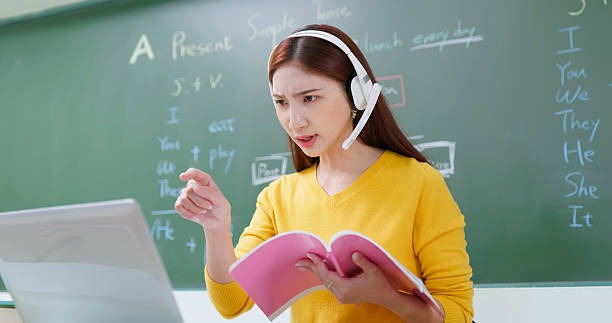
As children transition into middle and high school, the landscape of learning changes. Programs that support reliable learning outcomes during these years often integrate technology thoughtfully into their curricula. Digital tools can enhance traditional learning methods, offering students a chance to engage with content in dynamic ways. Interactive platforms and online resources provide personalized learning experiences, allowing students to progress at their own pace. When technology is used as a supportive tool rather than a replacement for traditional learning, it can empower students, fostering independence and self-directed learning.
Equally important is the role of mentorship and community in shaping educational experiences. Programs that connect learners with mentors can have a profound impact on their educational journeys. A mentor provides guidance, encouragement, and a sense of accountability, helping individuals navigate challenges and celebrate successes. These relationships often extend beyond academic support, promoting personal growth and resilience. By fostering connections within the community, educational programs can create a network of support that enriches the learning experience.
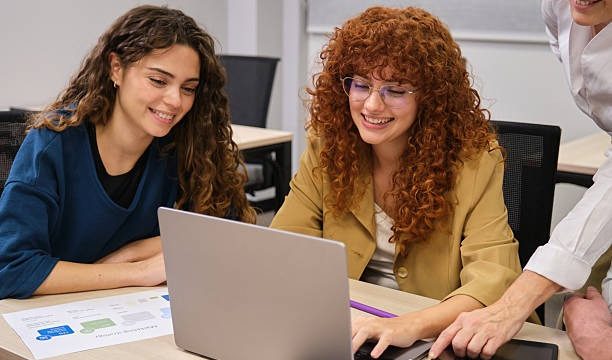
In higher education, the focus shifts to preparing students for the complexities of the professional world. Programs that emphasize experiential learning, such as internships and cooperative education, provide students with practical skills that are directly applicable to their future careers. These hands-on experiences allow learners to apply theoretical knowledge in real-world settings, bridging the gap between academia and the workplace. Such programs not only enhance employability but also instill a sense of confidence in students as they prepare to enter the job market.
A small shift toward balance can also be seen in the increasing recognition of mental health and well-being within educational programs. Institutions are beginning to incorporate wellness initiatives into their curricula, understanding that a healthy mind is essential for effective learning. Programs that prioritize mental health resources, mindfulness practices, and stress management techniques create a holistic learning environment. When students feel supported in their emotional and psychological well-being, they are better equipped to engage with their studies and achieve reliable learning outcomes.
Moreover, the importance of inclusivity in educational programs cannot be overlooked. Programs that embrace diversity and promote equity create spaces where all learners feel valued and respected. By recognizing and addressing the unique challenges faced by marginalized communities, these programs work towards leveling the playing field. When every learner has access to quality education, the potential for reliable learning outcomes increases significantly. It is a collective responsibility to ensure that education is accessible to all, fostering a culture of inclusivity that enriches society as a whole.
As we explore the landscape of educational programs, it is essential to recognize the role of continuous improvement and feedback. Programs that actively seek input from learners, educators, and the community demonstrate a commitment to growth and adaptability. By regularly assessing their effectiveness and making necessary adjustments, these programs can better serve the evolving needs of their participants. This cycle of reflection and refinement is crucial in maintaining high standards and ensuring that learning outcomes remain reliable and relevant.
The journey of learning is a lifelong adventure, and the programs that support reliable outcomes are the stepping stones along the way. Whether through early childhood initiatives, mentorship opportunities, or inclusive higher education, the focus remains on nurturing individuals to reach their fullest potential. As we strive for a society where education is a shared value, it is vital to champion programs that prioritize the well-being and success of every learner.
In conclusion, reliable learning outcomes stem from programs that are thoughtfully designed and deeply attuned to the needs of their participants. By embracing a holistic approach that values play, technology, mentorship, inclusivity, and mental health, we can create educational experiences that resonate with individuals of all ages. As we invest in these programs, we lay the groundwork for a brighter, more informed future—a future where the joy of learning is accessible to everyone.