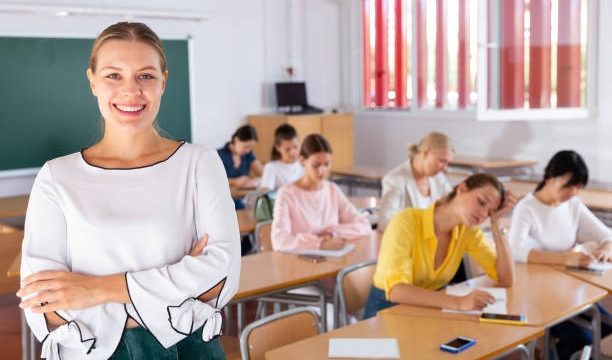
In today’s educational landscape, the classroom often becomes a vibrant hub of creativity and exploration.
Teachers are continually seeking ways to enhance their lessons, making them more engaging and effective.
One of the most impactful ways to achieve this is through learning tools that reinforce classroom lessons.
These tools, whether they are digital resources, hands-on materials, or collaborative projects, serve as bridges between theoretical knowledge and practical application.
The beauty of learning tools lies in their diversity. They can cater to various learning styles, ensuring that every student feels included and empowered. Visual learners might thrive with infographics or videos, while kinesthetic learners could benefit from hands-on activities that allow them to manipulate objects and concepts. This variety not only enriches the learning experience but also fosters a sense of curiosity and excitement about the subject matter.
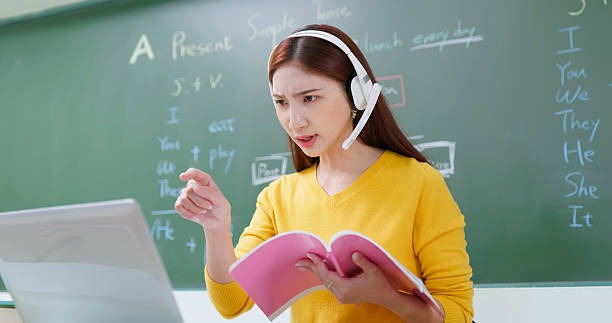
Creating a supportive learning environment involves understanding the individual needs of students. For instance, technology has become an invaluable ally in this endeavor. Educational apps and online platforms can provide personalized learning experiences, allowing students to progress at their own pace. This flexibility is particularly beneficial for those who may struggle with traditional teaching methods. By integrating technology thoughtfully, educators can create a more inclusive environment where every student has the opportunity to shine.
In addition to digital resources, physical tools play a significant role in reinforcing lessons. Classroom materials like manipulatives, charts, and models can make abstract concepts more tangible. For example, when teaching mathematical principles, using blocks or counters can help students visualize and understand the operations they are learning. This hands-on approach not only enhances comprehension but also makes learning more enjoyable, as students can explore and experiment with the concepts in a playful way.
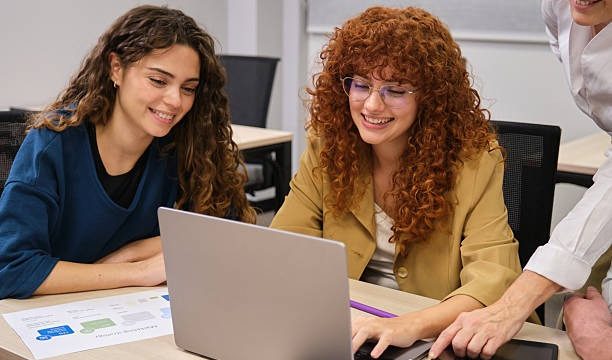
Collaboration is another essential element in the learning process. Group projects encourage students to work together, share ideas, and develop critical thinking skills. Tools such as brainstorming apps or collaborative whiteboards can facilitate this teamwork, allowing students to contribute their thoughts in a structured manner. When students engage with each other, they often find new perspectives and insights, enriching their understanding of the material. These collaborative experiences also help to build social skills and foster a sense of community within the classroom.
A gentle shift toward balance can also be achieved through the incorporation of mindfulness practices into the classroom. Tools that promote mindfulness, such as guided meditation apps or calming visual aids, can help students manage stress and improve focus. By integrating moments of stillness and reflection into the school day, educators can create a more balanced atmosphere that nurtures both academic and emotional growth. This holistic approach not only benefits students academically but also supports their overall well-being.
Parental involvement plays a crucial role in reinforcing classroom lessons as well. Educators can provide families with resources and suggestions for activities that can be done at home, extending the learning experience beyond the school day. Simple tools like educational games or reading lists can encourage parents to engage with their children’s learning in a meaningful way. This partnership between teachers and parents fosters a supportive network that ultimately benefits the students.
As we explore the realm of learning tools, it’s essential to consider the role of creativity in education. Arts and crafts, music, and creative writing can all serve as powerful tools for reinforcing lessons. For instance, when studying a historical event, students might create a skit or a visual representation of the era. This creative expression not only deepens their understanding but also allows them to connect emotionally with the material. By fostering creativity, educators can inspire students to think outside the box and approach problems with an innovative mindset.
Another important aspect to consider is the accessibility of learning tools. In a diverse classroom, it’s crucial to ensure that all students have access to the resources they need to succeed. This may involve adapting materials for students with different abilities or providing additional support for those who require it. By prioritizing accessibility, educators can create an environment where everyone can thrive, regardless of their individual challenges.
In the realm of science education, for example, interactive simulations and virtual labs can provide students with opportunities to conduct experiments that may not be feasible in a traditional classroom setting. These tools allow for exploration and discovery, enabling students to engage with scientific concepts in a hands-on manner. The thrill of conducting a virtual experiment or visualizing complex phenomena can ignite a passion for science that lasts a lifetime.
Ultimately, the goal of incorporating learning tools into the classroom is to create a rich, dynamic environment where students feel inspired and motivated to learn. The right tools can spark curiosity, encourage collaboration, and promote creativity, all of which are essential components of a well-rounded education. By thoughtfully selecting and integrating these resources, educators can cultivate a love of learning that extends beyond the walls of the classroom.
As we continue to navigate the ever-evolving landscape of education, it’s essential to remain open to new ideas and approaches. The tools available to us are constantly changing, and so too are the needs of our students. By embracing this adaptability, educators can create a nurturing space that supports every learner on their unique journey. In this way, learning becomes not just a task, but a joyful exploration of knowledge, curiosity, and growth, reinforcing the lessons that will serve students well into their futures.