Creating a sense of belonging in students is essential for their emotional and social development.
When students feel like they are part of a community, they thrive academically and personally.
This sense of connection can foster resilience, encourage participation, and support overall well-being.
So, how can educators, parents, and peers nurture this feeling of belonging in a school environment?
Building meaningful relationships is the cornerstone of fostering belonging. When students are connected to their teachers and classmates, they are more likely to engage in their learning. This connection can be nurtured through simple acts of kindness and attentiveness. Educators can take time to learn students’ names, understand their interests, and celebrate their achievements—no matter how small. When students feel recognized and valued, they start to see themselves as integral parts of their community.
Creating inclusive environments also plays a crucial role in fostering belonging. Schools can promote diversity and inclusivity by celebrating various cultures, traditions, and backgrounds. Incorporating diverse voices into the curriculum can help students see the richness in their differences. Additionally, creating spaces where students can express their identities—whether through clubs, activities, or discussions—encourages them to embrace who they are while connecting with others who share similar experiences.
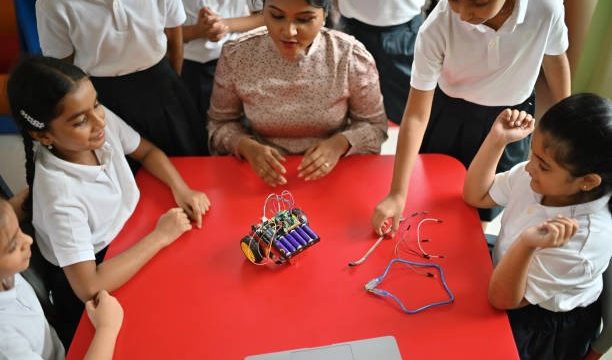
Encouraging collaboration among students can further enhance their sense of belonging. Group projects and cooperative learning experiences allow students to work together toward common goals. These interactions help forge friendships and build trust among peers, creating a support network that extends beyond the classroom. When students collaborate, they learn to appreciate each other’s strengths and perspectives, ultimately fostering a sense of unity.
A small shift toward balance can be achieved by encouraging students to be active participants in their learning. Allowing them to voice their opinions and make choices about their education can instill a sense of ownership. When students feel that their ideas matter, they are more likely to engage deeply with the material and with their classmates. This involvement can take many forms, from classroom discussions to student-led initiatives, each contributing to a richer sense of belonging.
Mindfulness practices can also play a significant role in creating a nurturing environment. Encouraging students to take a moment to breathe, reflect, or practice gratitude can help them connect with themselves and their peers on a deeper level. Mindfulness fosters emotional awareness, allowing students to better understand their feelings and those of others. As students become more attuned to their emotions, they may find it easier to empathize with their classmates, strengthening their connections.
Another important aspect of fostering belonging is the role of mentorship. Connecting students with mentors—whether they are teachers, older students, or community members—can provide additional support and guidance. Mentors can offer insights, encouragement, and a listening ear, helping students navigate challenges and celebrate successes. This relationship can help students feel seen and understood, reinforcing their place within the school community.
Creating opportunities for service and community involvement can also enhance students’ sense of belonging. When students engage in activities that benefit others, they develop a sense of purpose and connection. Whether it’s volunteering for a local charity, organizing a school event, or participating in community service projects, these experiences can help students recognize their role in a larger community. Knowing they can make a positive impact can deepen their connection to their school and peers.
Fostering a culture of respect and kindness is paramount in cultivating belonging. Schools can promote positive behaviors by establishing clear expectations for how students should treat one another. Encouraging kindness, empathy, and understanding can create a ripple effect throughout the school, creating an environment where everyone feels safe and valued. When students see their peers treating each other with respect, they are more likely to follow suit, contributing to a supportive atmosphere.
Lastly, it’s essential to recognize that fostering belonging is an ongoing process. It requires consistent effort from everyone involved in a student’s life. Educators, parents, and peers must remain attentive to the needs of students and be willing to adapt as those needs change. Regular check-ins, open communication, and feedback can help ensure that students feel supported and connected throughout their educational journey.
In conclusion, fostering a sense of belonging in students is a multifaceted endeavor that requires attention, care, and intention. By building meaningful relationships, creating inclusive environments, encouraging collaboration, and promoting kindness, we can nurture a community where every student feels valued and connected. Ultimately, when students experience a strong sense of belonging, they are empowered to reach their full potential, both academically and personally. The journey to create this sense of belonging may take time, but the rewards—resilient, engaged, and thriving students—are well worth the effort.