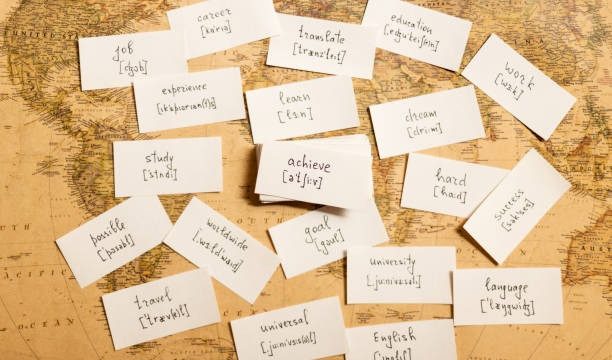
In our increasingly interconnected world, the ability to communicate in multiple languages has become not just a skill but a vital asset.
Multilingual programs in schools are emerging as a powerful way to foster not only linguistic skills but also a sense of confidence in students.
These programs do more than teach vocabulary and grammar; they inspire students to embrace their identities, connect with others, and explore new cultures.
A gentle journey into language learning often begins in the classroom, where students are encouraged to step beyond their comfort zones. This initial push can be daunting. However, as they engage with new languages, they also uncover hidden strengths. The process of learning a language—whether it’s Spanish, Mandarin, or Arabic—challenges students to think differently and adapt to new ways of expressing themselves. This adaptability nurtures resilience, which is a cornerstone of confidence.
One of the most beautiful aspects of multilingual education is the way it invites students to explore their heritage and the cultures of others. Children who learn a language that reflects their family background often feel a deepened connection to their roots. This connection can be empowering, allowing them to share their unique stories and experiences. When students realize that their cultural background is valued in the classroom, it fosters a sense of belonging. This feeling can transform their educational experience, making them more willing to engage and participate.
Navigating the complexities of a new language can also lead to moments of joy and success. Each new word learned or sentence constructed is a small victory. These achievements, no matter how minor they seem, accumulate and contribute to a growing sense of self-assurance. Students begin to recognize that making mistakes is a natural part of learning. This realization can be liberating, encouraging them to take risks not just in language but in other areas of their lives as well.
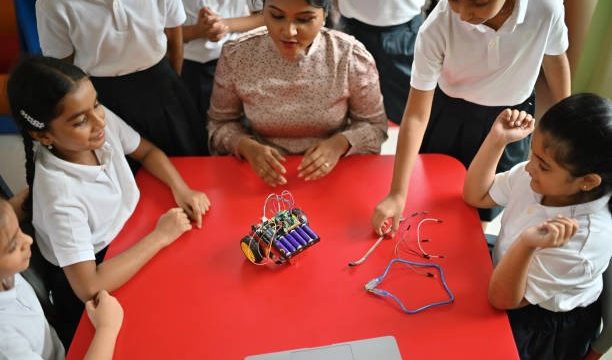
The social aspect of multilingual programs cannot be overlooked. Language is inherently a tool for connection, and as students work together to learn, they create bonds that transcend linguistic barriers. Group activities, discussions, and collaborative projects cultivate teamwork and empathy. The friendships formed in these environments bolster students’ confidence, as they realize that they are not alone in their struggles and triumphs. These shared experiences foster a supportive community, where students feel safe to express themselves and explore their identities.
In addition to fostering social connections, multilingual education also enriches cognitive abilities. Research suggests that bilingualism can enhance problem-solving skills, creativity, and even multitasking. As students juggle multiple languages, they develop mental agility that translates into increased confidence in their academic pursuits. They become more adept at navigating challenges and thinking critically, which are essential skills not only in school but in life.
The role of teachers in this journey cannot be overstated. Educators who embrace multilingualism create an inclusive atmosphere where all students feel valued. By recognizing and celebrating the diverse linguistic backgrounds of their students, teachers lay the groundwork for a supportive learning environment. This nurturing approach encourages students to take pride in their abilities and to view challenges as opportunities for growth rather than obstacles.
As students progress in their language skills, they often find themselves presented with opportunities that might have once seemed out of reach. Whether it’s participating in a language competition, studying abroad, or engaging with a diverse community, these experiences can be transformative. Each new opportunity reinforces their belief in their capabilities, further enhancing their confidence.
The benefits of multilingual programs extend beyond the classroom. As students become more confident communicators, they are better equipped to navigate the complexities of the world around them. They develop an appreciation for diversity and a curiosity about different cultures, which can lead to a more compassionate worldview. This expanded perspective not only enriches their personal lives but also prepares them for success in an increasingly globalized society.
In many ways, the journey through a multilingual program mirrors the journey of life itself. There are ups and downs, moments of clarity and confusion, and an ever-present opportunity for growth. Students learn that perseverance is key and that every step, no matter how small, is part of a larger narrative. This understanding can be profoundly empowering, instilling a sense of confidence that extends beyond language learning.
As we reflect on the impact of multilingual education, it becomes clear that these programs do more than teach students how to speak different languages. They cultivate a sense of identity, foster connections, and inspire self-confidence. In a world that often feels divided, the ability to communicate across cultures can be a bridge that brings people together.
Ultimately, the journey of learning a language is a journey of self-discovery. It invites students to explore who they are and who they can become. With each new word, phrase, and conversation, they unlock doors to new possibilities. As they embrace the challenges and joys of multilingualism, they develop a confidence that will serve them well throughout their lives. In this way, multilingual programs are not just about language; they are about nurturing the whole person and empowering students to thrive in an ever-changing world.