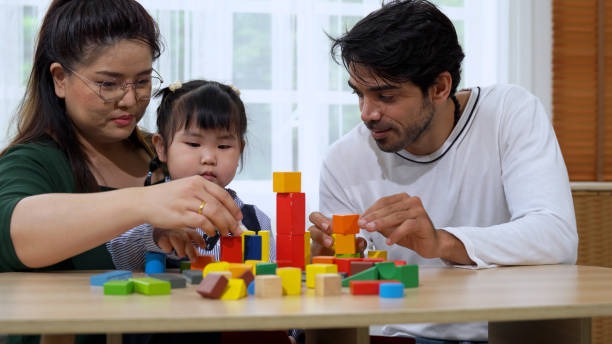
Navigating the world can sometimes feel overwhelming, especially for students with autism.
The unique ways in which they perceive and interact with their environment may call for tailored approaches in teaching essential life skills, particularly problem-solving.
By nurturing these skills, we empower students to tackle challenges with confidence and resilience.
Understanding the world of autism is a journey in itself. For many students, traditional problem-solving methods may not resonate. This is where creativity and adaptability come into play. By embracing a variety of strategies, we can help these students develop their own toolbox for overcoming obstacles.
Creating a safe space for exploration is key. Students thrive in environments where they feel secure and understood. This foundation allows them to express their thoughts and feelings without fear of judgment. As educators, parents, or caregivers, fostering open communication can lead to meaningful interactions. Simple check-ins or casual conversations can provide insights into their perspectives, helping to inform the strategies we choose to implement.
Visual tools often play a significant role in aiding comprehension. Many students with autism are visual learners, meaning they can benefit greatly from diagrams, charts, and illustrations. For instance, using a visual step-by-step guide can clarify the problem-solving process. When faced with a challenge, breaking it down into smaller, manageable parts can make it less daunting. This gentle approach allows students to focus on one step at a time, reducing feelings of overwhelm.
Another effective strategy is modeling problem-solving behaviors. By demonstrating how to approach a problem, we provide a concrete example for students to emulate. This can be done through role-playing scenarios or discussing real-life situations. When students see how others navigate challenges, they can begin to internalize these strategies for their own use. Sharing personal experiences can also be valuable; discussing times when we faced difficulties and how we resolved them can create a sense of connection and understanding.
Encouraging brainstorming sessions can be a fun and engaging way to develop problem-solving skills. Creating an atmosphere where all ideas are welcome, no matter how unconventional, can spark creativity. Sometimes, the most unexpected solutions can emerge from open discussions. This collaborative approach not only fosters critical thinking but also promotes teamwork and social skills.
A small shift toward balance can also be beneficial. It’s important to encourage students to think about both the pros and cons of various solutions. This balanced view helps them weigh their options more effectively. By guiding them through this process, we can teach them to consider multiple perspectives and potential outcomes, which is a vital aspect of problem-solving.
Incorporating real-world scenarios can enhance the learning experience. When students can relate problem-solving exercises to their daily lives, the skills become more relevant and impactful. Simple tasks, such as planning a meal or organizing a school project, can serve as excellent opportunities for practice. By engaging them in these activities, we help bridge the gap between theoretical knowledge and practical application.
Celebrating small successes is essential in this journey. Recognizing achievements, no matter how minor, can boost confidence and motivation. When students see that their efforts yield positive results, they are more likely to embrace challenges with enthusiasm. Creating a supportive environment where praise is given for progress, rather than perfection, encourages a growth mindset.
As we explore the world of problem-solving strategies, it’s essential to remain flexible. Each student is unique, and what works for one may not work for another. Being open to adjusting our methods based on individual needs is crucial. This adaptability not only demonstrates our commitment to their growth but also reinforces the idea that it’s okay to try different approaches.
Building a community of support can also enhance the learning experience. Connecting with others who share similar experiences can provide valuable insights and encouragement. Whether through support groups, online forums, or local workshops, creating a network can offer both students and caregivers a sense of belonging. Sharing stories and strategies can illuminate new paths for problem-solving and foster a collaborative spirit.
As we guide students through the process of problem-solving, it’s important to instill a sense of self-advocacy. Encouraging them to express their needs and preferences is empowering. When students feel that their voices matter, they are more likely to engage actively in their learning. Teaching them to articulate their thoughts and feelings can enhance their ability to navigate challenges independently.
In the pursuit of fostering problem-solving skills, it’s essential to remember the power of patience. Progress may be gradual, and that’s perfectly okay. Each step taken is a testament to growth, and celebrating these milestones can make the journey all the more rewarding. By cultivating an atmosphere of understanding and encouragement, we can help students with autism develop the tools they need to face challenges head-on.
Ultimately, teaching problem-solving strategies is about more than just skills; it’s about nurturing confidence and resilience. By creating supportive environments, incorporating visual aids, and encouraging collaboration, we can empower students to embrace challenges as opportunities for growth. With time, patience, and a gentle approach, we can help them navigate the complexities of life, one problem at a time.