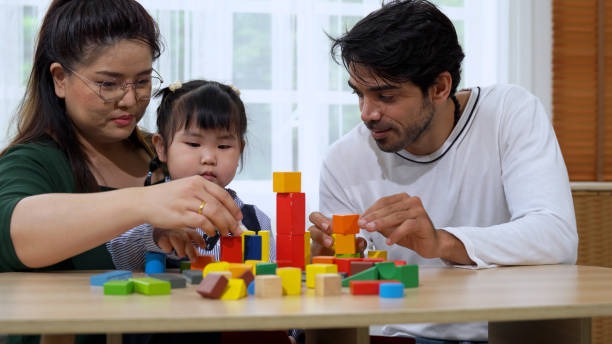
Building confidence in students is a journey that requires a thoughtful approach, especially in the context of lesson planning.
Teachers play a pivotal role in shaping not just the intellectual growth of their students, but also their emotional and social development.
When students feel confident, they are more likely to engage fully in their learning process, take risks, and develop a lifelong love for education.
So, how can we craft lesson plans that nurture this essential quality?
Creating a supportive environment is key. It’s important to foster a classroom atmosphere where students feel safe to express themselves, ask questions, and make mistakes. This begins with the first interactions of the day. Greeting students warmly and showing genuine interest in their lives can set a positive tone. A simple act, like asking a student about their weekend or complimenting their effort on a recent project, can go a long way in helping them feel valued and confident.
Incorporating collaborative learning experiences can also greatly enhance students’ confidence levels. When students work together, they learn not just from the teacher, but from each other. Group projects or peer-to-peer teaching sessions allow students to take ownership of their learning. They can share their strengths and support one another through challenges. This collaboration fosters a sense of community and belonging, which is vital for building self-esteem.
A gentle approach to assessment can transform how students view their own capabilities. Instead of traditional tests, consider using alternative assessment methods such as portfolios, presentations, or self-reflections. These approaches allow students to showcase their learning journey and understand that progress comes in many forms. Encouraging students to set personal goals and reflect on their achievements can also reinforce their sense of accomplishment and boost their confidence.
Integrating choice into lesson plans is another effective strategy. When students have a say in their learning, they are more likely to feel invested and engaged. This could be as simple as letting them choose between different projects or topics for research. Allowing for personal interests to shape their learning experience not only makes lessons more enjoyable but also empowers students. They begin to see themselves as capable learners, and that confidence can ripple into other areas of their lives.
Moreover, providing constructive feedback is essential in building confidence. It’s important to focus on what students do well, while gently guiding them on areas for improvement. Highlighting their strengths can reinforce their belief in their abilities. Encouraging a growth mindset—where students understand that effort and perseverance can lead to improvement—can help them view challenges as opportunities rather than obstacles.
Incorporating mindfulness and emotional intelligence into the curriculum can also support students in developing confidence. Activities that promote self-awareness, such as journaling or guided discussions about emotions, can help students understand themselves better. When they learn to manage their feelings and recognize their own worth, they are more likely to approach challenges with resilience and self-assurance.
Creating a sense of belonging within the classroom is equally important. Celebrating diversity and encouraging students to share their unique perspectives can foster an inclusive environment where everyone feels valued. This not only builds confidence in students as individuals but also cultivates respect and empathy among peers. When students know that their voices matter, they are more likely to engage in class discussions and share their ideas without fear of judgment.
Another effective approach is to incorporate real-world connections into lesson plans. When students see how their learning applies to the world outside the classroom, they can develop a deeper appreciation for their education. This can be achieved through field trips, guest speakers, or community projects. Experiencing the relevance of their studies can significantly boost students’ confidence as they realize the impact they can have in the world.
Encouraging creativity can also play a vital role in building confidence. Allow students to express themselves through art, music, writing, or any medium they feel comfortable with. Creative expression not only enhances their learning experience but also allows them to explore their identities. When students feel free to express themselves, they often discover hidden talents and strengths, further enhancing their self-esteem.
Lastly, it’s important for educators to model confidence themselves. When teachers demonstrate enthusiasm for the subject matter and show vulnerability by sharing their own challenges and learning experiences, it creates a powerful message. Students learn that everyone has room for growth and that it’s okay to make mistakes. This openness can inspire them to take risks in their own learning.
In conclusion, lesson plans that build confidence in students are rooted in empathy, support, and creativity. By fostering a safe and inclusive environment, incorporating collaboration, offering choice, and celebrating diversity, educators can significantly impact their students’ self-esteem. With gentle encouragement and thoughtful approaches, teachers can help students not only thrive academically but also grow into confident individuals ready to face the world. As we cultivate this confidence, we empower the next generation to embrace their potential and pursue their dreams with courage.