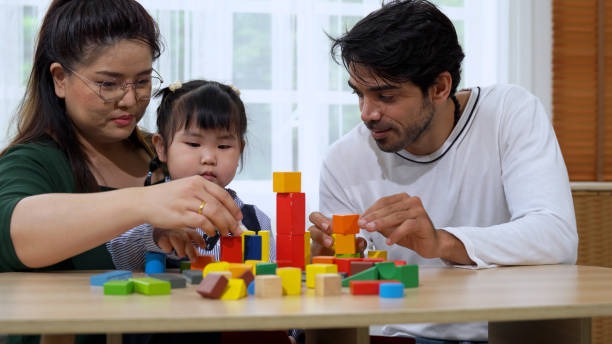
Navigating the world of education can be a journey filled with both challenges and triumphs, especially for students with autism.
Each child is unique, with their own set of strengths and areas for growth.
As parents, educators, and peers, we can play a pivotal role in helping these students thrive academically and socially.
By fostering an environment of understanding and support, we can empower them to reach their full potential.
Creating a nurturing environment begins with understanding the diverse ways in which students with autism engage with the world. Many of these students possess exceptional abilities in specific areas, whether that be mathematics, art, or technology. Recognizing and celebrating these talents can boost their confidence and encourage a love for learning. When we focus on what they excel at, we can cultivate a sense of belonging and purpose.
A small shift toward balance can make a significant difference in the classroom. It is essential to create a structured yet flexible learning environment that caters to individual needs. Routine can provide comfort, while occasional variations can stimulate creativity and adaptability. For instance, incorporating varied teaching methods can help maintain engagement. Using visual aids, hands-on activities, or technology can cater to different learning styles, making lessons more accessible and enjoyable.
Social interactions can often be a hurdle for students with autism. These interactions are vital for building friendships and developing essential life skills. Encouraging social connections within the classroom can be as simple as pairing students for group projects or facilitating activities that require teamwork. Creating a safe space for these interactions allows students to practice social skills in a supportive environment. Over time, these small steps can lead to meaningful relationships that extend beyond the school walls.
As we think about academic success, it’s crucial to consider the emotional well-being of students. Anxiety and stress can often accompany the pressures of school. Mindfulness and relaxation techniques can be beneficial tools. Simple practices like deep breathing or short breaks can help students regain focus and calm their minds. Encouraging a culture of open communication about feelings can also empower students to express themselves and seek help when needed.
In addition to emotional support, fostering a sense of community can be incredibly beneficial. Schools can host events that promote inclusivity and understanding, such as workshops or family nights that bring together students, parents, and educators. These events can provide opportunities for everyone to learn from one another and share experiences. When students see their peers and families actively participating in their education, it creates a stronger bond and a shared commitment to success.
Support extends beyond the classroom. Collaborating with parents and caregivers is vital in creating a consistent approach to learning and socialization. Regular communication can help everyone stay informed about what is working and what might need adjustment. Parents often have valuable insights into their child’s interests and challenges, and incorporating this knowledge can enhance the educational experience.
At times, it may be beneficial to seek additional resources. Many communities offer programs specifically designed to support students with autism. These can range from tutoring services to social skills groups. Exploring these options can provide students with extra tools to navigate both academic and social landscapes.
As we celebrate the unique qualities of students with autism, it’s essential to understand the power of advocacy. Encouraging students to express their needs and preferences fosters independence and self-awareness. This advocacy can take many forms, from participating in meetings with educators to sharing their experiences in a supportive environment. When students feel empowered to speak up for themselves, it can lead to more tailored educational approaches that suit their individual learning styles.
It’s also important to recognize the role of peers in this journey. Educating classmates about autism can foster empathy and understanding. Simple activities, like sharing stories or experiences, can break down barriers and build bridges between students. When peers learn to appreciate the differences that make each person unique, it creates a more inclusive atmosphere where everyone can flourish.
As we think about building success for students with autism, let’s remember that progress may not always look the same for everyone. Each small step forward is significant and should be celebrated. Whether it’s mastering a new concept in math, making a new friend, or simply feeling more comfortable in social situations, every achievement is a testament to resilience and growth.
Encouraging a mindset of patience and understanding can lead to remarkable outcomes. Students may face setbacks, but with the right support and encouragement, they will learn to navigate these challenges. The journey to academic and social success is often a winding path, but with love, guidance, and a commitment to fostering a nurturing environment, we can help students with autism shine brightly.
Ultimately, the goal is to create a world where students with autism feel valued and empowered. By focusing on their strengths, fostering social connections, and providing emotional support, we can help them build a solid foundation for academic achievement and meaningful relationships. As we embark on this journey together, let’s celebrate each step toward understanding and inclusivity, knowing that every effort makes a difference in the lives of these remarkable students.