Dyslexia is often perceived through a lens of challenges, but it can also be a gateway to unique strengths and talents.
Children with dyslexia experience the world differently, and with the right support and encouragement, they can thrive in their own extraordinary ways.
Nurturing their potential requires creativity, patience, and understanding from parents, educators, and caregivers.
Here, we explore some imaginative strategies to help children with dyslexia flourish.
A gentle introduction to creativity
One of the most effective ways to support a child with dyslexia is to foster an environment that celebrates creativity. Children often express themselves more freely through arts and crafts, music, and storytelling. Encouraging these outlets not only builds confidence but also allows them to communicate their thoughts and feelings in ways that might be more comfortable for them.
Consider integrating art projects into daily routines. For instance, if a child is struggling to read a story, invite them to illustrate it instead. This approach can help them engage with the material on a deeper level, allowing them to process the story visually and personally. Music, too, can be a powerful tool; songs can enhance memory and make learning more enjoyable.
A small shift toward balance
Creating a balanced approach to learning is crucial for children with dyslexia. This means recognizing their strengths while providing support for their challenges. It’s essential to focus on what they can do rather than what they struggle with. For instance, if a child excels in oral storytelling, encourage them to share their ideas verbally before writing them down. This method helps build their confidence and reduces the pressure often associated with traditional reading and writing tasks.
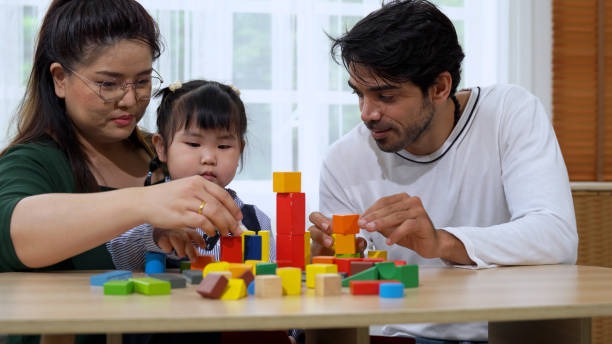
Incorporating multisensory learning can also make a significant difference. Engaging multiple senses can enhance understanding and retention. Activities such as using textured letters, engaging in hands-on spelling games, or incorporating movement into learning can create a more dynamic educational experience. These strategies help children connect with the material in a way that feels natural and enjoyable.
Creating a supportive environment
A nurturing home and school environment is vital for a child with dyslexia. Open communication is key. Parents and teachers should work together to create a plan that accommodates the child’s unique learning style. This collaboration fosters a sense of security and belonging, allowing the child to feel understood and supported.
Establishing a routine can also provide a sense of stability. Predictable schedules help children with dyslexia feel more secure and reduce anxiety. However, it’s important to remain flexible. If a child is struggling with a particular task, it’s perfectly okay to adjust expectations or try a different approach. This adaptability demonstrates to the child that it’s okay to face challenges and that their feelings are valid.
Emphasizing strengths
Encouraging children to explore their interests can lead to significant self-discovery. Many children with dyslexia possess remarkable problem-solving skills, creativity, and resilience. Highlighting these strengths can help them build confidence and a positive self-image.
For instance, if a child shows an interest in technology, introducing them to coding or digital storytelling can be a wonderful way to engage their mind. Similarly, if they enjoy sports, using athletic achievements to reinforce teamwork and perseverance can be very beneficial. The key is to connect their interests with learning opportunities, allowing them to excel in areas where they feel most comfortable.
Fostering a love for reading
While reading can be particularly challenging for children with dyslexia, fostering a love for books is still possible. Choosing the right materials can make a world of difference. Look for books with engaging illustrations, relatable themes, or even audiobooks that can be listened to alongside the printed text.
Reading together can also create a comforting experience. Make it a routine to snuggle up with a book, allowing the child to choose the story. This not only promotes bonding but also encourages a positive association with reading. Sharing stories aloud, discussing characters, and predicting plot developments can make the experience interactive and fun.
Celebrating small victories
Recognizing and celebrating small achievements is essential for building confidence. Whether it’s reading a paragraph without hesitation or completing a homework assignment, acknowledging these moments can motivate children to keep trying. Create a rewards system that is meaningful to the child, such as earning stickers for every book completed or a special outing for reaching a learning milestone.
It’s important to remember that success looks different for every child. Encouraging a growth mindset—where effort and perseverance are valued over perfection—can help children view challenges as opportunities for growth rather than obstacles. This perspective fosters resilience and a lifelong love for learning.
Connecting with community resources
Many communities offer resources and support systems specifically designed for children with dyslexia. Seeking out local organizations, workshops, or support groups can provide additional strategies and a sense of community for both children and their families. These connections can be invaluable, allowing families to share experiences, resources, and encouragement.
In addition, consider exploring online platforms that offer educational games and activities tailored for children with dyslexia. These resources often provide a fun and engaging way to practice skills while building confidence.
In closing, nurturing a child with dyslexia requires a blend of creativity, understanding, and support. By embracing their individuality and focusing on their strengths, we can help them thrive in a world that often overlooks their unique perspectives. With patience and encouragement, children with dyslexia can discover their potential, celebrate their successes, and embark on a journey of lifelong learning.