In an ever-evolving educational landscape, the importance of fostering confidence and creativity in the classroom has never been more pronounced.
As educators, parents, and mentors, we strive to create environments that not only impart knowledge but also nurture the individual spirit of each student.
This journey toward building confidence and creativity is not just about academic achievement; it’s about cultivating a sense of self-worth and imagination that will serve students well beyond the classroom walls.
Creating a safe space for self-expression is a fundamental step in this process. When students feel secure and valued, they are more likely to take risks in their learning. This is where the magic happens. Encouraging open dialogue and allowing students to share their thoughts, ideas, and even their mistakes fosters a culture of acceptance. It’s essential to remind them that every voice matters and that their unique perspectives contribute to the collective learning experience.
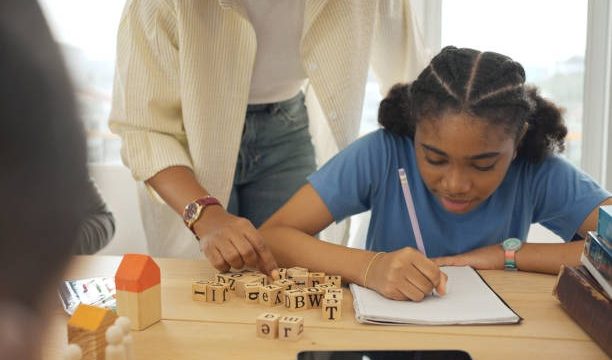
One effective way to promote confidence is through collaborative learning. Group projects, discussions, and peer reviews not only help students learn from one another but also build camaraderie. They learn to trust their peers and understand the value of teamwork. In these collaborative settings, students often discover strengths they didn’t know they had, which can be incredibly empowering. The joy of sharing ideas and working together can ignite a spark of creativity, leading to innovative solutions that one might not achieve alone.
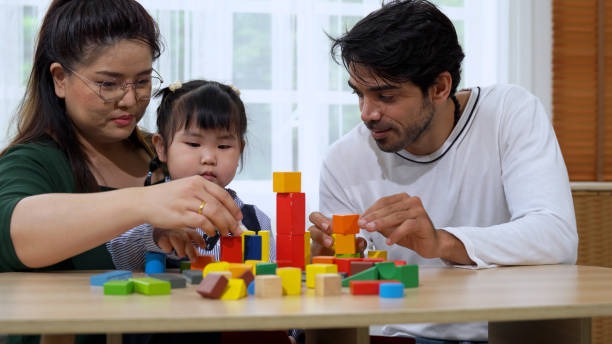
A gentle nudge toward creative thinking can be introduced through playful activities. Incorporating art, music, and creative writing into the curriculum allows students to explore different forms of expression. These activities can serve as a refreshing break from traditional learning methods and open doors to new ways of thinking. When students engage in creative tasks, they often find themselves thinking outside the box, leading to a newfound confidence in their ability to generate original ideas.
Another subtle yet powerful approach to building confidence is celebrating small victories. Recognizing individual achievements, no matter how minor they may seem, can have a profound effect on a student’s self-esteem. Whether it’s completing a challenging project, participating in class discussions, or simply expressing an opinion, acknowledgment of these moments encourages students to take pride in their efforts. When students feel appreciated, they are more likely to step out of their comfort zones and embrace new challenges.
Encouraging a growth mindset is also essential in nurturing creativity and confidence. Students should be reminded that intelligence and abilities are not fixed traits. By fostering an understanding that mistakes are part of the learning process, we help them view challenges as opportunities for growth. This perspective can shift the focus from fear of failure to a mindset that embraces experimentation and exploration. When students understand that it’s okay to stumble along the way, they are more likely to take creative risks and push their boundaries.
Incorporating mindfulness practices into the classroom can also support the development of confidence and creativity. Simple techniques such as deep breathing, meditation, or even quiet reflection can help students center themselves. When they take a moment to pause, it allows for clarity of thought and fosters an environment conducive to creativity. Mindfulness can create a sense of calm that encourages students to express themselves freely, without the weight of anxiety or self-doubt.
As we consider the role of technology in education, it’s vital to strike a balance that enhances creativity rather than stifles it. While digital tools can offer exciting opportunities for innovation, they can also lead to distractions. Encouraging students to use technology as a means of creative expression—be it through digital art, music production, or coding—can open up new avenues for exploration. However, it’s crucial to guide them in using these tools mindfully, ensuring they remain focused on the creative process rather than the end result.
Building a community within the classroom can also play a significant role in fostering confidence and creativity. When students feel they belong to a supportive group, they are more likely to share their ideas and take creative risks. Creating opportunities for students to connect—through class bonding activities, sharing circles, or collaborative projects—helps to build trust. This sense of belonging can be the foundation upon which confidence flourishes.
Finally, it’s essential to lead by example. Educators who demonstrate confidence and creativity in their teaching methods inspire students to do the same. When teachers share their passions and creative pursuits, it encourages students to explore their interests. By modeling a love for learning and a willingness to take risks, educators can instill in students the belief that they too can be bold and imaginative.
As we reflect on the importance of building confidence and creativity in the classroom, it becomes clear that these elements are not just beneficial for academic success; they are crucial for personal development. In a world that constantly challenges us to adapt and innovate, nurturing these qualities in students equips them with the tools they need to thrive. By creating a supportive environment, encouraging self-expression, and celebrating individuality, we can help shape a generation of confident and creative thinkers ready to embrace the future.
In this journey, let us remember that every small step taken toward fostering confidence and creativity is a step toward a brighter, more imaginative world. The classroom can be a sanctuary for growth, a place where students not only learn but also discover who they are and what they can achieve. As we continue to cultivate these values, we contribute to a legacy of empowerment that will resonate for years to come.