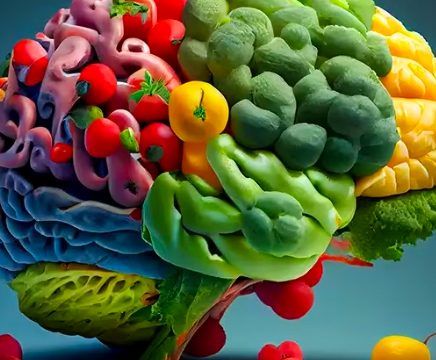
The foods we eat have a direct impact on how we feel, think, and perform throughout the day.
While it is easy to focus on productivity strategies such as planning or time management, nutrition often plays an equally important role in supporting focus, energy, and overall efficiency.
Understanding the connection between eating habits and daily performance can help you make choices that enhance your mental clarity and stamina, while still allowing meals to be enjoyable and stress-free.
One of the most noticeable ways eating habits influence productivity is through energy levels. Meals rich in balanced nutrients provide the fuel your body and brain need to function effectively. Consuming a combination of protein, complex carbohydrates, healthy fats, and fiber helps sustain energy over longer periods. For example, starting the day with a breakfast that includes eggs, whole grains, and fruit can prevent the mid-morning slump that often occurs after consuming sugary or highly processed foods. Balanced meals support consistent energy, making it easier to stay alert and focused on tasks.
The timing of meals also affects daily performance. Irregular eating patterns, such as skipping breakfast or delaying lunch, can lead to dips in energy and concentration. Your brain relies on a steady supply of glucose to maintain attention and cognitive function, so extended periods without food may reduce productivity. Establishing regular meal times creates a rhythm that your body can anticipate, helping to maintain consistent energy levels. Incorporating light, nutritious snacks between meals can also prevent fatigue and support sustained focus.
Hydration is another critical factor in productivity. Even mild dehydration can reduce cognitive function, impair concentration, and affect mood. Drinking adequate water throughout the day helps maintain alertness and keeps both body and brain functioning optimally. Simple strategies, such as keeping a water bottle at your desk or setting reminders to drink water, can ensure that hydration supports rather than hinders productivity. Infusing water with fruit or herbs can make it more enjoyable and help you maintain this important habit.
Food choices play a central role in mental clarity and focus. Diets high in processed foods, added sugars, or excessive caffeine can lead to fluctuations in energy and mood, which in turn affect performance. Choosing whole, nutrient-dense foods supports stable blood sugar levels and better concentration. Incorporating vegetables, fruits, lean proteins, nuts, seeds, and whole grains can provide the vitamins and minerals that the brain needs to operate efficiently. Over time, these choices contribute to sustained productivity and overall well-being.
Breakfast, often called the most important meal of the day, can significantly influence morning productivity. Eating a balanced breakfast helps kickstart metabolism and provides the energy necessary for mental tasks. Simple options, such as oatmeal with fruit and nuts, Greek yogurt with seeds, or a smoothie with protein and vegetables, offer both fuel and essential nutrients. Skipping breakfast may lead to slower thinking, decreased alertness, and a higher likelihood of reaching for quick, less nutritious options later in the morning.
Meal composition matters just as much as timing. Meals high in simple carbohydrates, like white bread or sugary snacks, can lead to rapid spikes in blood sugar followed by crashes in energy. These fluctuations may reduce focus, impair decision-making, and increase fatigue. In contrast, combining complex carbohydrates with protein and healthy fats provides a slower, more consistent energy release, which helps maintain steady attention and performance throughout the day. This approach also reduces the urge to snack impulsively on less nutritious foods.
Beyond energy and focus, eating habits can influence mood, which indirectly affects productivity. A diet lacking in essential nutrients such as omega-3 fatty acids, B vitamins, and magnesium may contribute to irritability, low motivation, or stress. Including foods rich in these nutrients, such as fatty fish, leafy greens, nuts, and whole grains, supports both emotional well-being and cognitive performance. Positive mood and emotional stability enhance the ability to concentrate, problem-solve, and interact effectively with others.
Mindful eating practices can further support daily productivity. Eating with attention and without distractions allows you to recognize hunger and fullness cues, digest food more efficiently, and enjoy meals fully. This practice can prevent overeating, which often leads to sluggishness, and helps create a better relationship with food. Taking short breaks for meals, focusing on the flavors and textures of food, and eating at a relaxed pace contribute to both physical comfort and mental clarity, ultimately supporting your productivity.
Meal prep and planning can also influence performance by reducing decision fatigue. When meals are thoughtfully prepared in advance, you spend less mental energy figuring out what to eat, leaving more focus for work or personal tasks. Preparing balanced lunches, portioning snacks, and organizing simple breakfasts ensures that nutritious options are readily available, making it easier to maintain energy and concentration throughout the day. A small investment of time in planning can have a significant payoff in efficiency and focus.
Even social and environmental factors around eating can impact productivity. Eating in a calm, organized space, free from excessive distractions, supports digestion and mindfulness. Sharing meals with colleagues or family can encourage balanced choices and provide social interaction that enhances overall mood. Conversely, eating at a cluttered desk while multitasking may reduce enjoyment, digestion efficiency, and even cognitive performance. Structuring meal times as intentional breaks can recharge both body and mind.
Finally, consistency over time is key to reaping the productivity benefits of good nutrition. One well-balanced meal or a single healthy snack is helpful, but regular, thoughtful eating habits create lasting impact. Establishing patterns that prioritize nutrient-rich foods, hydration, and mindful eating reinforces stable energy, mood, and cognitive function. Over weeks and months, these small, repeated habits compound, leading to more sustained focus, efficiency, and overall daily performance.
In conclusion, eating habits play a fundamental role in how effectively we navigate our days. Balanced nutrition, regular meal timing, hydration, mindful eating, and thoughtful meal planning all contribute to higher energy levels, sharper focus, and more stable moods. By paying attention to what, when, and how we eat, we can enhance both physical and mental performance. Simple, consistent choices create a positive feedback loop, where good nutrition supports productivity and better productivity encourages continued attention to healthy eating habits. Treating meals as a supportive part of your daily routine, rather than an afterthought, helps you approach each day with clarity, energy, and a sense of balance.