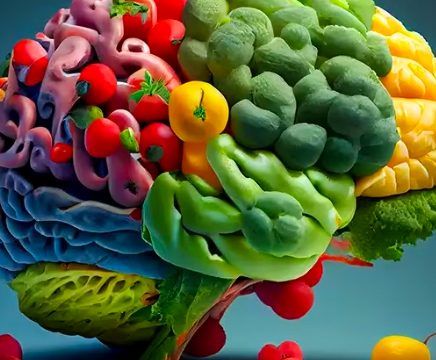
Eating is an everyday activity that shapes not only our health but also our energy, mood, and overall well-being.
While it can be tempting to chase strict diets or quick fixes, the most sustainable approach is to gradually move toward more nourishing choices that support your body and lifestyle.
This does not mean giving up enjoyment or feeling restricted. Instead, it is about fostering awareness, exploring new options, and creating habits that naturally encourage wellness.
The first step toward making more nourishing choices is understanding your personal needs. Every person’s body is unique, and what works for one individual may not be ideal for another. Pay attention to how different foods make you feel. Notice the meals that leave you energized, satisfied, and focused, and observe the ones that might make you feel sluggish, bloated, or distracted. This process of self-observation is not about judgment but about learning what works best for your body. By recognizing patterns, you can start choosing foods that naturally support your energy and mood throughout the day.
Mindful eating is a powerful tool for moving toward nourishing choices. Taking time to fully experience each meal—tasting, smelling, and appreciating your food—encourages a deeper connection to what you are eating. Slowing down helps you notice when you feel satisfied, preventing overeating and increasing enjoyment. Mindful eating also allows you to identify the foods that truly make you feel good, making it easier to select meals that nourish your body and mind. This practice does not require perfection; even small efforts to slow down and engage with your meals can create meaningful change.
Another way to encourage more nourishing choices is by gradually introducing variety into your meals. A diet rich in different fruits, vegetables, whole grains, proteins, and healthy fats provides essential nutrients that support your overall health. Experimenting with new ingredients or cooking methods can make meals more exciting and satisfying. Trying a colorful salad, a new vegetable stir-fry, or a whole grain recipe adds both nutrients and enjoyment to your eating routine. Over time, these small changes accumulate, creating a naturally more nourishing diet without feeling like a chore.
Planning meals with intention can also make it easier to make nourishing choices. When you prepare meals ahead of time or decide on ingredients thoughtfully, you reduce the likelihood of impulsive decisions that may not support your well-being. This does not require strict schedules or rigid rules; even simple steps, such as keeping healthy snacks on hand or having ingredients ready for balanced meals, can make a significant difference. Planning in this way allows you to make choices that reflect both your nutritional needs and your personal preferences.
Portion awareness is another helpful practice. Paying attention to the amount of food you serve yourself and recognizing when you feel satisfied allows you to enjoy meals fully while avoiding overconsumption. Using intuitive measures, such as noticing how your body feels before and during a meal, can guide your choices. This approach encourages a more natural relationship with food, rather than relying on external rules or restrictions. Over time, listening to your body becomes a habit that supports better nutrition effortlessly.
Hydration is an often-overlooked part of making nourishing choices. Drinking water regularly throughout the day helps maintain energy and can prevent confusing thirst with hunger. Choosing water, herbal teas, or naturally flavored beverages over sugary drinks can subtly support better food decisions and improve overall well-being. Staying hydrated also promotes digestion, helps regulate appetite, and allows you to feel more in tune with your body’s needs.
Understanding emotional triggers is an important part of developing a nourishing approach to food. Many people eat in response to stress, boredom, or emotions rather than genuine hunger. By recognizing these triggers, you can create strategies to respond to them in ways that do not rely solely on food. Taking a short walk, practicing deep breathing, or engaging in a creative activity can help you manage emotions while supporting mindful eating. This awareness allows you to approach meals with intention, making choices that are both satisfying and nourishing.
Creating a positive eating environment can further encourage nourishing choices. Eating in a calm, pleasant setting without distractions allows you to focus on your food and enjoy the experience fully. Sitting at a table, turning off electronic devices, and appreciating your meal helps you develop a stronger connection with what you are eating. A thoughtful eating environment reinforces mindfulness and makes meals more enjoyable, increasing the likelihood of selecting foods that are good for your body.
Variety and balance should also be at the core of nourishing choices. Including a range of nutrients ensures that your body receives the energy it needs for optimal function. Balanced meals that combine protein, complex carbohydrates, healthy fats, and vegetables can provide steady energy, improve focus, and help maintain mood throughout the day. Over time, creating meals with balance and variety becomes second nature, making it easier to maintain a sustainable, healthy eating pattern.
Flexibility and self-compassion are essential when moving toward more nourishing choices. Eating habits develop over a lifetime, and it is normal to encounter setbacks or indulge occasionally. Being kind to yourself and allowing room for occasional treats prevents guilt and promotes a healthier relationship with food. Nourishing your body is not about perfection; it is about progress and cultivating habits that feel sustainable, enjoyable, and aligned with your needs.
Social connection can also play a role in encouraging nourishing choices. Sharing meals with friends, family, or community can create opportunities for exploration, learning, and enjoyment. Conversations around the table can introduce new foods, provide inspiration for recipes, and reinforce positive eating habits. Meals are not just about nutrition; they are about connection, enjoyment, and the experience of nourishing both body and mind.
Ultimately, moving toward more nourishing choices is a journey rather than a destination. It involves tuning in to your body, observing patterns, experimenting with foods, and cultivating mindfulness. Each small, intentional decision contributes to a larger shift in habits, helping you create a more positive and sustainable approach to eating. The goal is not restriction or perfection but a thoughtful, balanced, and enjoyable way to support your overall well-being.
Developing a nourishing approach to eating has far-reaching benefits. It can increase energy, improve mood, and foster a stronger sense of connection with your body. By making gradual adjustments and practicing awareness, you can transform mealtime into a source of satisfaction, health, and enjoyment. Over time, these small steps lead to lasting habits that support both physical and emotional well-being.
Incorporating more nourishing choices into daily life is a gradual process, and every effort counts. Celebrating progress, experimenting with new foods, and approaching meals with curiosity rather than judgment can make the journey rewarding. Each meal becomes an opportunity to nourish your body, enjoy flavors, and feel confident in your choices. The cumulative effect of consistent, mindful decisions ultimately leads to a more balanced and fulfilling relationship with food.
By focusing on awareness, variety, balance, and enjoyment, anyone can move toward more nourishing choices in a way that feels natural and sustainable. This approach encourages a positive relationship with food, one that supports long-term health, energy, and satisfaction. With patience, practice, and self-compassion, meals can become a source of nourishment, pleasure, and connection, enriching both your physical health and overall quality of life.