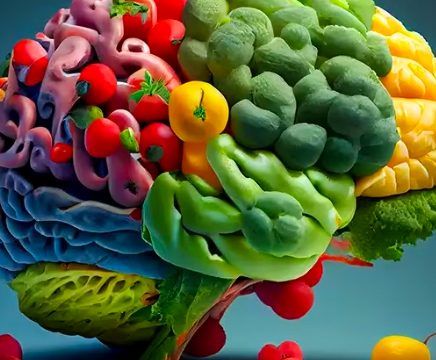
When it comes to maintaining good health, the choices we make around food play a surprisingly large role.
While complex diets and strict plans can feel overwhelming, the truth is that even simple, thoughtful decisions can make a noticeable difference in how we feel day to day.
Supporting your health does not necessarily require a dramatic overhaul of your eating habits; it can start with small, intentional steps that become part of your routine.
One of the most effective ways to enhance your well-being is by paying attention to the variety in your meals. Different foods provide different nutrients, and including a wide range ensures that your body receives the vitamins and minerals it needs. For instance, colorful fruits and vegetables are rich in antioxidants, which help protect cells from damage. Lean proteins such as fish, poultry, and legumes provide essential amino acids that support muscle health and energy levels. Whole grains contribute fiber, which is crucial for digestion and can help maintain stable blood sugar levels. By simply aiming for variety, you create a foundation for balanced nutrition without feeling restricted or bored.
Hydration is another simple decision that has a major impact on health. Water supports nearly every bodily function, from circulation to temperature regulation. While it may be tempting to rely on sugary drinks or caffeine for quick energy, choosing water or herbal teas more often helps keep your body functioning optimally. Keeping a water bottle within reach throughout the day can make this choice effortless. Even mild dehydration can affect energy, focus, and mood, so prioritizing fluids is an easy yet powerful way to support overall well-being.
Mindful eating is a habit that amplifies the benefits of nutritious choices. Rather than eating quickly or while distracted, taking the time to focus on your meals can improve digestion and satisfaction. This practice encourages you to notice hunger and fullness cues, reducing the likelihood of overeating. Mindful eating also allows you to appreciate the flavors and textures of your food, making meals more enjoyable. Incorporating this approach does not require special tools or training, only a conscious effort to slow down and be present with what you are consuming.
Another simple yet impactful decision is to plan meals ahead of time. Preparing ingredients or entire meals in advance helps prevent impulsive choices that are often less nutritious. Meal planning can be as basic as deciding what to cook for the week or setting aside time to chop vegetables and store them for easy access. When healthy foods are convenient and ready to eat, it becomes easier to make choices that support your goals. Planning does not have to be rigid; even small efforts in preparation can make a difference in maintaining a balanced diet.
Portion awareness is closely related to meal planning. Understanding how much of each type of food is appropriate for your needs can prevent both overeating and nutrient deficiencies. A helpful approach is to visualize a balanced plate, with half consisting of vegetables and fruits, a quarter of lean protein, and a quarter of whole grains. This simple framework allows flexibility in food choices while keeping nutritional balance in mind. Over time, practicing portion awareness becomes a natural habit that promotes sustainable health benefits.
Limiting highly processed foods is another way to support your health through simple decisions. These foods often contain excess sugar, unhealthy fats, and additives that can negatively impact energy levels and overall well-being. Choosing whole, minimally processed options—such as fresh produce, nuts, seeds, and whole grains—provides essential nutrients without unnecessary extras. Making this switch does not require perfection; gradually increasing the proportion of whole foods in your diet is more effective and sustainable than attempting drastic changes overnight.
Incorporating regular, enjoyable movement into your routine complements healthy eating choices. While exercise is not directly a food decision, it interacts closely with nutrition to support overall health. Activities such as walking, cycling, or even stretching at home help maintain muscle mass, support cardiovascular health, and improve mood. When paired with mindful food choices, movement enhances energy levels and contributes to a sense of vitality. The key is to find physical activities you enjoy so that consistency becomes natural rather than forced.
Listening to your body and adjusting your food choices accordingly is a crucial component of supporting health. Some people may notice that certain foods boost energy while others leave them feeling sluggish. Paying attention to these responses allows you to fine-tune your diet to meet your individual needs. Simple changes, such as choosing complex carbohydrates for sustained energy or adding more leafy greens to your meals, can have a noticeable impact on how you feel throughout the day. Personal awareness is a tool that empowers you to make decisions that work best for your unique body.
Finally, fostering a positive relationship with food supports both physical and mental health. Viewing meals as an opportunity to nourish your body rather than as a source of guilt encourages consistency and enjoyment. Celebrating small victories, such as choosing an extra serving of vegetables or drinking water instead of soda, reinforces healthy habits. A positive mindset makes it easier to maintain beneficial routines and reduces the stress often associated with dieting or restrictive eating.
Supporting your health with simple food decisions is not about perfection or extreme measures. It is about cultivating awareness, variety, and balance in a way that fits naturally into your life. Small choices—like drinking more water, adding colorful vegetables, planning meals, and being mindful while eating—accumulate over time, leading to meaningful improvements in energy, mood, and overall well-being. By focusing on manageable steps and listening to your body, you can create a sustainable approach to nutrition that promotes both enjoyment and health. Each thoughtful decision reinforces the idea that caring for yourself can be simple, enjoyable, and deeply rewarding. Over time, these habits become part of your lifestyle, supporting long-term health without requiring complicated plans or strict rules.
Through awareness, preparation, and a positive approach, food can become a source of strength rather than stress. By embracing small, consistent choices, you empower yourself to feel your best while enjoying the pleasures of eating. Supporting your health does not need to be complicated; it begins with the simple decisions you make every day.