In today’s fast-paced world, education is evolving.
Traditional classrooms are being complemented by new approaches that cater to the diverse needs of learners.
Whether you’re a student navigating the complexities of higher education or a parent seeking the best for your child, understanding the academic solutions available today can pave the way for a brighter future.
The landscape of learning has shifted significantly, responding to the changing demands of society and the unique challenges faced by students. This transformation is not merely about technology but also about a deeper understanding of how individuals learn and thrive. As we explore these academic solutions, we begin to see a tapestry woven from innovation, flexibility, and a commitment to understanding each learner’s journey.
Creating a personalized experience
One of the most significant shifts in education is the move toward personalized learning experiences. Gone are the days of a one-size-fits-all approach. Today’s learners thrive when they can engage with material that resonates with their interests and learning styles. This personalization can take many forms, from adaptive learning technologies that tailor content to individual progress to project-based learning that allows students to explore their passions deeply.
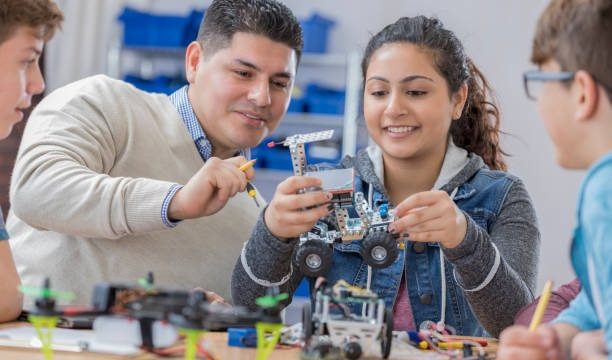
For instance, some students may excel in visual learning, while others might prefer hands-on experiences. By providing a variety of learning modalities, educators can help students discover their strengths and preferences, ultimately fostering a more profound love for learning. This approach not only enhances academic performance but also nurtures a sense of self-awareness and confidence in young learners.
Cultivating a sense of community
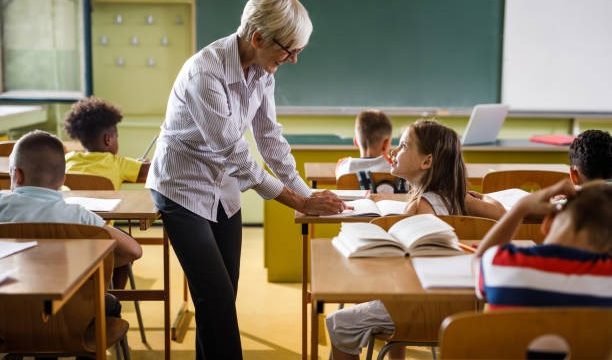
Another vital aspect of contemporary education is the emphasis on community. In a world that often feels disconnected, creating a supportive learning environment is more crucial than ever. Schools and educational programs are increasingly recognizing the importance of fostering relationships among students, teachers, and families.
This sense of community can manifest in various ways, such as collaborative projects, mentorship programs, and peer support groups. When students feel connected to their peers and educators, they are more likely to engage deeply with their studies. This connection also helps to create a safe space for students to express themselves, ask questions, and seek help when needed.
Beyond the classroom walls, online communities and forums have become essential resources for learners. These platforms provide spaces for students to share ideas, ask for advice, and collaborate on projects, breaking down geographical barriers and broadening their horizons.
Embracing technology mindfully
Technology plays a pivotal role in modern education, offering tools that can enhance learning experiences. From interactive learning apps to virtual reality simulations, the digital landscape is rich with resources that can engage students and make learning more dynamic. However, it’s essential to approach this integration with mindfulness.
While technology can be a powerful ally, it’s crucial to strike a balance. Encouraging students to unplug and engage in face-to-face interactions can help them cultivate essential social skills and emotional intelligence. Educators and parents can guide students in using technology as a tool for enhancement rather than a distraction, ensuring that it complements traditional learning rather than replacing it.
Fostering resilience and adaptability
In a world that is constantly changing, the ability to adapt is paramount. Today’s academic solutions are increasingly focused on building resilience in learners. This involves teaching students not just to absorb information but to think critically and approach challenges with a growth mindset.
Educational programs that emphasize problem-solving and critical thinking allow students to tackle real-world issues and develop the skills they need to navigate life beyond school. By facing challenges in a supportive environment, students learn that setbacks are a natural part of the learning process. This shift in perspective can lead to greater perseverance and a lifelong love of learning.
A focus on well-being
As educational philosophies evolve, there’s an increasing recognition of the importance of mental health and well-being in learning. Academic success is not solely measured by grades but by the overall development of the individual. Schools are beginning to implement programs that prioritize emotional well-being, mindfulness, and stress management.
By incorporating practices such as mindfulness meditation, social-emotional learning, and wellness programs, educators are creating environments where students can thrive both academically and personally. This holistic approach acknowledges that a healthy mind is essential for effective learning and that nurturing emotional intelligence is just as important as intellectual growth.
A commitment to lifelong learning
Ultimately, the most effective academic solutions empower students to become lifelong learners. Education is not merely a phase of life; it is a continuous journey. By instilling a love for learning and a curiosity about the world, educators can inspire students to seek knowledge beyond the classroom.
This commitment to lifelong learning can take many forms, from encouraging participation in extracurricular activities to fostering a culture of inquiry and exploration. When students are encouraged to pursue their interests and passions, they develop a sense of agency and purpose that transcends traditional academic boundaries.
As we navigate the evolving landscape of education, it’s clear that today’s learners require solutions that are flexible, inclusive, and focused on their holistic development. By embracing personalized learning, fostering community connections, and prioritizing well-being, we can create an environment where every student has the opportunity to thrive.
In this journey, it’s essential to remember that education is not just about acquiring knowledge; it’s about nurturing individuals who are prepared to face the world with confidence, curiosity, and resilience. The academic solutions of today are not merely tools for success; they are pathways to a fulfilling and enriching life, empowering learners to embrace their unique journeys.